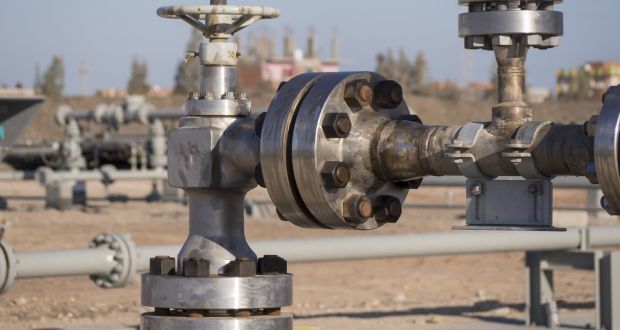
Morocco is stepping up efforts to secure the substantial funding required for the Atlantic African Gas Pipeline (GAA), a landmark project developed in collaboration with Nigeria. The initiative aims to connect gas reserves across West Africa to international markets through a 5,660-kilometer pipeline stretching from Nigeria to Morocco, ultimately reaching Europe. To achieve this ambitious vision, Rabat is actively pursuing financial backing from the United States Export-Import Bank and the World Bank, seeking a total of $26 billion in investments.
Key partners in financing the trans-african energy corridor
The Moroccan government has entrusted its ambassador to the United States, Youssef Amrani, with the mission of negotiating terms with the US Exim Bank and the World Bank. These institutions are being approached to provide critical loans and guarantees that would cover a significant portion of the project’s total estimated cost. The pipeline is expected to enhance energy security across the region while creating thousands of jobs and boosting economic growth.
Economic and strategic benefits of the gas pipeline
The Atlantic African Gas Pipeline is more than just an infrastructure project; it represents a strategic move to diversify energy sources and reduce reliance on external suppliers. By linking Nigeria’s vast gas reserves to Morocco and beyond, the pipeline would enable the export of liquefied natural gas (LNG) to Europe, strengthening energy ties between Africa and the continent’s northern neighbors. Additionally, the project is anticipated to stimulate local industries, improve access to electricity in remote areas, and foster regional cooperation.
Challenges and next steps
While the potential benefits are substantial, the project faces significant financial and logistical hurdles. Securing $26 billion in funding is no small feat, particularly given the current global economic climate. Rabat must also navigate complex geopolitical dynamics, regulatory frameworks, and environmental considerations. However, with strong political will and international support, the pipeline could become a cornerstone of West Africa’s energy future.
The Moroccan government remains optimistic, emphasizing that the pipeline aligns with broader goals of sustainable development and energy transition in the region. As negotiations with funding partners progress, stakeholders are hopeful that the project will unlock new opportunities for economic integration and prosperity across West Africa.