Three years have passed since Niger entered a cycle of political upheaval, economic strain, and heightened security risks following the military takeover in July 2023. Initially hailed as a historic opportunity to reclaim national sovereignty, the coup was also expected to restore stability, revive the economy, and strengthen national unity. Yet, as the anniversary of the transition approaches, the gap between these ambitions and reality has only widened, leaving Nigeriens grappling with deepening hardships.
Economic strain and rising hardship for Nigeriens
The fallout from recent political shifts has cast a long shadow over Niger’s economic landscape. Disruptions in trade with neighboring countries, supply chain breakdowns, early sanctions, and a sharp decline in foreign investment have crippled businesses across the nation. Factories have scaled back operations, small enterprises have shuttered, and job opportunities have dwindled, pushing unemployment higher.
Across markets and households, the burden of rising costs is unrelenting. Prices for essential goods—from food staples to fuel and household items—have surged, eroding purchasing power month after month. Many families now face increasingly difficult choices between putting food on the table and covering other basic needs. Local governments, traders, and farmers also struggle with restricted access to financing, limited credit availability, and an atmosphere of deep uncertainty that stifles private initiative and investment.
Public freedoms under pressure
The narrowing civic space has become a defining concern. Human rights organizations warn of a growing climate of fear, where criticism of authorities can lead to legal repercussions or detention. Independent journalists operate in a climate of heightened caution, with reports of intimidation and professional restrictions on the rise. Public gatherings and political demonstrations face stringent controls, severely limiting the ability of opposition groups and civil society to voice concerns.
Faced with these constraints, some citizens choose silence as a form of self-preservation, while others seek refuge beyond Niger’s borders, seeking safety and opportunity elsewhere.
Security challenges persist despite military promises
The military leadership framed the coup as a necessary step to curb terrorism and restore safety. Yet, despite reorganizing security structures and forging new regional alliances, armed groups continue to carry out attacks across several regions of the country. Communities along the borders are especially vulnerable, facing recurring violence, forced displacement, and disrupted access to essential services like healthcare, education, and markets.
These persistent threats underscore growing doubts about the effectiveness of the current security strategy and its ability to protect civilians in the long term.
A leadership tone that resonates less
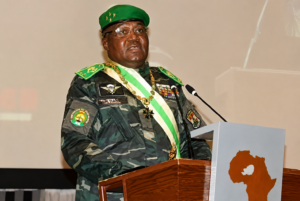
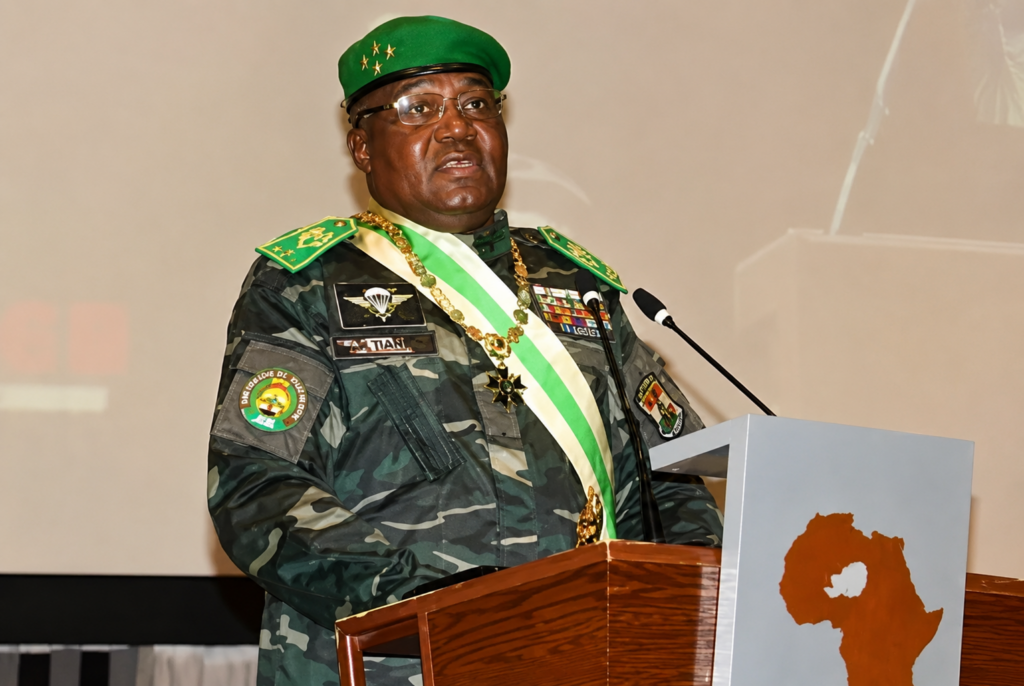
The recent national address by General Abdourahamane Tiani reflected a familiar pattern: rather than unveiling concrete measures to ease economic or security pressures, the focus remained on highlighting external threats and blaming foreign actors. To many observers, this approach signals an inability to deliver on the core pledges that once justified the regime change.
As challenges mount, public confidence is shifting from assigning blame to demanding tangible solutions.
A political landscape increasingly closed off
The prolonged military rule has coincided with a tightening grip on political life. Without a clear timeline for a return to civilian governance, questions about Niger’s institutional future grow louder. Political parties operate under severe constraints, and public debate remains stifled. This centralization of power fuels concerns that democratic oversight and citizen participation may be eroded for the foreseeable future.
Three years on: a moment of reckoning
Three years after the transition began, the distance between the promises made and the lived reality for most Nigeriens has never been clearer. The economy remains fragile, the cost of living continues to climb, civic freedoms are under strain, and insecurity lingers in many regions.
For countless citizens, the urgent priority is no longer political rhetoric—it is restoring stability, securing their families, and rebuilding livelihoods that offer a path forward. In the absence of visible progress, calls for accountability, meaningful dialogue, and solutions that address daily struggles grow ever stronger.