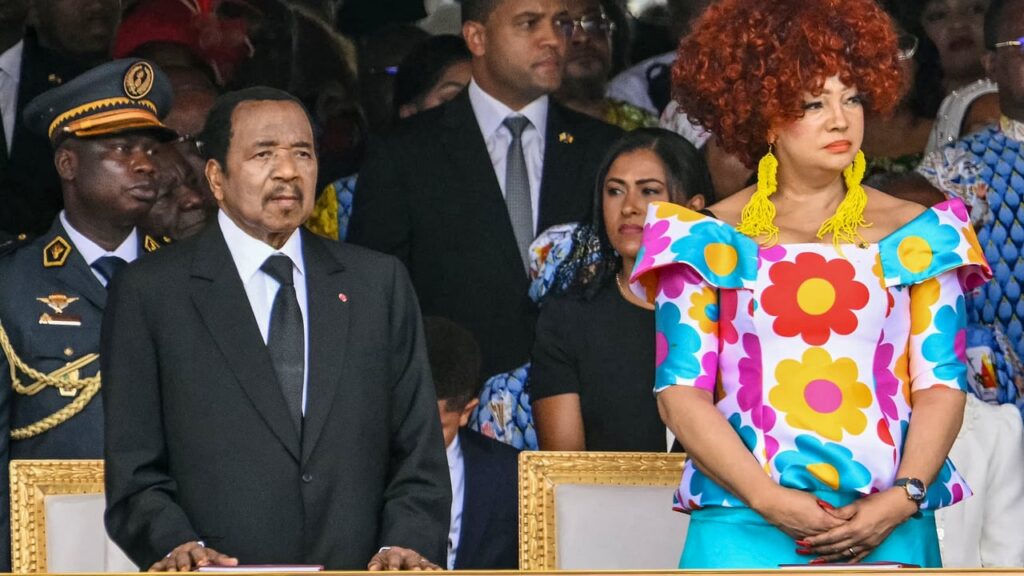

Cameroon’s long-serving President Paul Biya has just concluded an unusually extended stay in Switzerland, reigniting discussions about his leadership and the enduring questions surrounding his presidency. The trip, which surpassed previous official visits in duration, has become a focal point for both supporters and critics.
The prolonged absence of Africa’s second oldest leader has fueled speculation about the state of his health and the future of governance in Yaoundé. While state media emphasized the president’s diplomatic engagements and restorative retreat, observers note that the timing and length of his stay raise eyebrows in political circles.
Close associates insist the journey was primarily for medical checks and privacy, yet the lack of transparency has done little to silence the murmurs. Chantal Biya, the First Lady, accompanied him, reinforcing the impression of a private retreat rather than a routine state visit.
Unprecedented duration raises questions
The latest Swiss sojourn lasted several weeks—far longer than any prior private or official trip. This extended absence comes at a time when Cameroon faces pressing challenges, including economic pressures, security concerns, and calls for political renewal.
Franck Biya, the president’s son, has been seen stepping into public roles during this period, a move some interpret as a subtle signal of continuity. Yet, with no official statement on the president’s health or planned return, the vacuum only deepens unease among citizens and international partners alike.
Governance in the shadows
Critics argue that the opacity surrounding the president’s extended stay underscores a broader pattern of governance that prioritizes secrecy over accountability. In a nation where power has remained concentrated for decades, such prolonged absences without clear communication only amplify existing doubts.
Meanwhile, government spokespersons maintain that the president is actively monitoring national affairs from afar. However, the absence of visible leadership during critical moments has left many questioning the effectiveness of a system built around one figure’s prolonged tenure.
As rumors persist, so does the uncertainty about Cameroon’s political trajectory. Whether this Swiss retreat marks a turning point or merely another chapter in an extended presidency remains to be seen—but the questions are far from settled.