
Screenshot
politics
Urgent call for Cameroon’s Superior Council of the Judiciary to convene
The political editorial aired this Monday, June 8, 2026, on the airwaves of Radio Tiémeni Siantou (90.5 FM in Yaoundé and Bafang) highlights a pressing national issue.
Justice crisis in Cameroon: why the Superior Council of the Judiciary must meet urgently
In his latest political editorial, journalist Éric Boniface Tchouakeu emphasizes the critical need for the Superior Council of the Judiciary to convene without further delay. This call comes in the wake of recent presidential decrees appointing new members to the council, which has remained inactive since August 2020—nearly six years.
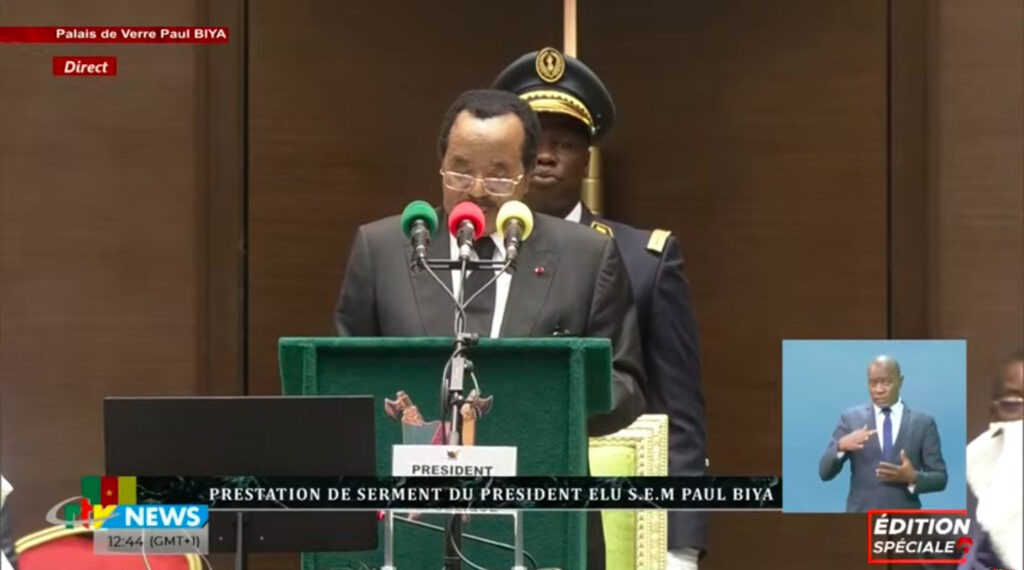
President Paul Biya signed a decree on June 2, 2025, renewing ten out of fourteen members whose terms had expired a year earlier. These new appointments grant them five-year mandates. However, the council has not convened since August 2020, leaving a void in the judicial system.
Me Félix Nkongo Agbor Balla, a prominent human rights lawyer, warns of severe institutional failures with far-reaching consequences for the rule of law, judicial independence, and public trust in the justice system.
The Superior Council of the Judiciary holds constitutional responsibility for managing judicial careers, enforcing discipline, overseeing ethical standards, and regulating magistrate appointments. According to Me Agbor Balla, its prolonged inactivity has crippled these essential functions, significantly weakening the judiciary.
« The absence of the council has created unprecedented challenges,» he explains. « Magistrates graduating from the National School of Administration and Magistracy (ENAM) over the past six years have not been formally integrated into the judicial system. As a result, they cannot take the oath of office or exercise their judicial functions. This has left courts across the country critically understaffed.»
« Cameroon now faces a severe shortage of magistrates,» Me Agbor Balla continues. « This has led to court backlogs, excessive case delays, prolonged detentions, and widespread inefficiencies in justice administration.»
« The prolonged absence of the council has also deprived citizens of timely access to justice,» he adds. « Many judicial positions remain vacant due to retirements, deaths, or resignations, forcing questionable appointments in administrative courts where judges have been assigned without the council’s mandatory approval.»
« Beyond integrations, disciplinary procedures are stalled, promotions are frozen, and professional misconduct cannot be addressed,» he notes. « Honest magistrates are discouraged, while corruption thrives in the absence of oversight.»
Me Agbor Balla’s analysis underscores the urgency of convening the council. The legal framework mandates it to meet twice a year—an obligation that must be upheld to restore judicial functionality and public confidence.
Be the first to comment






Comments