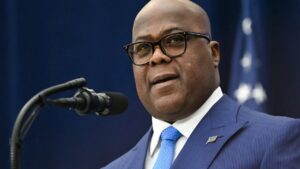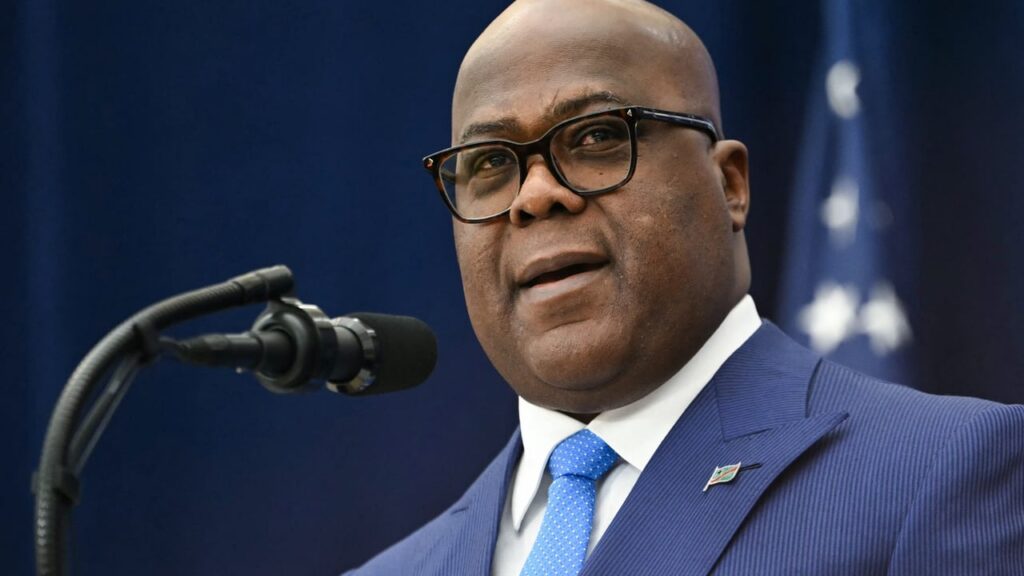
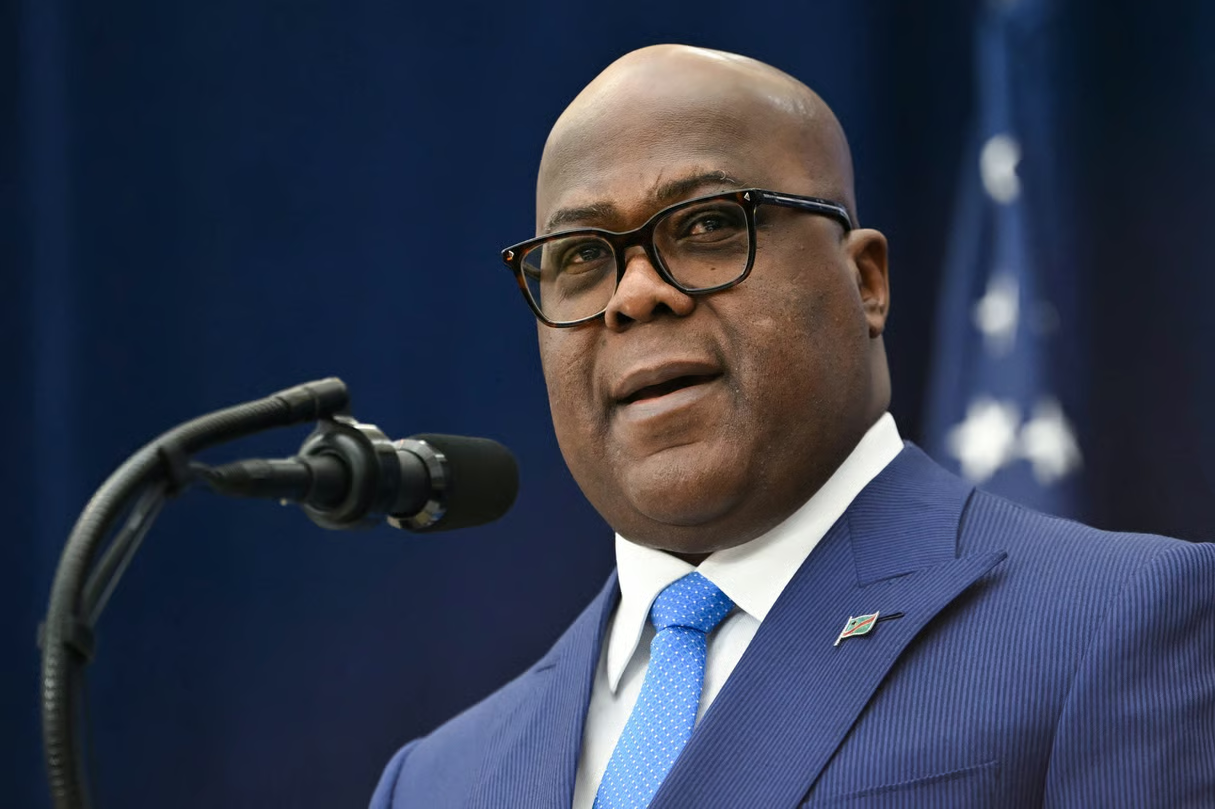
The Democratic Republic of the Congo’s Constitutional Court has given the green light to legislation that paves the way for President Félix Tshisekedi to seek a third term in office. The decision, delivered in Kinshasa, removes the final legal obstacle for the head of state’s potential bid in the upcoming election cycle.
The ruling follows months of intense political discussions and legal challenges regarding the interpretation of the country’s constitutional term limits. Critics argue that the new legislation contradicts the spirit of the 2015 constitutional reforms, which were designed to prevent leaders from serving more than two consecutive terms. Supporters of the president, however, contend that the changes align with the letter of the law and do not violate existing provisions.
What the constitutional amendment entails
The approved law modifies key articles of the Congolese Constitution, particularly those related to presidential term limits. Under the revised framework, the counting of presidential terms would reset, allowing President Tshisekedi to run again despite having already served two consecutive terms. The amendment also introduces new clauses that could reshape the electoral landscape in the country.
Legal experts are divided on the implications of the decision. Some view it as a necessary adaptation to the country’s evolving political realities, while others see it as a dangerous precedent that could undermine democratic norms. The opposition has vowed to challenge the ruling, arguing that it violates the constitutional principles that guarantee a peaceful transfer of power.
Reactions from political circles
The announcement has sparked a wave of reactions across the political spectrum. Government officials have hailed the decision as a victory for democracy and stability, emphasizing the need for continuity in leadership. President Tshisekedi has not yet publicly commented on the ruling, but his party has signaled its readiness to support his potential candidacy.
Opposition leaders, on the other hand, have condemned the move as an unconstitutional power grab. They argue that the decision sets a troubling precedent for future elections and could destabilize the country. Civil society groups have also expressed concerns, calling for transparency and adherence to the rule of law.
What happens next?
The next steps remain uncertain as the country braces for a potentially contentious electoral process. The Independent National Electoral Commission (CENI) is expected to finalize the electoral calendar in the coming weeks, with the presidential election slated for late 2026. Political analysts warn that the legal and political fallout from the court’s decision could overshadow the campaign period.
As the debate intensifies, all eyes are on Félix Tshisekedi and his next moves. The coming months will be critical in determining whether the country can navigate this constitutional crossroads without deepening its political divisions.