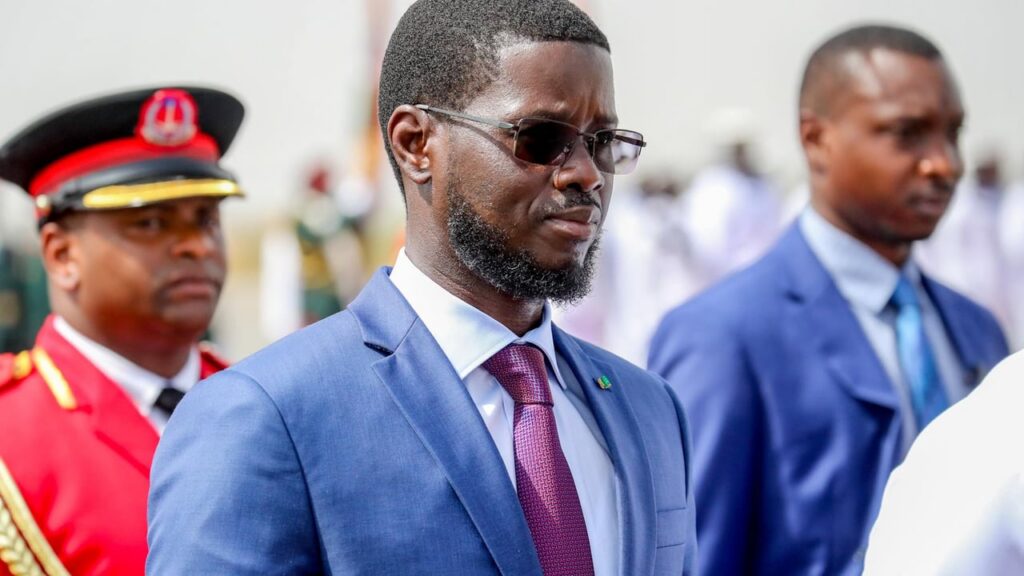

As Senegal’s political landscape shifts under President Bassirou Diomaye Faye, a critical question arises: can he push forward legislative reforms without the backing of his own party, Pastef? The interplay between executive power and legislative support has never been more scrutinized.
Legislative gridlock looms without party cohesion
Since assuming office, President Faye has championed bold economic and governance reforms. Yet, Pastef, the party that propelled him to victory, now finds itself divided over key policy directions. Internal disagreements over the hidden debt scandal and fiscal transparency have weakened the party’s unity, leaving the President in a precarious position.
Key challenges ahead
The President’s agenda hinges on legislative approval for his reforms. Without a solid majority in the National Assembly, his initiatives risk stalling. Key obstacles include:
- Budgetary constraints: Past revelations about undisclosed debts have intensified financial scrutiny, complicating fiscal planning.
- Opposition alliances: Rival factions within Pastef and external opposition parties are leveraging the party’s divisions to block reforms.
- Public pressure: Citizens demand accountability, adding urgency to legislative action.
Can Faye navigate the political divide?
President Faye’s ability to govern effectively now depends on his skill in reconciling divergent interests. His next moves could redefine Senegal’s political trajectory for years to come. The coming months will reveal whether he can secure the necessary support to turn his vision into reality.
One thing is certain: the stakes have never been higher for Senegal’s young democracy.