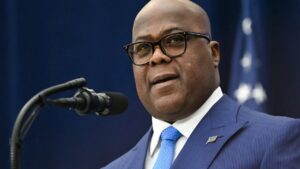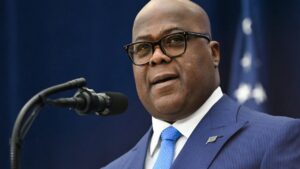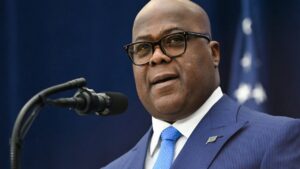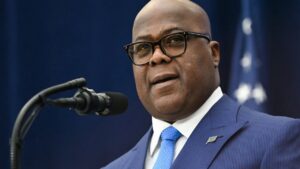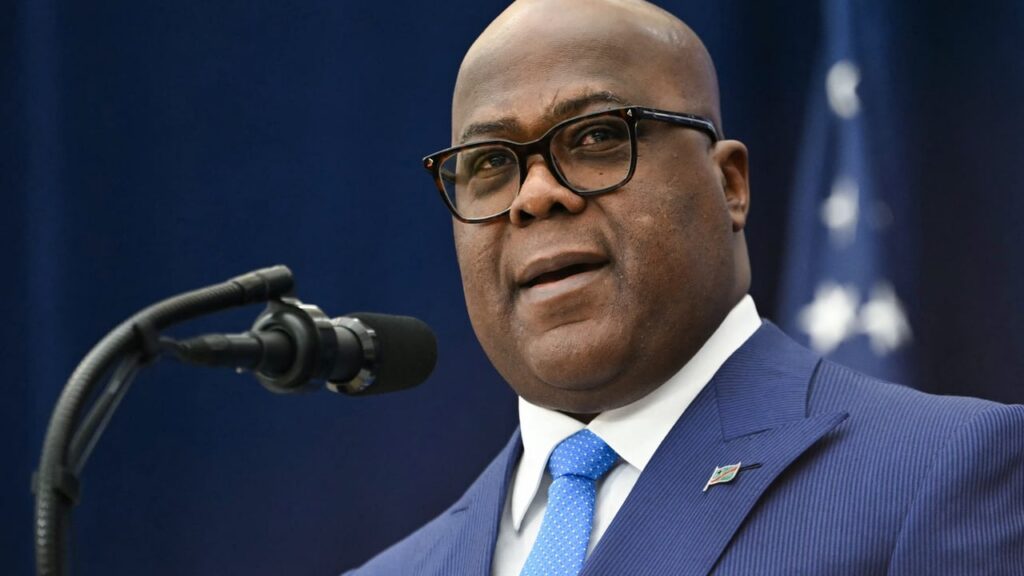
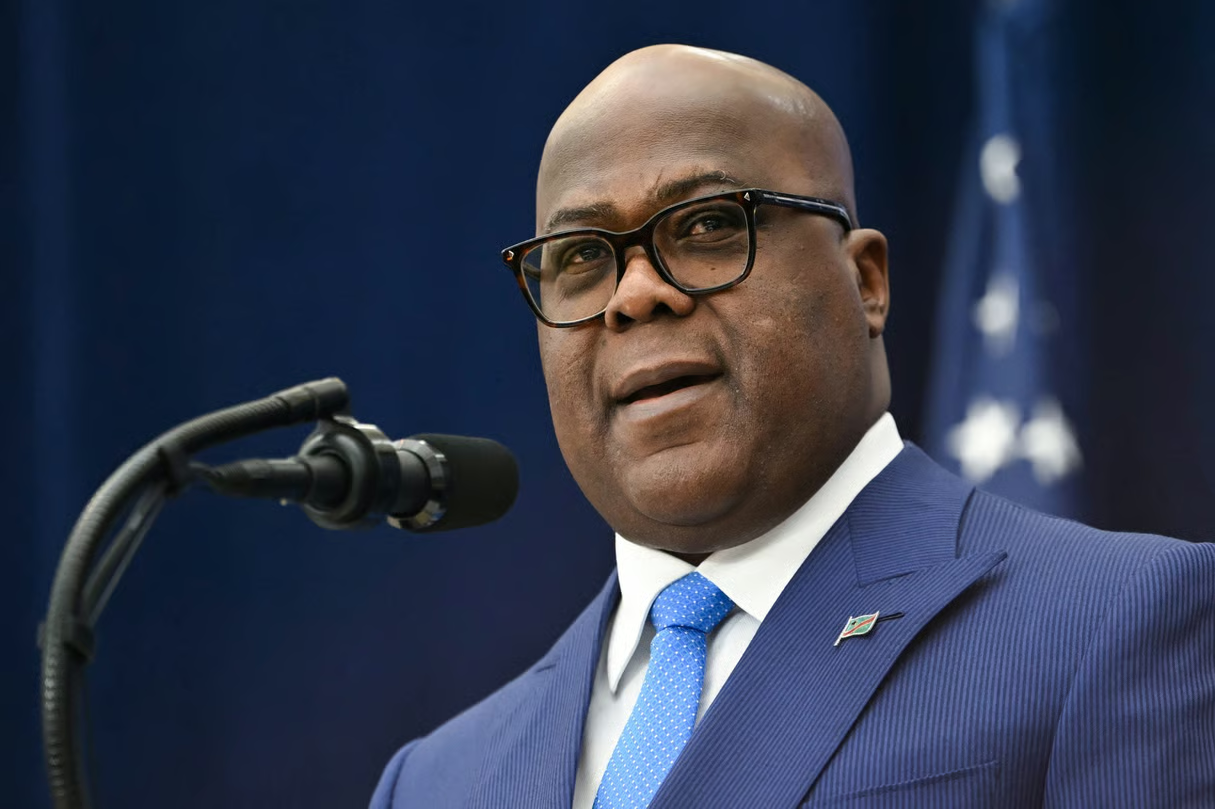
The Democratic Republic of the Congo’s Constitutional Court has delivered a landmark ruling, endorsing legislation that paves the way for President Félix Tshisekedi to seek a third consecutive term in office. This judicial decision comes amid escalating political debates and public scrutiny over the amended constitutional provisions.
The court’s verdict, which was issued after extensive deliberations, removes existing legal obstacles that previously prevented Tshisekedi from running in the next election cycle. Legal experts highlight that the ruling hinges on a reinterpretation of term-limit clauses, a move that has ignited widespread discussions across political and civil society circles.
Constitutional reinterpretation sparks legal and political reactions
The decision has drawn immediate responses from both supporters and critics. Proponents argue that the ruling aligns with the evolving needs of governance and reflects the democratic will of the electorate. They point to the president’s track record, emphasizing his contributions to national stability and economic growth during his tenure.
On the opposing side, detractors condemn the ruling as a circumvention of democratic norms. Opposition figures and civil society organizations have raised concerns over the potential erosion of institutional checks and balances. «This decision undermines the very foundation of constitutional democracy,» stated one prominent legal scholar in a recent interview.
The political landscape remains tense, with heightened anticipation for the upcoming electoral process. Analysts suggest that the court’s ruling could significantly influence voter sentiment and campaign strategies moving forward.
Economic implications and public sentiment
Beyond the political arena, the constitutional amendment has raised questions about its potential impact on the DRC’s economic outlook. Investors and international partners are closely monitoring developments, wary of the possible repercussions on policy continuity and investor confidence.
Public opinion is equally divided, with urban centers witnessing both protests and rallies. Social media platforms have become battlegrounds for discourse, reflecting the deep polarization within Congolese society. The government has yet to issue an official statement regarding the broader implications of the ruling.
As the nation braces for the next phase of this unfolding political narrative, the Constitutional Court’s decision stands as a pivotal moment in the DRC’s democratic journey.