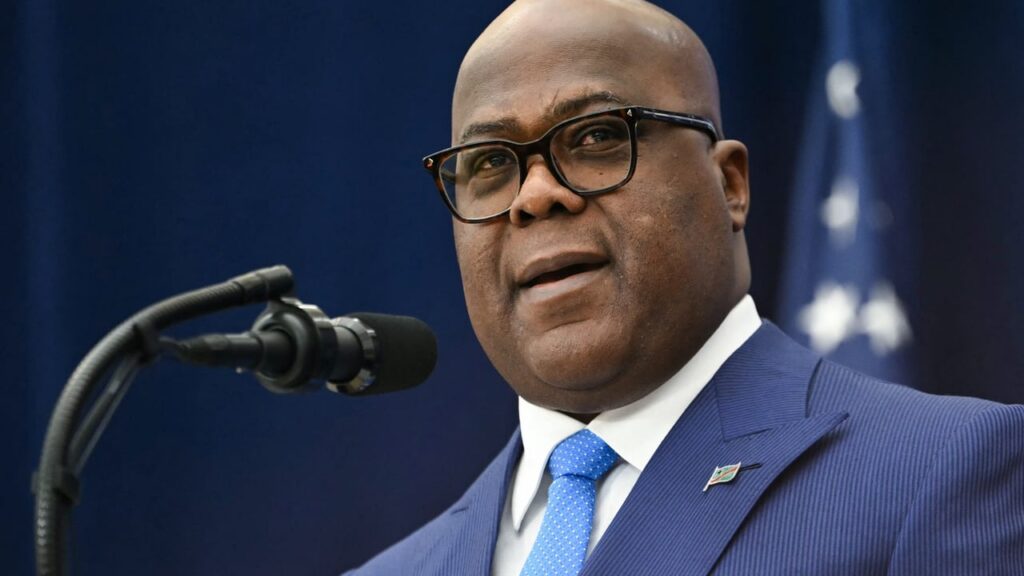
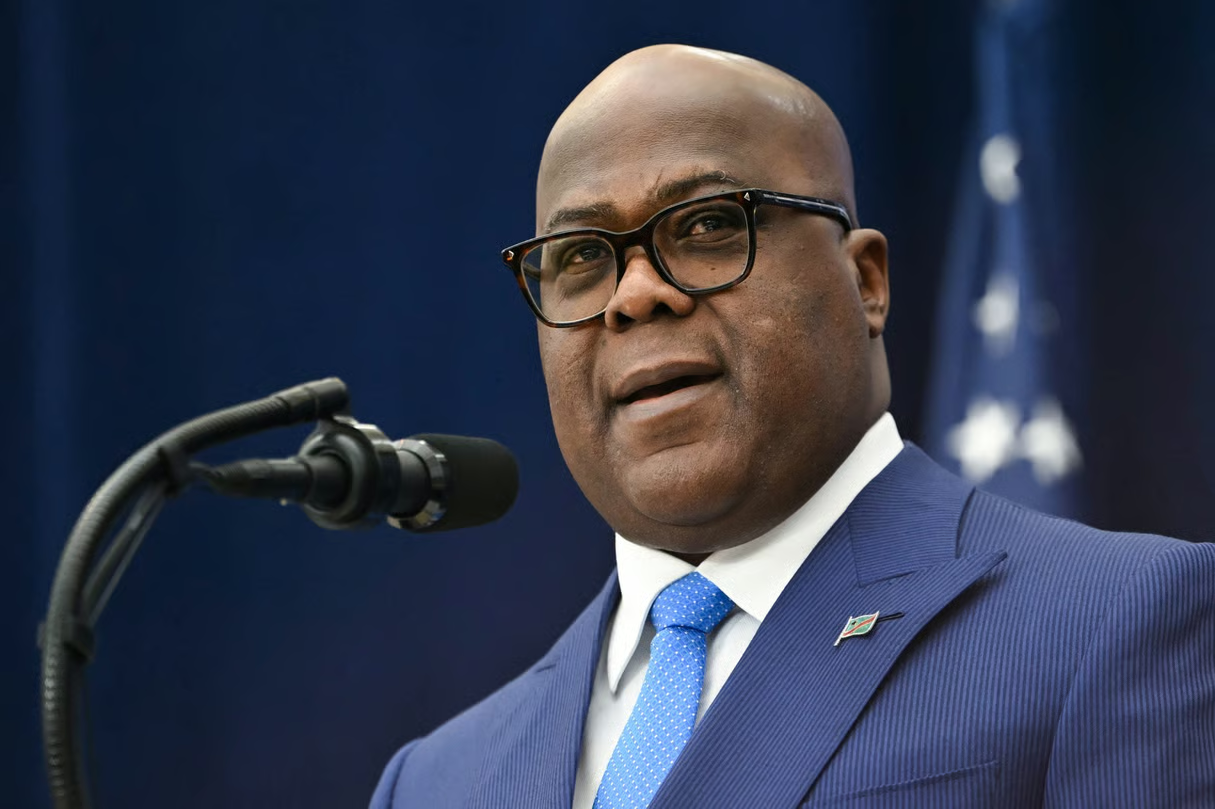
The Democratic Republic of the Congo’s Constitutional Court has issued a pivotal ruling that paves the way for President Félix Tshisekedi to seek a third consecutive term in office. This landmark decision, delivered today, removes the last legal hurdle standing in his path to re-election.
The court’s ruling hinges on a controversial interpretation of the country’s constitutional provisions regarding presidential term limits. Critics argue that the decision contradicts the spirit of the 2015 constitutional reforms, which were designed to prevent any single leader from overstaying power.
Legal battles and constitutional debates
Opposition figures and legal experts have been locked in fierce debate over the constitutionality of Tshisekedi’s potential third term. The president’s supporters contend that a technicality in the law allows for his candidacy, while detractors view the move as a blatant circumvention of democratic norms.
The court’s bench, composed of senior magistrates, examined multiple petitions challenging the legality of the proposed amendment. After thorough deliberation, the judges concluded that no constitutional bar exists to prevent Tshisekedi from running again. This verdict has intensified political tensions across the nation.
Reactions from political stakeholders
Tshisekedi’s political allies have hailed the decision as a victory for democracy and stability. Vital Kamerhe, a key ally and former presidential candidate, expressed strong support for the ruling, emphasizing that it aligns with the will of the Congolese people.
On the opposing side, civil society groups and opposition leaders have condemned the verdict as a dangerous precedent that undermines the country’s democratic foundations. Moïse Katumbi, a prominent opposition figure, accused the court of prioritizing political expediency over constitutional integrity.
Implications for Congo’s political landscape
The ruling is expected to reshape the political dynamics ahead of the next presidential election. With the legal pathway now clear, Tshisekedi is positioned to consolidate his grip on power, potentially altering the course of the nation’s future governance.
Analysts warn that the decision could deepen political divisions in a country already grappling with ethnic tensions and regional instability. The opposition has vowed to challenge the ruling through public protests and international advocacy, setting the stage for a contentious electoral period.
International reactions and concerns
The international community has closely monitored the developments in Congo. While some global actors have called for calm and adherence to constitutional processes, others have expressed concerns about the potential erosion of democratic institutions in the region.
The court’s decision is likely to be scrutinized by regional bodies and international observers, who will assess its compliance with democratic standards and human rights principles.