Togolese citizens rally against 2024 constitutional changes
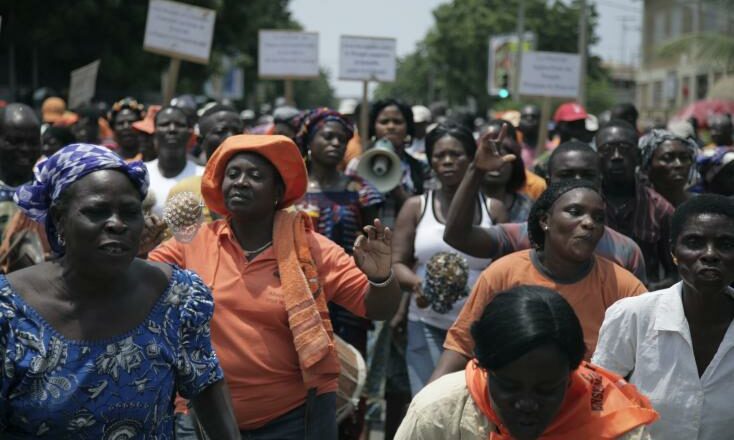
Hundreds of demonstrators took to the streets in Vogan, southern Togo, on Sunday to voice their opposition to the 2024 constitutional reform. Critics argue the amendments pave the way for President Faure Gnassingbé to extend his decades-long rule.
The protest, spearheaded by the National Framework for Change in Togo (CNCC)—a coalition of opposition parties and civil society organizations—marked the second major gathering by the group in three months. The first demonstration, held in early May, signaled a rare but growing wave of dissent against the government’s constitutional overhaul.
Protesters carried banners with slogans such as “No to unconstitutional power grabs” and “Constitutional coup d’état”, condemning what they describe as an illegitimate power grab.
David Dosseh, spokesperson for the Citizen Front Togo Debout (FCTD), one of the organizing groups, emphasized the gravity of the situation: “The 2024 Constitution is completely illegal. It’s a constitutional coup that Togolese will never accept.”
The revised Constitution, which came into force in 2024, drastically reshapes Togo’s political landscape. It abolishes direct presidential elections and shifts to a parliamentary system. The highest executive role, now titled President of the Council, is held by Faure Gnassingbé, who has been in power since 2005.
Opposition figures and civil society leaders contend the reform is designed to indefinitely prolong Gnassingbé’s tenure. Meanwhile, government supporters argue the changes enhance institutional representation and democratic accountability.
Clashes stemming from the constitutional debate have already resulted in casualties. In 2025, protests turned violent, with civil society reporting seven fatalities, while prosecutors attributed five deaths to drowning.
On January 29, the Economic Community of West African States (ECOWAS) Court of Justice ruled that the reform constituted an “unconstitutional change of government.” The Togolese government dismissed the ruling, asserting the court exceeded its authority by interfering in domestic constitutional matters. Officials insist the court’s mandate is limited to human rights and community law compliance, not judicial review of national legislation.