Chad exits international criminal court amid global scrutiny
Chad’s government cites the court’s inconsistent track record as it distances itself from the ICC, following pressure from Washington.
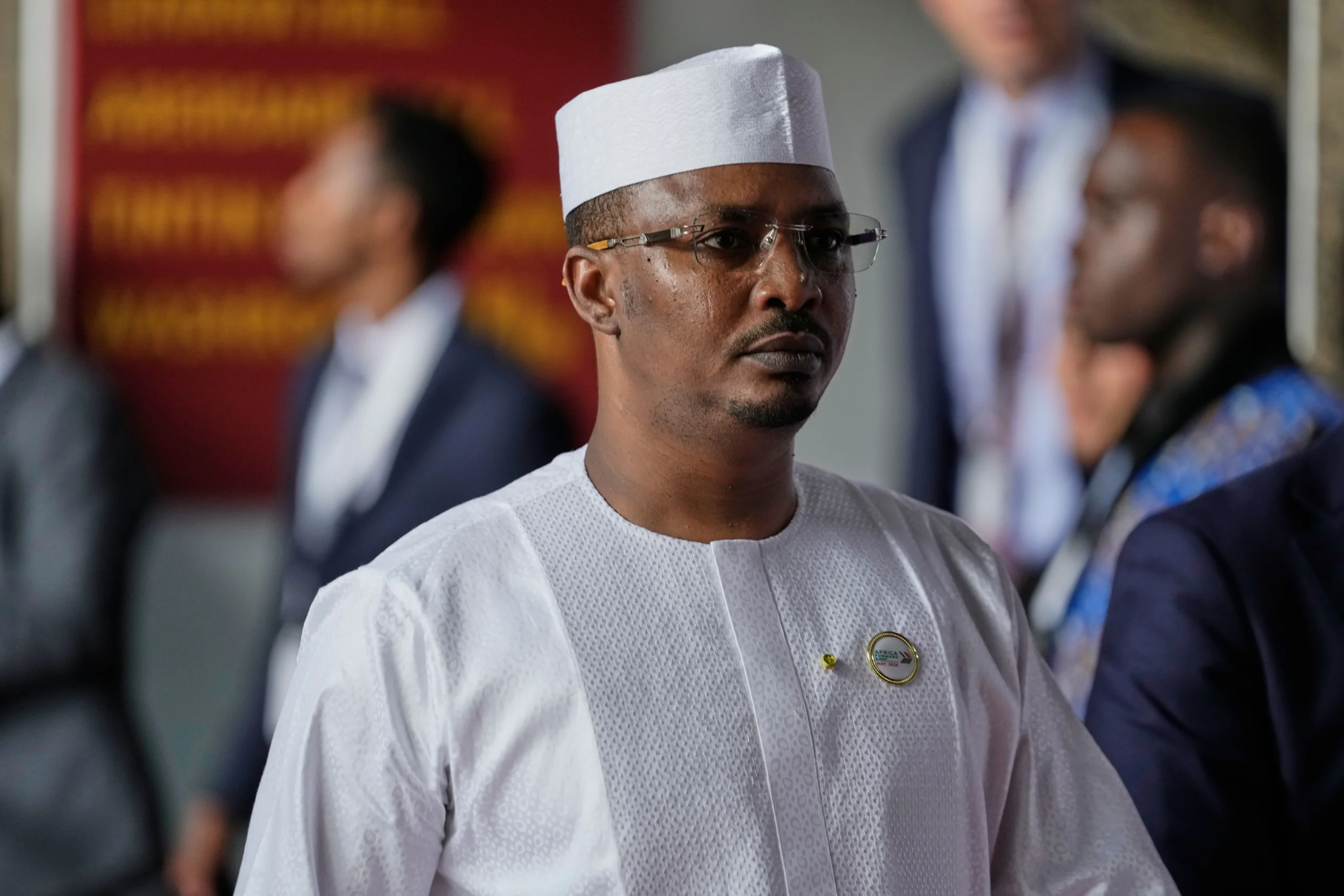
Chad has formally notified the International Criminal Court of its withdrawal, citing longstanding frustrations with what officials describe as an inconsistent and underwhelming performance. The decision, announced via a government spokesperson, reflects a broader skepticism toward the court’s operations since its inception in 2002.
«The court’s effectiveness remains limited and uneven, with the vast majority of its investigations targeting African nations,» the government stated. Out of the 13 cases opened since 2002, nine involve African states, while only four have been pursued elsewhere. «Despite these disparities, tangible progress remains elusive,» the spokesperson added.
At present, the ICC holds only seven detainees, six of whom are linked to African cases. The government emphasized that this imbalance undermines the court’s credibility and global legitimacy.
U.S. pressure fuels reconsideration
Washington’s influence played a role in Chad’s decision-making process. During a recent call, a senior U.S. State Department official urged Chad’s foreign minister to reassess its membership in the Rome Statute, citing concerns over the court’s fairness and efficiency. The U.S. delegation highlighted the need for structural reforms to ensure impartiality across all regions.
However, Chad’s foreign minister, Abdoulaye Sabre Fadoul, denied that American pressure was the driving force. «This withdrawal is not a response to outside influence,» he clarified in a press statement. «It reflects our government’s long-term evaluation of the court’s ability to deliver justice fairly.»
Sudan conflict allegations complicate matters
Chad’s move comes at a delicate moment, as it faces allegations of facilitating arms shipments from the United Arab Emirates to Sudan’s Rapid Support Forces (RSF). The RSF has been engaged in a brutal civil war against Sudan’s military since April 2023, with both sides accused of war crimes, including indiscriminate attacks on civilian areas.
Vincent Brengarth, a French human rights lawyer, warned that Chad’s withdrawal could hinder ongoing legal efforts. «By stepping away, Chad weakens international justice mechanisms and risks shielding perpetrators of grave crimes from accountability,» he cautioned. Earlier this year, Chad contributed evidence linking arms trafficking to potential international crimes, a move that may now be jeopardized.
The international community has repeatedly condemned the Sudan conflict’s atrocities, yet the ICC’s ability to hold those responsible to account remains a contentious issue. Chad’s departure adds another layer of complexity to the court’s already strained relationship with African states.