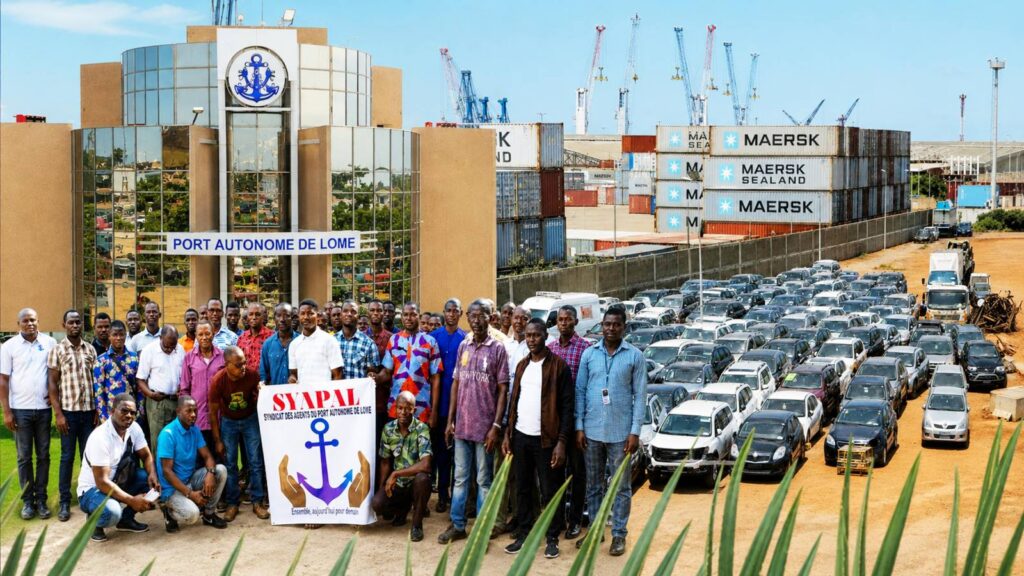
Economic heartbeat of Togo at risk of halt
The Autonomous Port of Lomé (PAL), the economic engine of Togo, stands on the brink of severe disruption. The union representing PAL workers has formally issued a three-day strike notice, scheduled from June 25 to 27, 2026. The workforce intends to halt operations to demand tangible progress on long-standing social grievances, raising alarms over potential paralysis in regional trade.
A stalled dialogue fuels escalating tensions
At the core of the dispute lies a stalled social dialogue. Despite multiple rounds of negotiations, union representatives report no meaningful progress on their key demands, which include improved working conditions, salary increases, and enhanced social benefits.
Should an agreement fail to materialize by June 25, the strike will proceed in full force. For the PAL—the sole deep-water port in West Africa capable of accommodating third-generation vessels—such a shutdown would inflict severe operational and administrative paralysis.
Regional trade corridors under threat
The repercussions of this industrial action extend far beyond Togo’s borders. As a pivotal maritime hub, the PAL serves as the primary gateway for goods destined for landlocked Sahelian nations.
The most affected countries include:
- Burkina Faso
- Mali
- Niger
A 72-hour halt in operations would lead to terminal congestion, cascading delivery delays, and exorbitant demurrage costs for commercial operators.
Last-ditch mediation efforts underway
With the crisis escalating, the PAL management and government officials face mounting pressure. The Togolese government, which has prioritized port modernization and competitiveness as cornerstones of its strategic roadmap, cannot afford a prolonged labor dispute.
Business circles and licensed customs agents are closely monitoring the situation, hoping for swift mediation to avert a crisis before the June 25 deadline.