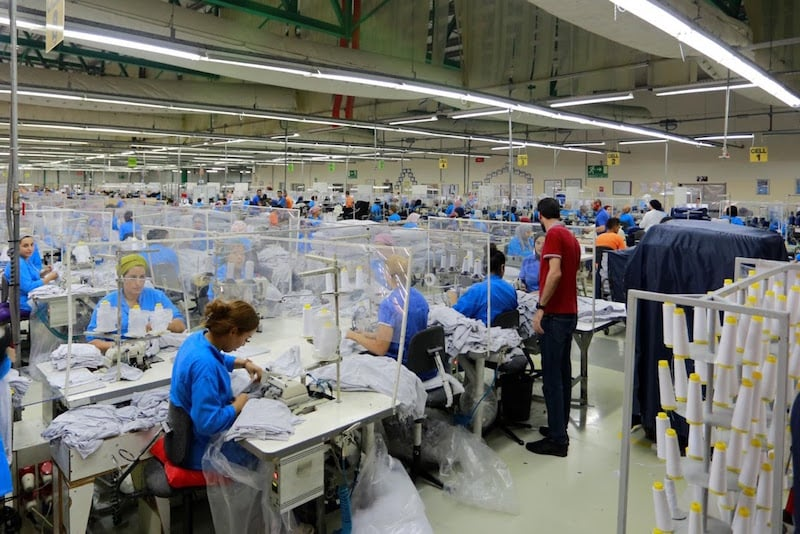
Morocco’s textile sector stands on the cusp of a profound transformation, with the adoption of a circular economy model projected to unlock a staggering $1.9 billion in private investments and generate over 30,000 new employment opportunities. This strategic shift positions the kingdom as a pivotal hub for industrial restructuring, driven by textile waste recycling, a reduced environmental footprint, and the burgeoning European demand for more transparently sourced garments.
A recent pilot initiative, supported by international financial expertise, has dramatically exceeded its initial goals. The program successfully earmarked 2,400 tonnes of textile remnants for recycling, with 427 tonnes already converted into new materials. This achievement lends significant industrial weight to a value chain historically fragmented among small workshops, informal collectors, and low-value outlets.
Further analysis reveals that integrating recycled fibers could slash carbon emissions by 18% and decrease water consumption by more than 60% compared to conventional manufacturing methods. This presents a critical advantage for an industry facing intense scrutiny from European clients, local water scarcity challenges, and consumers’ growing expectations regarding the true composition of their apparel.
european traceability and customs framework
This immense potential is also intrinsically linked to a significant social evolution. Currently, over 80% of Morocco’s textile waste collectors operate without official recognition. However, projections indicate that up to three-quarters of these workers could transition into the formal sector within the next five years, provided appropriate public policies are implemented. Such a move promises substantial gains in declared incomes, social protection, and professional structuring.
Morocco is uniquely positioned to emerge as a regional leader in sustainable textiles, thanks to its strategic proximity to Europe, established manufacturing capabilities, and the global appetite for products with a reduced environmental impact. Nevertheless, specific adjustments are crucial. These include officially recognizing textile waste as a reusable raw material, adapting customs regulations, and establishing traceability systems fully compatible with European Union (EU) standards.
This requirement holds strategic importance for Moroccan exporters, considering the EU accounts for 93% of the kingdom’s textile sales. Beginning in 2027, the EU will enforce the digital product passport, a mechanism compelling European suppliers to equip products with a QR code or NFC chip. This technology will provide verifiable data on each garment’s environmental footprint, traceability, and actual composition, effectively making documentary compliance a prerequisite for accessing the most lucrative markets.