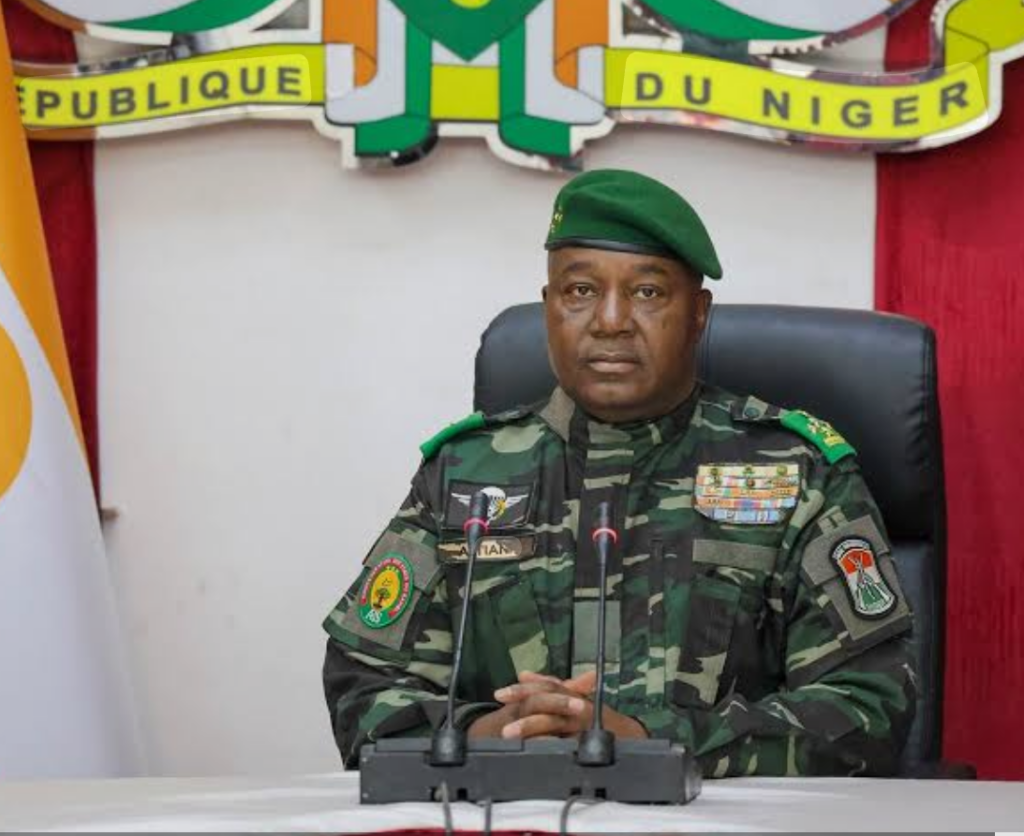
The West African Development Bank (BOAD) has committed a total of 60.6 billion West African CFA francs—approximately $105 million—to Niger, signaling its bold investment in critical infrastructure despite the country’s mounting challenges. The agreements were formalized in Niamey, with Prime Minister Ali Mahaman Lamine Zeine and BOAD President Serge Ekue presiding over the signing ceremony. The funds are divided into two strategic allocations aimed at addressing structural vulnerabilities in agriculture and energy.
Transforming agriculture and energy through targeted financing
Of the total package, 30 billion FCFA has been earmarked for the National Office of Hydro-Agricultural Development (ONAHA). This investment will modernize large-scale irrigation systems, expanding arable land along the Niger River and other key basins. The goal is to boost cereal yields and reduce the nation’s reliance on costly emergency food imports—a pressing concern amid recurring droughts. The remaining 30.6 billion FCFA has been directed to the Niger Electricity Company (NIGELEC), where it will fund a 23-megawatt expansion project. This initiative aims to ease pressure on the national grid, curtail frequent blackouts, and support emerging industries while improving access to reliable power for both urban and peri-urban communities.
Security threats and logistical hurdles threaten project feasibility
The BOAD’s high-stakes gamble faces immediate threats from the country’s persistent insecurity. Armed non-state groups continue to operate in volatile regions, particularly in Tillabéri near the tri-border area and Diffa in the Lake Chad basin. These conditions complicate logistics, raising concerns about the safe deployment of heavy irrigation equipment and the protection of construction sites for power infrastructure. Additionally, a portion of the allocated funds may need to be diverted to secure personnel and assets, diverting resources from their intended purposes. Sustainability is another concern: hydro-agricultural facilities in conflict-prone zones risk damage or abandonment as communities flee violence, undermining long-term viability.
Governance risks: Shadows over transparency and accountability
Beyond the battlefield, governance failures pose a significant threat to the effective use of these funds. Years of scrutiny have highlighted systemic corruption risks within Niger’s public sector, particularly in high-value procurement processes. Questions linger over how contracts for irrigation equipment and energy projects will be awarded—whether through competitive bidding or closed-door agreements. Without robust independent oversight, there is a real danger that funds could be misused for personal enrichment or political patronage rather than channeled into tangible development outcomes.
Silenced oversight: The erosion of civic accountability
The BOAD’s investment arrives in a climate where civic space has been systematically constrained. Independent journalists, anti-corruption NGOs, and opposition voices operate under severe restrictions, facing censorship, intimidation, or legal reprisals. Investigative reporting on public spending, which could expose mismanagement or inflated costs, has become increasingly perilous. Similarly, civil society organizations lack the freedom to audit project execution or demand public accountability. This absence of watchdogs leaves decision-makers unchecked, raising serious doubts about whether these funds will truly serve the public interest or be absorbed by systemic dysfunction.
Can the BOAD’s gamble deliver for Niger’s future?
By pushing forward with these infrastructure investments despite political turbulence and security threats, the BOAD has placed itself at the center of Niger’s development narrative. While the need for improved irrigation and electricity access is undeniable, the success of this initiative hinges on more than just technical execution. It demands ironclad transparency, rigorous financial controls, and a commitment to safeguarding these resources from corruption. Without these safeguards, the project risks becoming another cautionary tale—one where good intentions collide with entrenched governance failures, leaving Niger’s citizens to bear the consequences.