In the first quarter of 2026, Gabon’s electricity production plummeted by 13.2% compared to the previous quarter, marking a staggering 20.1% drop year-over-year. This sharp decline, highlighted in the latest Sectoral Conjuncture Report by the General Directorate of Economy and Fiscal Policy (DGEPF), exposes a deep-rooted systemic weakness that citizens have long endured.
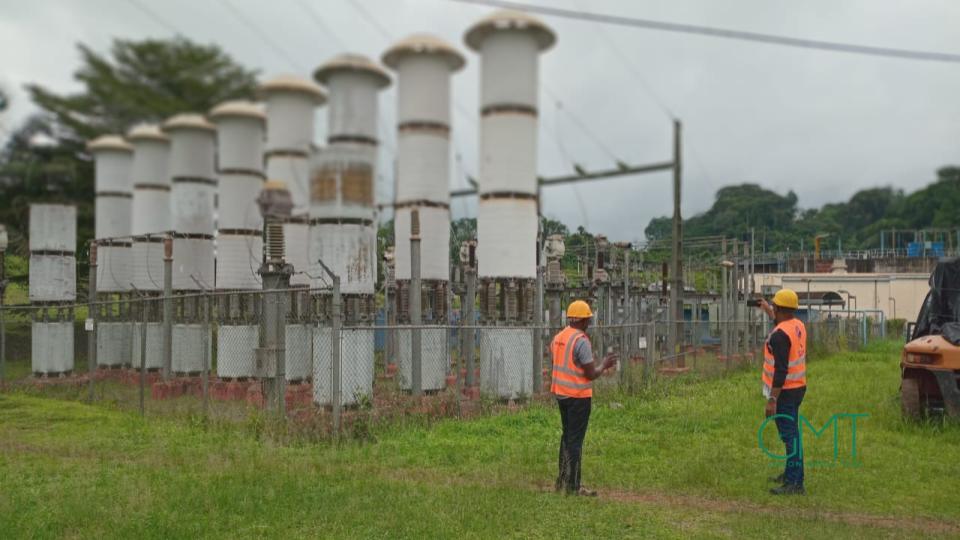
The report attributes the crisis to “numerous breakdowns” that have crippled the national power generation infrastructure. At the heart of the issue lies “insufficient maintenance funding”—a well-documented pattern of chronic underinvestment in the country’s aging electrical grid. Years of patchwork repairs and delayed upgrades have left the system vulnerable, unable to withstand the strain of time.
The consequences extend far beyond flickering lights or idle appliances. The DGEPF’s findings reveal a dangerous domino effect: repeated power outages are now disrupting the nation’s water supply. Mechanical seal failures, pump malfunctions, and electrical surges are accelerating the wear-and-tear on already overburdened equipment. This interconnected failure of two critical services—electricity and water—demonstrates how a single infrastructure breakdown can jeopardize the most basic needs of households across Gabon.
When power fails, water follows suit
The crisis is no longer confined to occasional blackouts or disrupted routines. Entire communities now face water shortages as power cuts sabotage pumping stations and treatment plants. The relentless cycle of failures—where electricity and water infrastructure collapse in tandem—underscores a harsh truth: Gabon’s basic services are dangerously interdependent. Without urgent, large-scale modernization efforts, the country risks spiraling into a prolonged crisis of failing utilities, where no sector remains untouched.