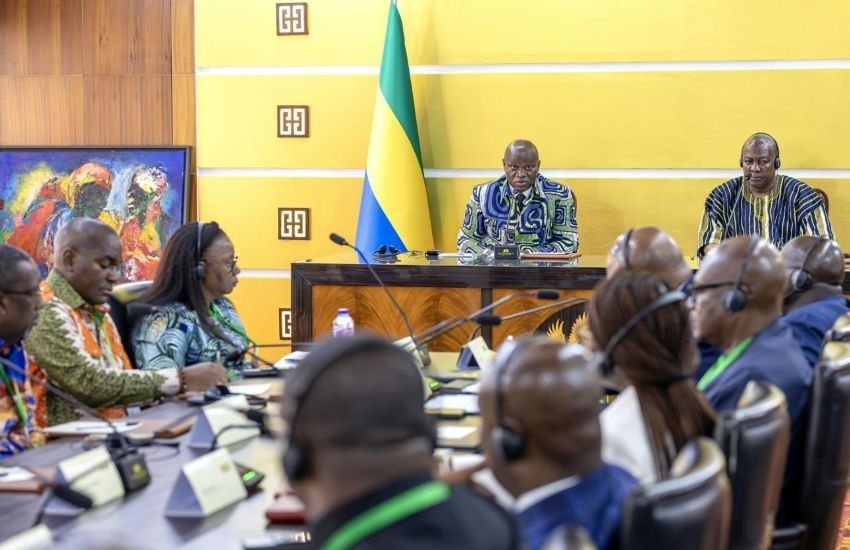
Libreville, July 29, 2026 — A landmark diplomatic mission has set the stage for deeper economic cooperation between Gabon and Ghana. President Brice Clotaire Oligui Nguema’s official visit to Accra marks a pivotal moment in Africa’s evolving approach to continental partnerships, emphasizing investment, industrialization, and self-reliance.
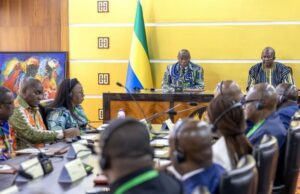
The two nations, though distinct in their economic strengths, share a common vision: transforming political alliances into engines of growth. While Ghana has emerged as one of West Africa’s most diversified economies, Gabon is prioritizing the local processing of its natural resources and bolstering its economic appeal. This complementary dynamic formed the backbone of discussions between President Oligui Nguema and Ghanaian counterpart John Dramani Mahama.
Strategic sectors take center stage in bilateral talks
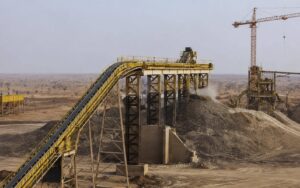
The high-level meeting transcended ceremonial formalities, delving into actionable plans across key industries. A joint working session identified mining, agriculture, fisheries, forestry, digital technology, education, and raw material processing as priority areas for collaboration. The goal is clear: foster cross-border investments, strengthen African value chains, and generate employment opportunities on the continent.
This initiative aligns with President Oligui Nguema’s economic blueprint, which prioritizes diversification, skill transfer, and industrialization. Diplomacy, in this context, is no longer just a political tool but a catalyst for national development. Two landmark agreements emerged from the negotiations:
- Diplomatic capacity-building: A reciprocal training program for diplomats from both nations to enhance institutional expertise.
- Ongoing political coordination: A permanent mechanism for aligning Gabon and Ghana’s positions in regional and global forums.
Diplomacy shifts toward intra-African collaboration
This visit underscores a broader trend in African diplomacy—one that redirects focus from external partnerships to robust continental alliances. By emphasizing mutual interests over aid dependency, Libreville and Accra are paving the way for stronger trade ties within Africa. The symbolic gesture of planting an “arbre de l’amitié” (tree of friendship) further highlighted shared commitments to environmental stewardship, climate resilience, and sustainable economic growth.
The success of this partnership hinges on translating intentions into tangible outcomes. Concrete projects, industrial collaborations, and educational exchanges will determine whether this alliance delivers lasting benefits. For Gabon, this shift represents a strategic recalibration—moving beyond traditional international partners to build alliances that drive industrialization, innovation, and value creation across Africa.
If this momentum persists, the Accra visit could be remembered as a defining moment in Africa’s economic diplomacy, where nations collaborate not just in dialogue but in building a shared future.