Gabon and Ghana forge stronger economic alliance to boost continental growth
Libreville, July 29, 2026 — When Gabonese President Brice Clotaire Oligui Nguema selected Accra for one of his first major diplomatic engagements following his election, he sent a powerful message far beyond bilateral relations. This strategic move signals a shift toward continental partnerships designed to convert political ties into engines of economic growth, investment, and industrialization.
The official visit to Ghana exemplifies this new direction, where African cooperation evolves from political dialogue into a driver of economic development and strategic influence. The choice to prioritize continental alliances reflects a growing recognition that Africa’s future prosperity depends on intra-African trade and shared industrial ambitions.
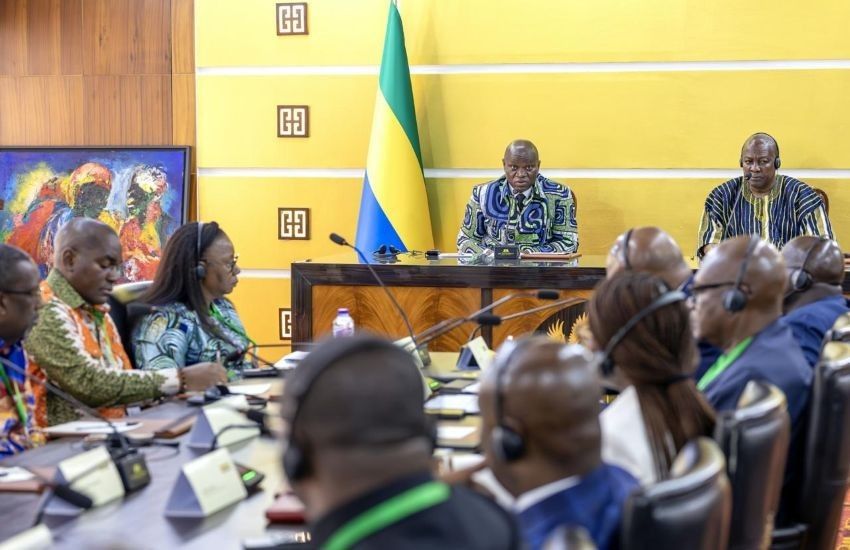
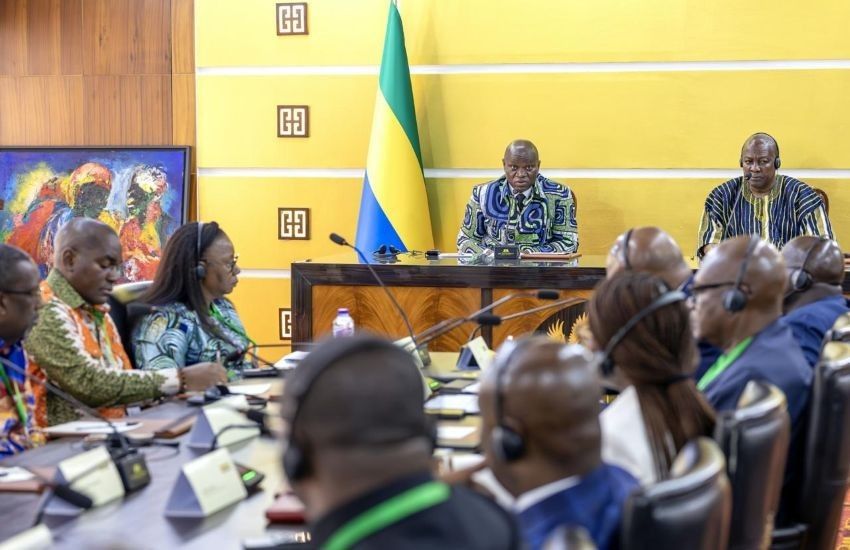
At the Accra presidential palace, President Oligui Nguema met with Ghanaian counterpart John Dramani Mahama to explore synergies between their nations’ economic strengths. Ghana stands out in West Africa for its diversified economy, while Gabon is focused on accelerating local processing of its natural resources and enhancing its economic appeal. This complementary dynamic laid the foundation for a partnership built on mutual benefit rather than dependency.
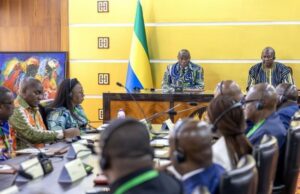
The discussions transcended formalities, culminating in in-depth bilateral talks that identified priority sectors for long-term collaboration. Both delegations engaged in working sessions centered on key development areas, signaling a commitment to actionable outcomes rather than vague declarations.
Partnerships rooted in tangible economic progress
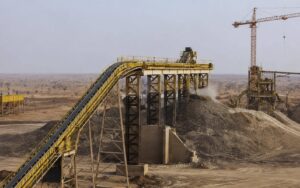
The selected cooperation areas reflect a results-driven approach: mining, agriculture, fisheries, forestry, digital innovation, education, and local raw material processing. This agenda underscores a departure from traditional cooperation models toward initiatives that foster cross-border investment, strengthen African value chains, and generate employment on the continent.
These priorities align with President Oligui Nguema’s economic vision, which emphasizes diversification, skills transfer, and industrialization. In this framework, diplomacy becomes a tool for national development rather than a standalone political exercise. The agreements signed during the visit reflect this philosophy.
Two landmark accords were finalized: the first establishes reciprocal diplomatic training programs to strengthen institutional capacities in both countries. The second creates a permanent political consultation mechanism to align Gabon and Ghana’s positions in regional and international forums. These frameworks are designed to institutionalize cooperation and ensure continuity beyond the initial diplomatic engagement.
Diplomacy for a self-reliant Africa
This visit underscores a broader transformation in African international relations. Historically, African states prioritized partnerships with external powers, often resulting in aid-dependent dynamics. Today, a growing number of nations are prioritizing intra-African collaboration to build resilient economies rooted in shared interests rather than external assistance.
The Libreville-Accra rapprochement exemplifies this shift. Both capitals are committed to forging alliances based on mutual benefit, a strategy poised to amplify intra-African trade—currently lagging behind other global regions. By focusing on economic complementarity, these partnerships could unlock new growth opportunities and reduce reliance on external markets.
The symbolic gesture closing the visit—planting an “Arbre de l’Amitié” (Tree of Friendship)—reinforced this commitment. For two nations deeply invested in natural resource stewardship, the act highlighted how environmental protection, climate action, and green economic development can anchor continental cooperation.
From vision to implementation
The true impact of this diplomatic engagement will hinge on translating commitments into concrete results. Signed agreements must evolve into operational projects, investments, academic exchanges, industrial collaborations, and business opportunities for enterprises in both countries.
Yet the significance extends beyond the Gabon-Ghana partnership. This visit marks a pivotal moment in African diplomacy, as nations increasingly turn to their neighbors to navigate global economic uncertainties. By leveraging regional strengths, African states are laying the groundwork for industrialization, innovation, and value creation across the continent.
Looking ahead, the Accra visit may be remembered as a cornerstone of a more assertive African economic diplomacy. It signals a shift from dialogue to action, where African states are no longer content to engage in rhetoric but are actively building a shared future through strategic alliances and shared prosperity.