A new milestone has been reached in the ideological refoundation of Burkina Faso. Since June 1, an official directive now mandates all public administrations to use the term “camarade” when addressing citizens and users.
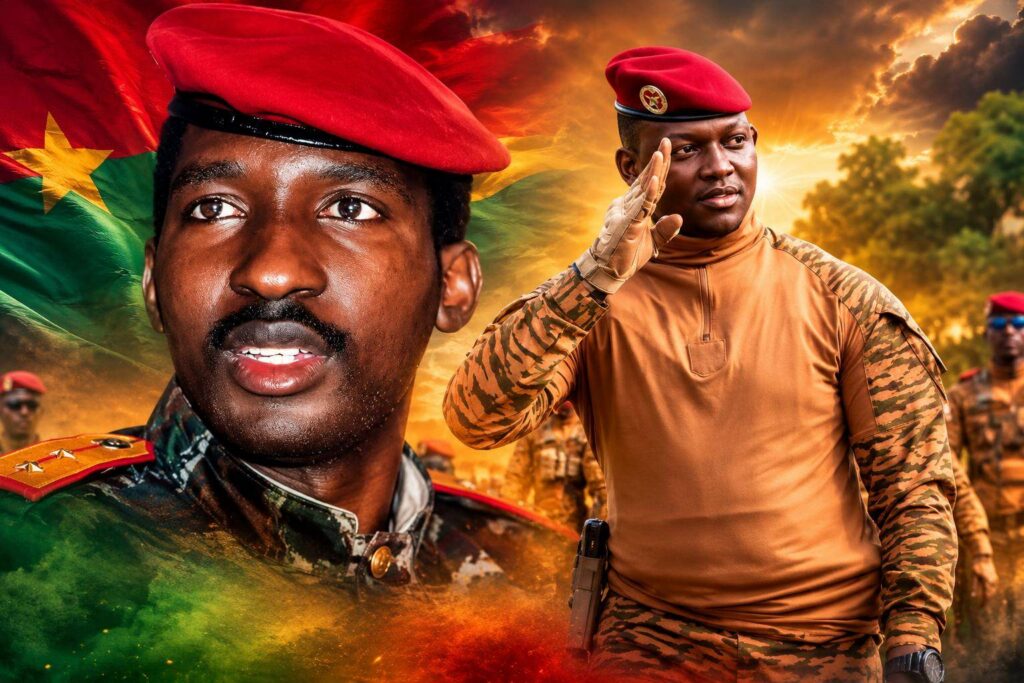
This measure is part of the “progressive and popular revolution” promoted by the transitional authorities led by Captain Ibrahim Traoré. It marks a strong symbolic break with administrative codes inherited from the colonial era.
A semantic and ideological shift
The abandonment of traditional “Monsieur” and “Madame” in favor of “Camarade” is not merely a vocabulary change. For the Burkinabe executive, this directive aims to establish a sense of absolute equality between the state and citizens, while strengthening national cohesion in the context of a severe security crisis.
The stated objectives of the government revolve around three main axes:
- Erase hierarchies: Remove traditional protocol barriers between state agents and the population to bring the administration closer to the governed.
- Strengthen national unity: Promote a strong, egalitarian collective identity deemed essential to face the country’s existential challenges.
- Assert sovereignty: Break away from Western forms of address, perceived by the regime as vestiges of a bourgeois or colonial culture.
The resurgence of Sankarist heritage
For observers of West African politics, this decision echoes the Democratic and Popular Revolution (RDP) led by Captain Thomas Sankara between 1983 and 1987. At that time, “camarade” was the central pivot of revolutionary rhetoric and culture.
“By reviving this vocabulary, the current government seeks to capture the historical and popular legitimacy of Thomas Sankara, a figure who remains extremely popular and inspiring among Burkinabe youth,” a regional political scientist said on condition of anonymity.
This return to Sankarist roots has been accompanied in recent months by other major refoundation decisions, including the revision of the transition charter, the rigorous promotion of endogenous development initiatives, and a deep overhaul of regional and international geopolitical alliances.
Mixed perspectives within society
On the ground, the implementation of this measure elicits varied reactions across the country:
- Support from regime backers: Supporters of the transitional government unanimously welcome it as a patriotic and historic measure. They argue it places the citizen at the heart of public action, breaks elitism, and instills a necessary esprit de corps in times of crisis.
- Reservations from skeptics and opposition: Conversely, several critical voices see it as a focus on purely ideological symbols. They believe the state’s top priorities should remain centred on territorial security, the return of internally displaced populations, and active counterterrorism efforts.
- Concrete challenge for the administrative corps: Within ministries and prefectures, public servants face a short-term managerial and cultural challenge. They must now instantly adapt all official correspondence, forms, and protocols for in-person and telephone reception.
As Burkina Faso continues to grapple with major security and humanitarian challenges, the transitional government is betting that semantics can be a powerful vector for mass mobilisation. Whether the adoption of this revolutionary language will sustainably consolidate the sacred union sought by Ouagadougou remains to be seen.