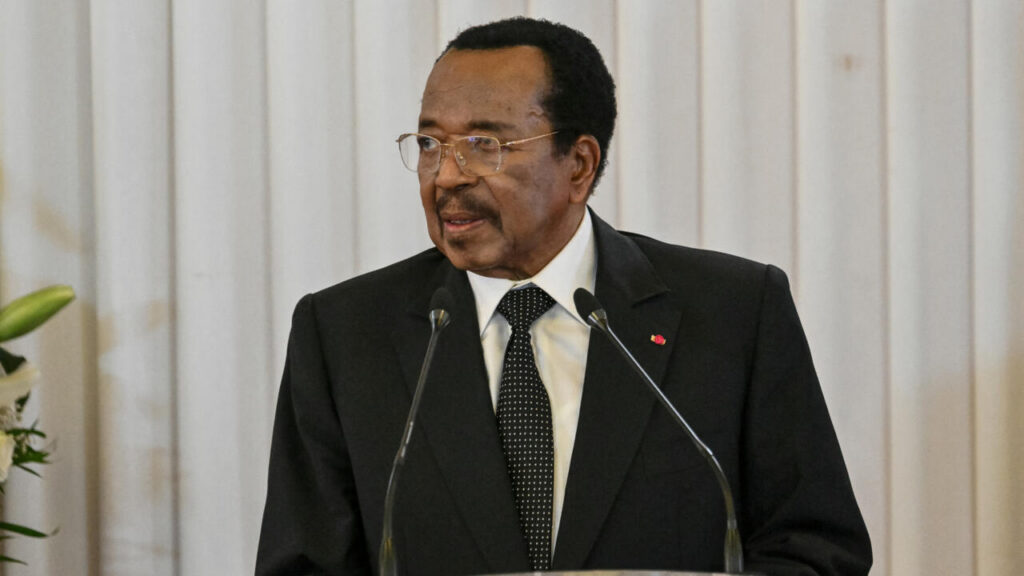
For over 50 days, the whereabouts of Cameroon’s President Paul Biya, aged 93, have remained undisclosed. His last public appearance dates back to June 7, when the Cameroon Tribune announced his departure for what was described as a brief private stay in Europe. Since then, neither his location nor a confirmed return date has been disclosed, leaving the nation in a state of uncertainty.
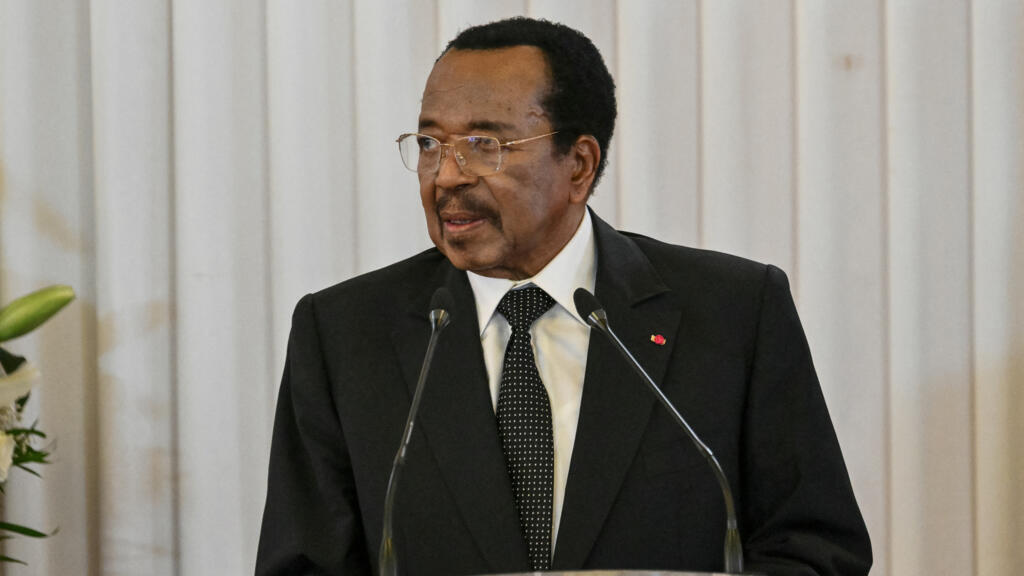
The prolonged absence and the government’s silence have fueled speculation and concern about the continuity of state governance. Opposition parties have raised alarms, describing the situation as a “power vacuum,” “autopilot mode,” or even a government operating in “remote work” mode.
What does Cameroon’s Constitution say about prolonged presidential absence?
Under Cameroon’s Constitution, the provisions for a prolonged absence or incapacitation of the president are outlined in Article 67. This article stipulates that if the president is temporarily unable to perform duties, the powers are assumed by the vice president or, in their absence, by the president of the Senate. However, the ambiguity surrounding Biya’s situation—whether it qualifies as temporary or permanent incapacitation—has left legal and political experts questioning the application of these constitutional safeguards.
Critics argue that the lack of transparency could lead to administrative paralysis, particularly in handling critical national issues. The prolonged silence from government officials has only intensified public anxiety and speculation.
Potential implications for national governance
With no clear directives on who is currently leading the executive branch, key decisions remain stalled. This uncertainty raises concerns about the country’s ability to address urgent challenges, including economic stability, security, and diplomatic relations. Opposition figures have called for constitutional clarity to prevent any potential breakdown in governance.
The prolonged absence of President Biya underscores the need for transparency and adherence to constitutional provisions to ensure the stability and continuity of Cameroon’s government.