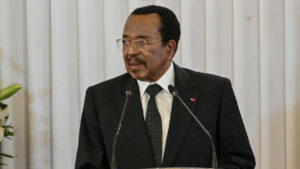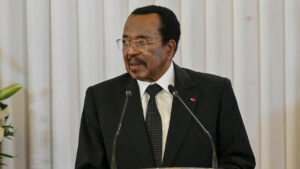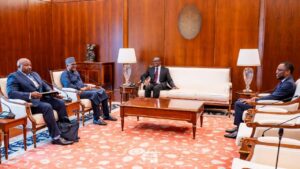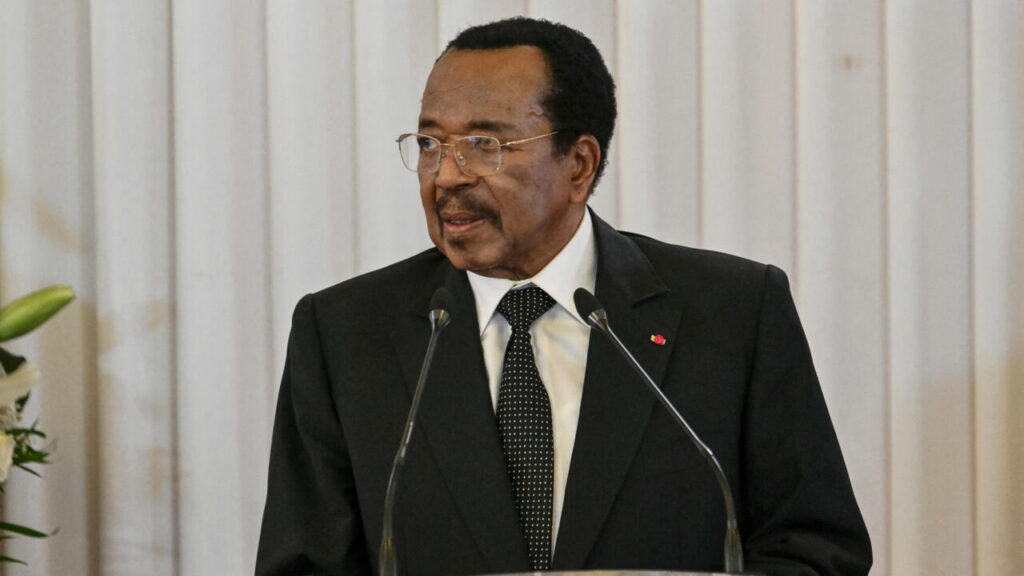
For over 50 days, Cameroon’s president Paul Biya has not made any public appearances. His last confirmed outing was on June 7, when the official gazette Cameroon Tribune announced his departure for a “short private stay in Europe.” Since then, neither his exact location nor a return date has been disclosed—despite the head of state being 93 years old. The prolonged absence and the government’s silence have fueled speculation about the continuity of state affairs.
unanswered questions and mounting uncertainty
Opposition parties have raised serious concerns, describing the situation as a “power vacuum,” “autopilot governance,” or even a government operating in “remote work mode.” The absence of clear information from authorities has only deepened public unease. Many are asking: what does the Constitution say about a prolonged presidential absence? Could this create obstacles in managing the country’s pressing issues?