The Promise of Industrialization vs. Ground Reality
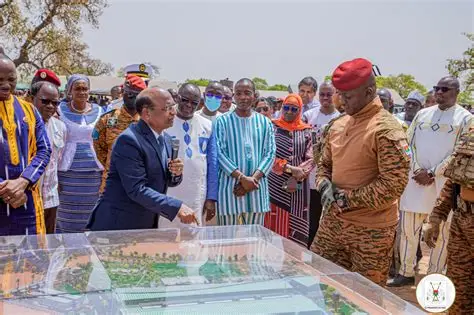
In recent months, Captain Ibrahim Traoré has been actively engaged in inaugurating industrial projects across Burkina Faso. From tomato processing plants to gold refining facilities, the transitional government’s communications machine is working overtime to project an image of a nation on the cusp of economic emergence. Yet, behind the carefully staged media narratives, the true state of the country reveals a far grimmer picture—one plagued by escalating security threats and economic hardship that propaganda alone cannot conceal.
A Spectacle of Progress for Domestic Consumption
The strategy is a familiar one for regimes seeking to bolster their legitimacy: the orchestration of high-profile construction initiatives. In cities like Ouagadougou and Bobo-Dioulasso, Captain Traoré is presented as a champion of national economic resilience. The message is clear: despite regional blockades and the withdrawal of Western partners, Burkina Faso is forging ahead independently.
The narrative centers on self-sufficiency, local job creation, and economic sovereignty. To regime supporters, every groundbreaking ceremony symbolizes a victory against foreign interference. However, economic analysts argue that these staged events are less a reflection of structured development and more an attempt to mask underlying instability with symbolic gestures.
Industries Built on Shaky Foundations
Scrutiny of these so-called industrial milestones often uncovers significant inconsistencies. While inaugurations are met with fanfare, critical details—such as actual operational viability, transparent funding sources, and long-term production capacities—remain conspicuously absent from public discourse.
Further complicating matters are allegations of financial impropriety surrounding the management of patriotic funds. The allocation of resources earmarked for both national defense and industrial expansion raises serious questions about accountability. As traditional private enterprises struggle under the weight of excessive taxation and insecurity, the rise of newly formed entities with close ties to power casts doubt on the integrity of public procurement processes.
The Human Cost Behind the Facade
The stark disconnect between political messaging and the lived experiences of Burkinabè citizens is impossible to ignore.
- Rising Inflation: Staple food items such as rice, cooking oil, and millet have surged in price, pushing basic necessities beyond the reach of vulnerable households.
- Humanitarian Crisis: With over two million internally displaced persons, Burkina Faso is grappling with one of the most severe humanitarian emergencies in its history. Entire villages remain trapped under terrorist blockades, relying on sporadic humanitarian aid convoys for survival.
- Economic Paralysis: The informal sector, the backbone of the economy, is in disarray. Persistent power shortages and the insecurity of key transportation routes have crippled commerce, stifling economic activity.
Propaganda as a Temporary Shield
The contrast is glaring: on one side, polished videos celebrating gleaming machinery and a resolute leader; on the other, families struggling to afford education for their children and soldiers battling in extreme conditions.
The illusion of a thriving Burkina Faso is, for now, a carefully constructed media narrative designed to sustain hope and suppress dissent. Yet, propaganda has its limits—particularly when reality refuses to align with rhetoric. A nation cannot be sustained on sovereignty rhetoric alone when its fields are inaccessible and its newly inaugurated factories produce little more than media fodder.
Captain Ibrahim Traoré’s gamble hinges on perception. By insisting, at all costs, that progress is being made, he risks severing the connection between governance and the daily struggles of his people. Industrialization is a commendable goal, but it cannot thrive on unstable ground. Without transparent financial practices and genuine territorial security, these presidential appearances will remain nothing more than illusions in the Sahelian expanse.