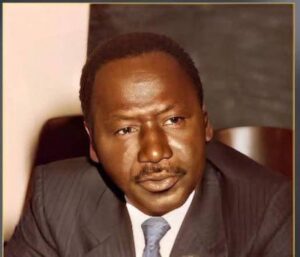
Kémi Séba’s arrest in South Africa and the looming threat of extradition to Benin have left the controversial figure more isolated than ever. While his supporters decry persecution, the conspicuous silence from former allies Nathalie Yamb and Franklin Nyamsi speaks volumes. Internal recordings rife with insults and allegations have exposed deep fractures within the self-proclaimed panafricanist movement, revealing a landscape far removed from the unity it once projected.
From solidarity to abandonment
In the past, any legal trouble for a prominent figure in the panafricanist sphere would spark immediate outcry—virulent social media campaigns, live video statements, and impassioned press releases. Yet, since Séba’s detention in Pretoria in April 2026, his former allies have maintained a chilling silence. Yamb, often referred to as the “Lady of Sochi,” and Nyamsi, a vocal critic of what he termed the “Françafrique conspiracy,” have offered no public support. Their refusal to engage has not gone unnoticed; the era of blind allegiance appears to have evaporated, replaced by outright disavowal.
Exposed: the recordings that shattered alliances
The turning point came with the leak of highly damaging audio recordings. These leaked conversations paint Séba in a harsh light, revealing vitriolic attacks on long-time collaborators. The most explosive moment arrived when he allegedly referred to Nathalie Yamb as a “palace whore,” accusing her of currying favor with Sahel’s new strongmen to sustain her lavish lifestyle—far removed from the struggles of ordinary citizens. These remarks, steeped in sexism and contempt, have obliterated the veneer of unity that the movement had meticulously cultivated for years.
A calculated retreat
For Yamb, publicly humiliated by Séba’s outburst, and for Nyamsi, who also faced disparaging remarks in the recordings, the risks of association have become untenable. Aligning with a figure who privately denigrates them while facing an international arrest warrant would amount to political suicide. “Once egos collide and insults fly, everyone scrambles for cover,” notes an African geopolitical analyst. “Kémi Séba has become toxic. No one wants to be tainted by his downfall, especially after being betrayed by his own words.”
Legal limbo without allies
With the withdrawal of support from his peers, Séba is left with little more than his legal team to navigate his predicament. His request for political asylum in South Africa now appears as a desperate bid to escape the consequences of his actions. April 29 marks a pivotal date in his fight for freedom. Even if extradition is avoided, the damage to the panafricanist movement is irreversible. By branding his allies as “mercenaries” and “palace whores,” Séba has severed the very ties that once sustained him. The masks have fallen: beneath the rhetoric of unity lies a brutal internecine conflict where no tactic is off-limits.