The Diplomatic Dilemma: Accuse or Cooperate—Pick One
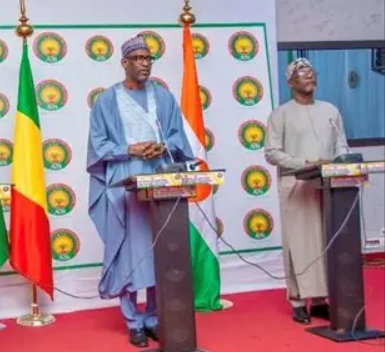
Recent statements from Niger and Mali’s foreign ministers reveal a striking contradiction. On one hand, they vehemently accuse West African neighbors within the ECOWAS bloc of backing terrorist groups. On the other, they express willingness to collaborate with those same nations. This contradictory stance underscores a fundamental truth: severing ties with a regional alliance is far from a straightforward decision.
The Credibility Gap
In international relations, consistency is the cornerstone of trust. When a nation publicly brands its neighbor as an enabler of terrorism, it becomes illogical—if not hypocritical—to propose economic partnerships the following day. Such mixed signals risk undermining the credibility of Sahelian leaders on the global stage, turning diplomatic negotiations into a farce where development is bargained with sworn adversaries.
The Unavoidable Pull of Geography
Despite pledges of “total independence,” geography remains an unyielding force that defies political rhetoric. Landlocked nations like Niger and Mali rely entirely on their coastal neighbors for survival, making ECOWAS membership less a choice and more a necessity.
The Ports That Keep Nations Alive
Essential goods—rice, sugar, medicines, and construction materials—must pass through ports in Cotonou, Lomé, or Abidjan. Without these lifelines, import costs skyrocket, triggering inflation that disproportionately harms already struggling populations. By seeking continued cooperation, the ministers inadvertently acknowledge a harsh reality: the Alliance of Sahel States (AES) cannot operate in isolation.
The Illusion of Keeping the Keys Without the Club
Leaving ECOWAS was a bold political statement aimed at appeasing domestic audiences. Yet, the ambition to retain technical advantages while rejecting the bloc’s rules is a fantasy. A nation cannot exit an alliance, vilify its members, and still expect open trade and security cooperation to persist.
Political Breakups Don’t Suspend Economic Dependencies
The contradiction is glaring: severing political ties while clinging to economic perks is unsustainable. Trade and investment thrive on trust and shared rules. By dismantling ECOWAS’ framework, Mali and Niger jeopardize the very stability their businesses and citizens depend on.
From Rhetoric to Reality: The Terrorism Paradox
Anger may stir emotions, but it is no substitute for foreign policy. While fiery speeches against neighbors may rally domestic support, they do little to address the scourge of terrorism or food insecurity. Terrorist networks operate across borders without regard for ECOWAS membership. Combating them demands seamless intelligence-sharing and military coordination—assets only possible through genuine regional unity.
Divided Neighbors, Empowered Terrorists
Fueling tensions between Sahelian nations and ECOWAS plays directly into the hands of extremists. By weakening collective defenses, Mali and Niger risk ceding ground to those who exploit division. A fractured front is the last thing the region needs in its fight against insurgency.
True Sovereignty Isn’t Just Empty Words
Niger and Mali are learning the hard way that true sovereignty extends beyond political posturing. It means ensuring citizens are fed, treated, and protected. Such goals cannot be achieved through isolation but through pragmatic collaboration. Claiming otherwise is not sovereignty—it’s propaganda masquerading as policy, with ordinary people paying the price.