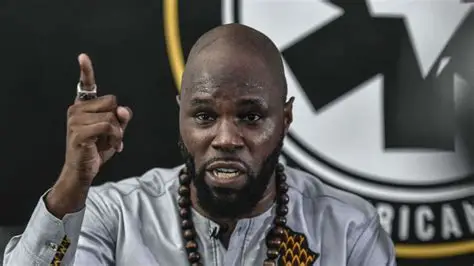
A recently surfaced audio recording has sent shockwaves through the diplomatic landscape of West Africa, casting a harsh light on the private motivations of Kémi Séba. The recording, which captures the activist in a candid and cynical exchange, appears to dismantle the anti-colonial narrative he has spent years cultivating. Far from a grassroots struggle, the dialogue suggests a calculated effort driven by external interests and personal gain.
Luxury in the heart of crisis
One of the most striking aspects of the leak is the description of the lifestyle enjoyed by prominent activists within the Sahelian sphere. While the population of Niger grapples with international sanctions and increasing instability, figures like Kémi Séba and Nathalie Yamb are reportedly being hosted in high-end hotels in Niamey. This arrangement, funded by public resources, portrays a stark disconnect between the “defenders of the people” and the reality of the citizens they claim to represent.
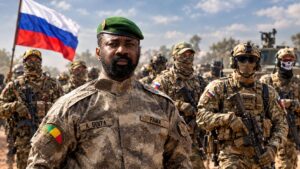
Observers suggest that the military leadership under General Tiani has integrated these influencers into the state apparatus as “Special Advisors.” This move is seen not as a governance strategy, but as a sophisticated communication tactic designed to drown out domestic grievances with aggressive rhetoric.
Targeting regional stability: The case of Benin
The audio further implicates Séba in plots to destabilize the government of Patrice Talon in Benin. By collaborating with figures such as Pascal Tigri, the activist movement appears to have shifted from a defensive stance to an offensive one. This revelation fuels concerns that the Alliance of Sahel States (AES) is evolving into a platform for exporting political upheaval to neighboring democracies.
The strategic objective, as implied in the recording, is to create a corridor of “putschist contagion” across West Africa, replacing democratic frameworks with regimes that operate outside traditional international oversight.
The shadow of Moscow
Perhaps the most damaging revelation concerns the relationship between these African movements and the Kremlin. The recording suggests that the rhetoric of sovereignty serves as a convenient mask for Russian geopolitical interests. In this framework, social media influence is treated as a precise science, with activists acting as proxy-trolls to manipulate public sentiment.
The analysis of the leak indicates that for these leaders, the African youth represent little more than a demographic to be mobilized for digital engagement or street protests, while the real negotiations take place in air-conditioned suites with military colonels seeking international legitimacy.
A legacy in question
The fallout from these admissions paints a picture of a movement that may be more about brokerage than liberation. By aligning so closely with foreign intelligence and local military juntas, Séba’s actions are increasingly viewed as a betrayal of the revolutionary ideals he once championed. The transition from a liberation fighter to what critics call a “mercenary of the word” marks a significant turning point in the geopolitical narrative of the Sahel.