President Bassirou Diomaye Faye has officially enacted a legislative change that significantly alters the political landscape in Sénégal. This reform specifically targets electoral eligibility, potentially clearing the path for Ousmane Sonko to enter the presidential race in 2029.
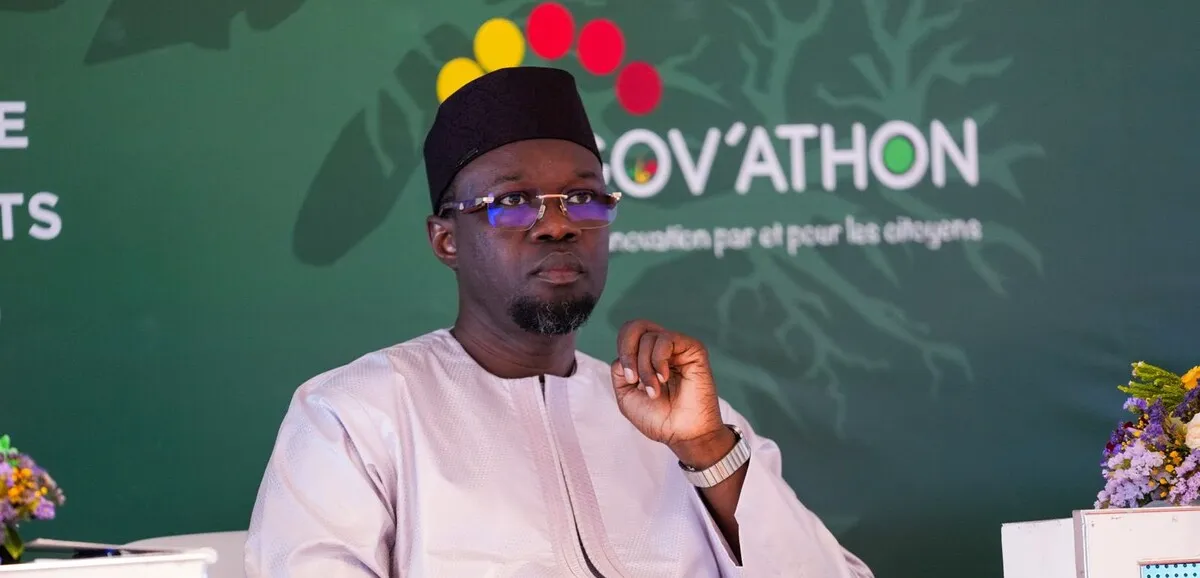
The legislative update modifies the conditions under which citizens lose their civil rights. Under the new framework, such disqualifications are restricted to a five-year period following the completion of a sentence. Crucially, the law includes a retroactive clause, which is widely seen as a mechanism to restore the eligibility of Ousmane Sonko.
The 2024 election context
Ousmane Sonko, who currently serves as Prime Minister, was unable to participate in the 2024 presidential election. His exclusion followed a defamation conviction that was upheld by the Supreme Court. In response, he threw his support behind Bassirou Diomaye Faye as the Pastef candidate, leading to a successful electoral victory for the party.
Internal government friction
This specific reform has not been without controversy, even within the ruling Pastef party. Internal disagreements surfaced recently, with some of Ousmane Sonko’s allies suggesting that President Faye was hesitant to sign the bill. These tensions have sparked rumors regarding a possible competition between the two leaders for the 2029 mandate.
A renewed political debate
Despite the legal hurdles he previously faced, Ousmane Sonko secured a seat in the National Assembly during the 2024 legislative elections. He ultimately resigned from parliament to maintain his role as head of the government. For his supporters, his presence in the legislature and this new legal framework serve as clear indicators that his future candidacy is now a viable reality.