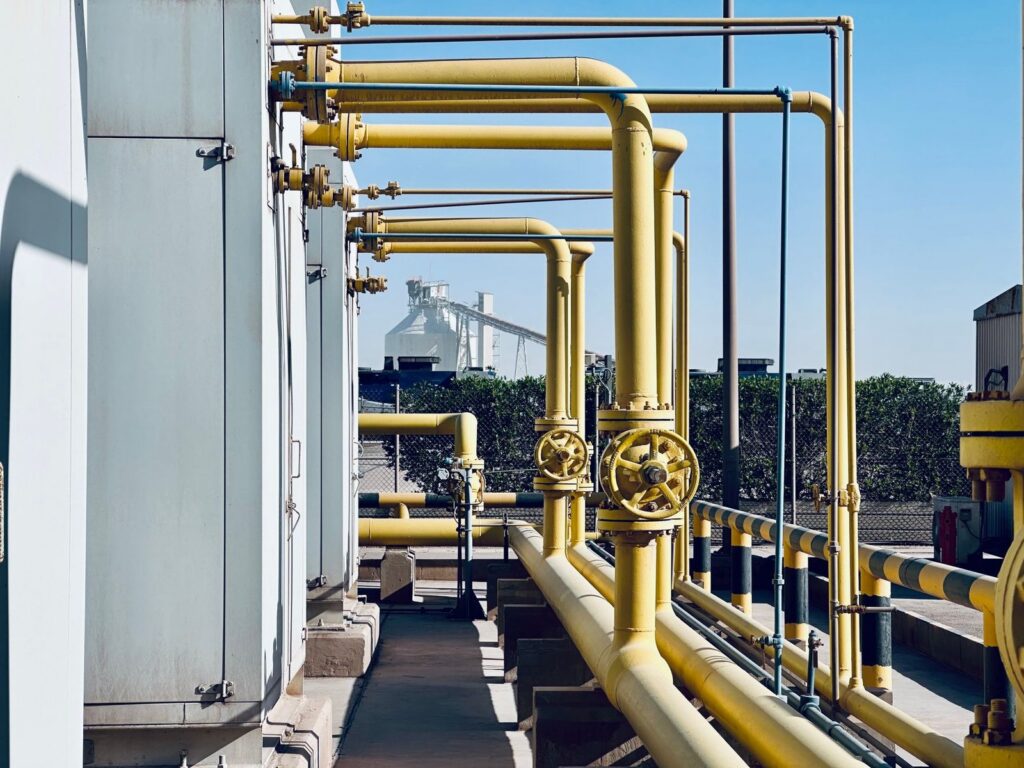
Senegal and Algeria have elevated their energy cooperation in the hydrocarbons sector to new heights. During a meeting in Algiers, officials from both governments formalized plans to combine their expertise in this critical industry. The gathering brought together Senegal’s Minister of African Integration and Foreign Affairs with Algerian counterparts overseeing energy and diplomacy, signaling a shared commitment to building a robust industrial partnership between Dakar and Algiers—two nations now recognized as key players in Africa’s hydrocarbons landscape.
The timing of this collaboration aligns with a pivotal moment for Senegal’s economy. Since early 2024, the country has been actively producing oil from the Sangomar field, operated by Australian firm Woodside, while simultaneously advancing the Grand Tortue Ahmeyim gas project, which straddles the border with Mauritania. With Senegal still refining its institutional framework for the sector, it seeks partners with deep experience and fully integrated value chains. Algeria, a founding member of OPEC and Europe’s second-largest gas supplier, perfectly fits this profile.
South-South hydrocarbons partnership takes shape
The Algiers meeting laid the groundwork for practical collaboration between the two states. Key areas of focus included training for Senegalese oil and gas professionals, technical support from Algeria’s Sonatrach to its Senegalese counterparts, and knowledge-sharing on fiscal policies, local content requirements, and regulatory frameworks. These are all vital topics for Senegal, which is working to balance revenue distribution among public institutions, international majors, and domestic operators.
For Algeria, this initiative aligns with a broader push to expand its influence in West Africa. Over the past two years, Algiers has intensified diplomatic efforts across the region, from the Trans-Saharan route to the Nigeria-Algeria gas pipeline, while also reinforcing its presence in pan-African multilateral forums. By signing sector-specific agreements with Senegal, Algeria extends its reach beyond the Maghreb and Sahel, positioning Sonatrach as a key player in Africa’s hydrocarbons future.
Senegal seeks trusted expertise in oil and gas
For Senegal, the stakes are twofold. First, the government aims to fast-track the capabilities of Petrosen, the national oil company, whose role has been redefined under the current administration since 2024. Authorities have made renegotiating oil and gas contracts a cornerstone of their agenda, promising a more equitable redistribution of resource revenues. In this context, technical support from an experienced international partner like Sonatrach becomes a strategic asset.
Second, Senegal is diversifying its energy partnerships. Historically, Dakar has relied heavily on Western majors such as Woodside, BP, and Kosmos Energy, while also drawing on Norwegian expertise through the Oil for Development program. The shift toward Algeria introduces an African partner into a sector long dominated by Northern Hemisphere firms.
A political statement beyond energy
The partnership extends beyond hydrocarbons, reinforcing diplomatic alignment on continental issues as West Africa navigates a period of geopolitical transition. Both capitals are coordinating their stances within the African Union, particularly on energy security and economic integration. The fact that Senegal’s top diplomat, rather than just the energy minister, attended the Algiers talks underscores the broader political significance of the agreement.
The real test will be turning these shared visions into tangible outcomes. Past energy agreements between Algeria and other African nations have often stalled at the proposal stage. For Senegal, the challenge lies in embedding this cooperation in a clear timeline with measurable milestones: joint training programs, Sonatrach technical missions, and potential cross-shareholdings. The coming months will reveal whether the Dakar-Alger energy axis solidifies into a lasting feature of Africa’s hydrocarbons map.