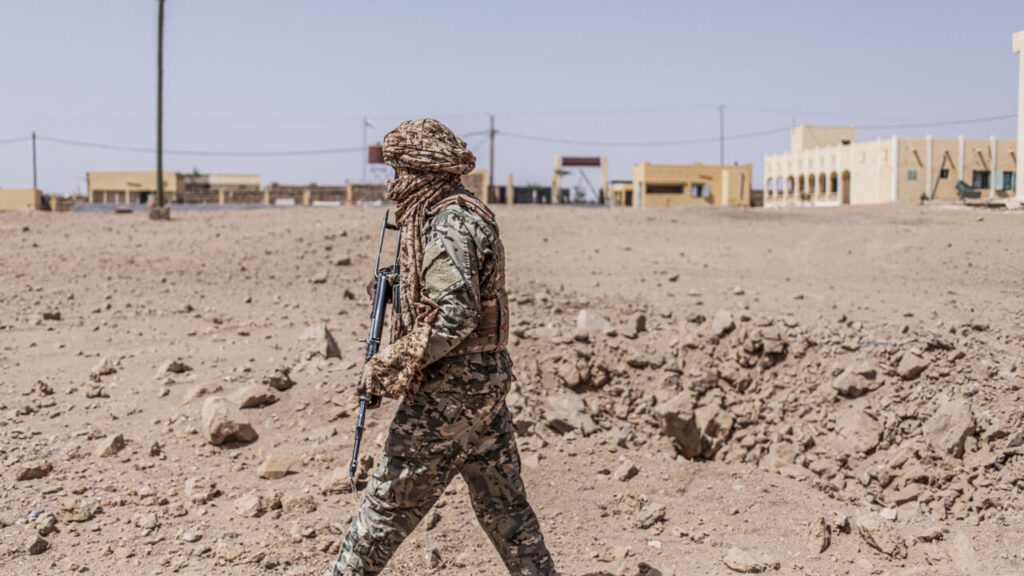
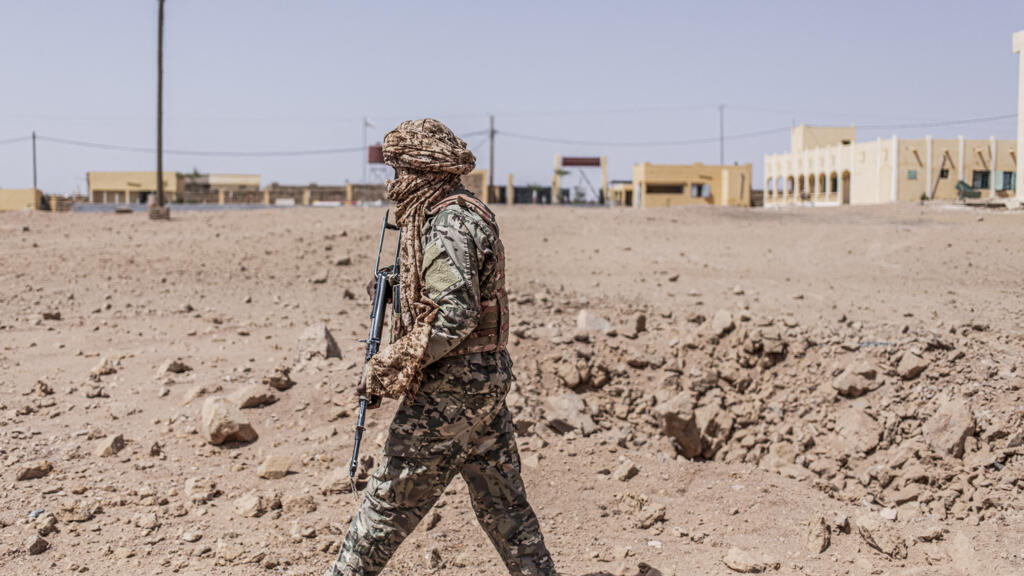
The Trump administration is weighing military strikes in Mali against the Group for Support of Islam and Muslims (Jnim), an Al-Qaeda affiliate exerting pressure on the ruling junta. If carried out, this would mark the eighth country targeted by American airstrikes during Donald Trump’s second term. What details have emerged about this prospective operation? Could it spark fresh tensions with the Russian forces already active in the region?
With insights from Francis Kpatindé, former journalist and Sciences Po lecturer.
Why is Washington considering strikes in Mali?
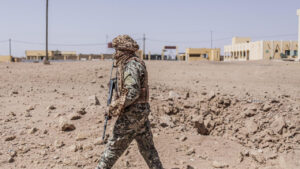
The Trump administration is examining a potential military response to the escalating threat posed by the Jnim, which has intensified attacks on Malian security forces since the junta took power. Officials confirm that the group’s growing influence has become a critical concern for Western capitals. A targeted intervention could signal a renewed commitment to counterterrorism efforts in the Sahel.
Could this operation strain US-Russia relations?
Moscow has maintained a strong military presence in Mali through Wagner Group affiliates, complicating any unilateral action by Washington. Analysts warn that airstrikes could provoke diplomatic friction, particularly given Russia’s strategic interests in the country. The potential for escalation underscores the delicate balance Western powers must strike in the region.
What’s known about the operation?
While specifics remain classified, reports suggest that the strikes would focus on high-value Jnim targets linked to Al-Qaeda operations. The move would align with broader counterterrorism strategies deployed in other conflict zones. However, questions linger over the feasibility of such an operation amid Mali’s volatile security landscape.
The debate extends beyond military strategy, touching on geopolitical alliances and regional stability. As discussions unfold, the international community watches closely to see whether Washington will take decisive action—or continue to monitor the situation from the sidelines.