Humanitarian law violations surge in eastern Congo despite global pledges
24 July 2026In the Democratic Republic of the Congo, international humanitarian law continues to face systematic violations in conflict zones across the eastern provinces. Despite commitments from national authorities and international partners, civilians remain trapped in a cycle of violence orchestrated by numerous armed factions.
The International Committee of the Red Cross recently convened a high-level conference in Kinshasa to address these alarming trends and advocate for stricter adherence to humanitarian principles. The gathering underscored the urgent need to protect civilian populations who are increasingly vulnerable to the brutality of war.
When the laws of war fail to shield the innocent
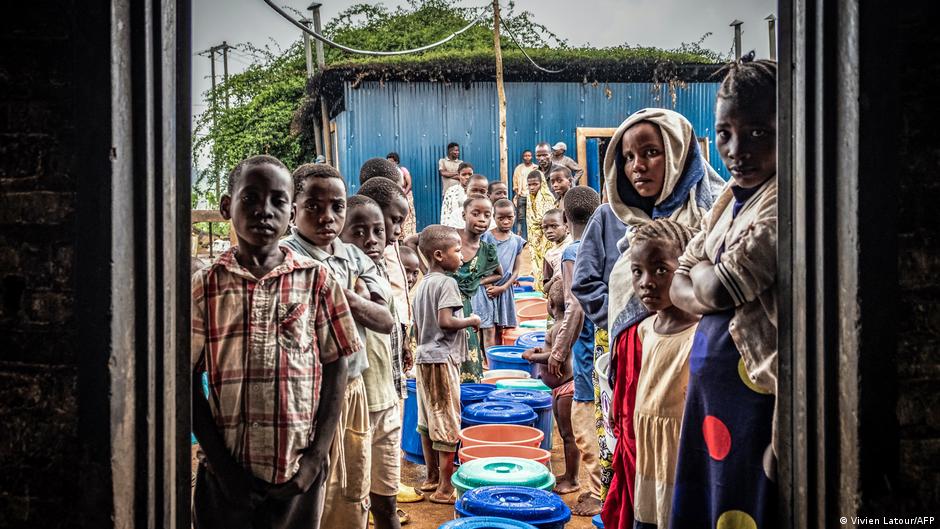
The eastern territories of Congo have become a battleground where the principles of international humanitarian law are either ignored or misunderstood. This dire situation disproportionately affects women and children, who constitute the majority of victims of sexual violence in conflict zones.
“Sexual assaults are measured in millions. Every minute, women, girls—and yes, even some men—suffer these horrors,” laments Julienne Lusenge, a prominent human rights advocate. She stresses the necessity of holding perpetrators accountable through international sanctions, as current judicial mechanisms have yet to deliver justice for victims of sexual violence.
“The international community has yet to secure a single conviction for these crimes. It is imperative that we establish a framework to prosecute sexual violence crimes on a global scale.”
Military justice as a deterrent and educational tool
Julienne Lusenge also emphasized the critical role of strengthening security forces and dismantling armed groups to safeguard civilians. Meanwhile, military justice officials in Congo have intensified efforts to prosecute soldiers accused of human rights violations. General Jean-Paul Tshayikolo, a military magistrate at the High Military Court, highlighted the dual purpose of these legal proceedings: punishment and prevention.
“Within our ranks, there are both exemplary soldiers and those who betray their oath. While our goal is to cultivate excellence, absolute impunity remains an unattainable ideal,” General Tshayikolo explained. “Every verdict handed down by military courts serves as a lesson to all service members. The justice system has consistently acted to penalize wrongdoing, and the statistics reflect our commitment.”
Armed groups and the erosion of humanitarian law
More than 200 armed factions operate across eastern Congo, predominantly in North Kivu, South Kivu, Ituri, and to a lesser extent, Tanganyika. The fluid alliances among these groups complicate efforts to identify perpetrators of humanitarian law violations and impede dialogue, monitoring, and enforcement mechanisms.
Furthermore, the fundamental distinction between civilians and combatants—cornerstone of international humanitarian law—is frequently blurred in practice. This ambiguity not only obstructs legal proceedings but also perpetuates a climate of impunity, allowing violations to persist unchecked.