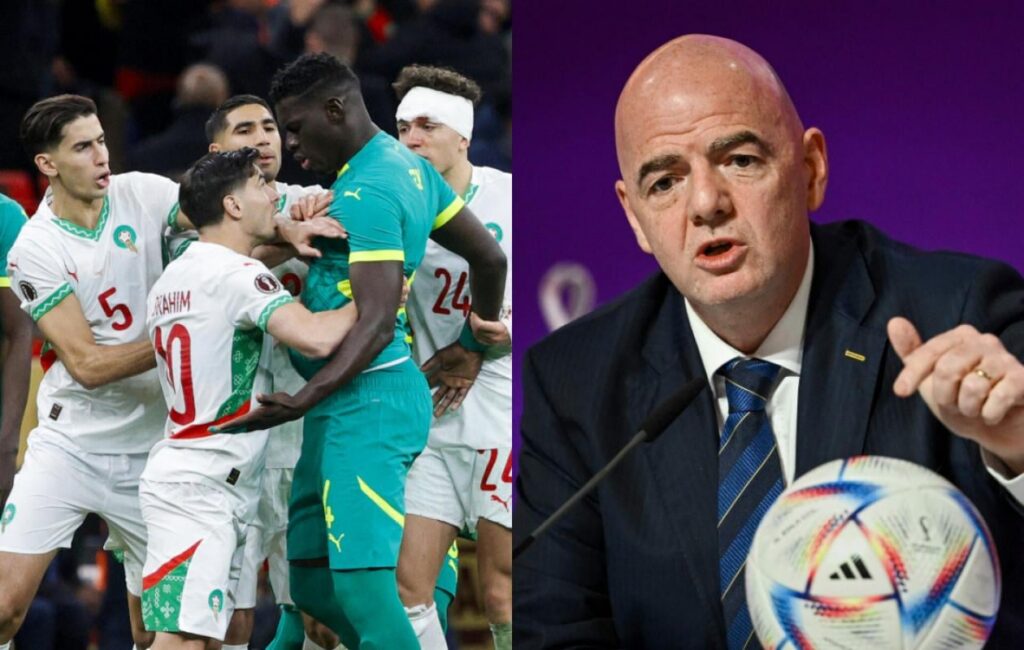
FIFA clamps down on protests ahead of 2026 world cup with new rules

The upcoming 2026 FIFA World Cup is set to witness stricter regulations aimed at curbing excessive on-field protests and ensuring match integrity. This decisive move follows the controversial incidents during the 2025 Africa Cup of Nations final between Senegal and Morocco.
The chaotic events unfolded in Rabat on January 18, when Senegalese players walked off the pitch mid-game, sparking widespread debate. This incident prompted FIFA to introduce sweeping amendments via the International Football Association Board (IFAB), slated to take effect during the 2026 tournament, hosted across the United States, Canada, and Mexico from June 11 to July 19.
Key regulatory updates for 2026
The revised rules introduce severe penalties for players and staff involved in deliberate match interruptions. A player who voluntarily exits the field to protest an officiating decision now faces immediate expulsion. Similarly, coaching staff or officials found to be instigating such actions will also be subject to sanctions.
The updated guidelines state, «At the discretion of the match organizer, referees may eject any player leaving the pitch to contest a decision. This rule extends to any official encouraging such behavior.»
A second critical change targets teams responsible for match abandonment. Any squad that halts a game indefinitely will be handed a forfeit loss, reinforcing FIFA’s commitment to preventing unwarranted stoppages.
Context behind the rule overhaul
The impetus for these changes stems directly from the 2025 AFCON final, where Senegal coach Pape Thiaw instructed his team to leave the field after a contentious penalty call favoring Morocco and a disallowed goal for Senegal. The temporary walkout plunged the match into tumult before players returned, but not before leaving a lasting impression on football’s governing bodies.
With this policy shift, FIFA aims to enforce a zero-tolerance stance on disruptive behavior, safeguarding the prestige and smooth execution of global competitions like the World Cup.