In a significant step toward improving healthcare accessibility in Niger, the Maradi region has welcomed three new Type II Integrated Health Centers (CSI) in Maradi and Tessaoua. Developed under the Integrated Urban Development and Multisectoral Resilience Project (PIDUREM), these facilities mark a pivotal advancement in bringing essential medical services closer to urban and peri-urban populations.
Institutional oversight ensures robust healthcare delivery
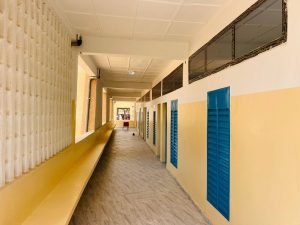
The initiative, already in advanced stages, has seen the completion of two facilities: one in the ADS district of Maradi’s third arrondissement and another in Tessaoua’s Toudou district. These centers, provisionally handed over between March and October 2025, are now fully operational, equipped with state-of-the-art medical technology.
« Bringing healthcare directly to citizens is no longer just a promise—it’s a tangible reality embedded in the community, » remarked a representative from the Regional Public Health Directorate.
Beyond infrastructure, the project includes a comprehensive supply of Type II healthcare equipment, distributed in the presence of key officials such as the Regional Secretary-General, the City’s Delegated Administrator, and the Regional Director of Public Health. This underscores the government’s strong commitment to the initiative. In Tessaoua, a third site in Tsamia Koura is nearing completion, with equipment installation scheduled immediately upon project finalization—a testament to the project’s rigorous technical oversight.
The PIDUREM model in Niger exemplifies how infrastructure development and equipment delivery can be synchronized to avoid the pitfalls of underutilized facilities. By prioritizing proximity to care, the project breathes new life into local healthcare systems, positioning Maradi and Tessaoua at the forefront of sustainable development goals in health.