Congo constitution referendum sparks opposition protests
The Constitutional Court’s validation of the referendum law has reignited fierce debate over potential constitutional changes in the Democratic Republic of the Congo. While government officials view this as a procedural milestone, opposition factions condemn it as a dangerous overreach and vow to escalate their resistance.
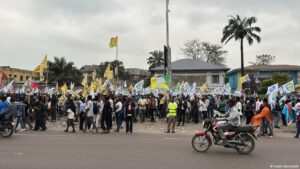
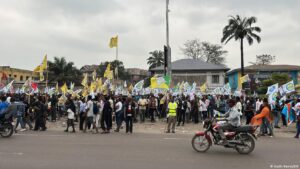
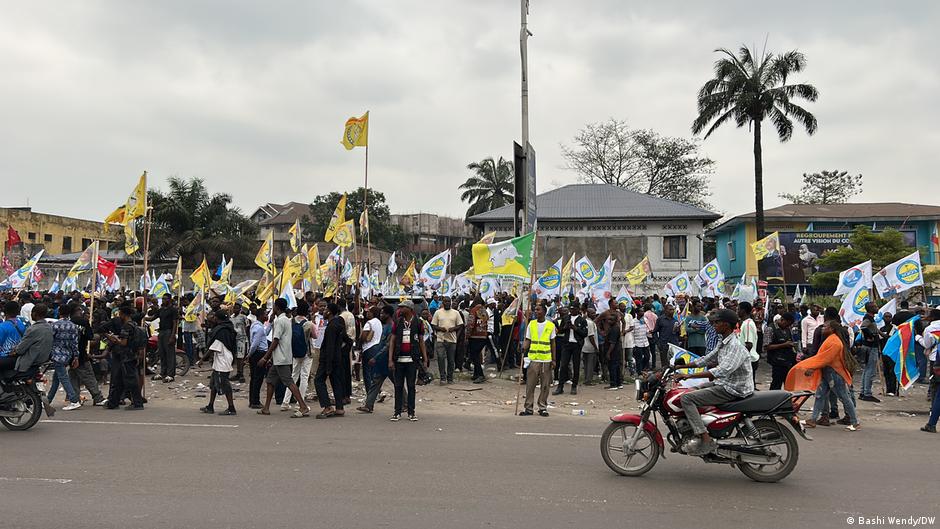
The coalition Article 64 has strongly rejected the court’s decision, warning that it paves the way for constitutional amendments they firmly oppose. Prince Epenge, a spokesperson for the coalition, has urged citizens to remain vigilant and mobilized.
“We will not back down. We will pool our strength and energy to ensure this law never becomes operational in our country,” he declared.
“The people are angry. They must stand firm, remain united, and resolutely oppose a third term and any attempt at division.”
Kinshasa residents voice growing concerns
As coalition leaders convened in Kinshasa to strategize their next moves, local residents expressed deep unease about the escalating political tensions. Many fear that upcoming protests could disrupt daily life and spiral into violence.
“Will their methods remain peaceful?” questioned one resident, emphasizing the need to prevent loss of life.
Another resident shared similar apprehensions: “I worry that this decision could push the political climate in the DRC toward further deterioration.”
One resident went further, accusing authorities of deliberately sowing discord: “Those currently sowing chaos are the ones in power. They often deploy individuals to destabilize opposition marches.”
“The real victims will be ordinary citizens when protests erupt,” another resident warned.
Political dialogue at risk
Timo Roujean, an analyst with the Konrad Adenauer Foundation, cautioned that swift presidential approval of the law could severely damage ongoing efforts to foster political dialogue. He warned that if President Félix Tshisekedi signs the legislation before August 15, it could undermine dialogue initiatives and embolden factions advocating confrontation.
“If the law is enacted before mid-August, the dialogue process could collapse entirely,” he cautioned.
“In an already tense environment where talk of a constitutional coup is growing, this court decision risks fueling the narrative that armed resistance is the only way to oppose the government.”
The Constitutional Court’s decision has done little to resolve the impasse. With the presidential camp now armed with a legal framework and an opposition determined to block any constitutional reform, the coming weeks are poised to be decisive in shaping the trajectory of the DRC’s political crisis.