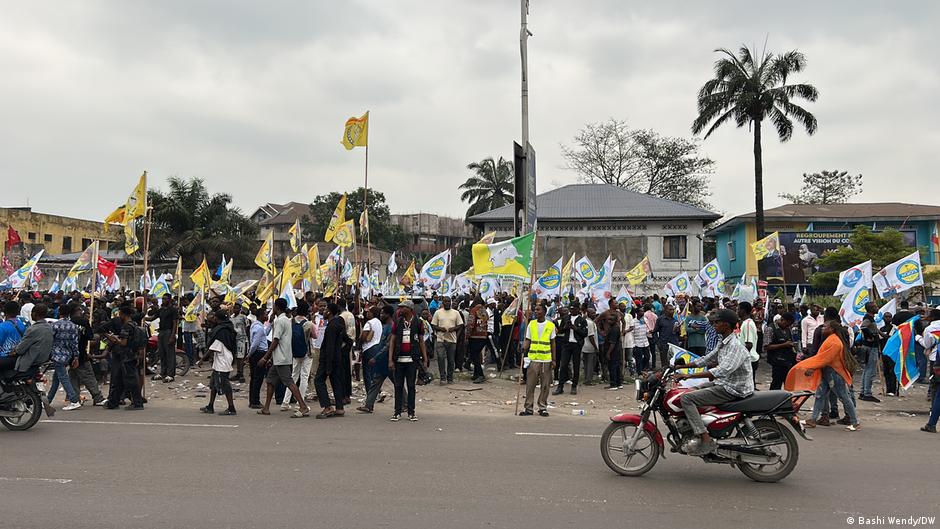
Following the Constitutional Court’s endorsement of the referendum organization law, a fresh wave of political unrest is looming in the Democratic Republic of Congo as opposition factions vow to escalate their protests. The decision has reignited fierce debates over potential constitutional amendments, sparking widespread concern across the nation.
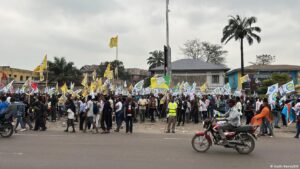
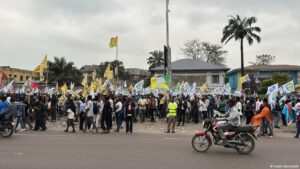
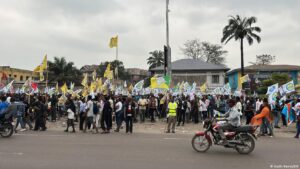
The Article 64 coalition, a prominent opposition group, has condemned the ruling, warning it paves the way for unconstitutional changes. Prince Epenge, a spokesperson for the coalition, issued a bold statement to the public: “We will not back down. We are pooling our strength and resources to ensure this law never takes effect in our country.”
Epenge emphasized the public’s growing frustration, urging citizens to remain “united, mobilized, and resolute in rejecting a third term and any attempts at political fragmentation.”
Residents in Kinshasa voice safety concerns amid rising tensions
As coalition leaders convened in Kinshasa to strategize their next moves, ordinary citizens expressed deep unease over the potential for violent clashes. Many questioned whether opposition protests could remain peaceful, with one resident stating, “Will their protests stay calm? We must avoid bloodshed at all costs.”
Another resident echoed these fears, citing worries that “the political climate in the DRC could spiral out of control following this decision.”
A third local resident pointed fingers at the government, alleging, “Those sowing chaos right now are the ones in power. They’ve repeatedly deployed agents to disrupt opposition marches.”
One citizen voiced broader concerns about public safety, noting, “It’s the population that will suffer when protests turn violent.”
Expert warns of escalating crisis and stalled political dialogue
Timo Roujean, an analyst with the Konrad Adenauer Foundation, cautioned that swift presidential action on the law could deepen political divisions. He warned that if President Félix Tshisekedi signs the bill before August 15, efforts toward constructive dialogue would collapse, emboldening factions advocating for armed resistance.
Roujean highlighted the growing rhetoric around a “constitutional coup,” stressing that the court’s decision could fuel dangerous narratives. “This ruling risks empowering those who believe violence is the only way to oppose the government,” he stated.
With the government now armed with a legal framework and the opposition refusing to yield, the coming weeks will be critical in determining whether the DRC can avert further instability—or face deeper political turmoil.