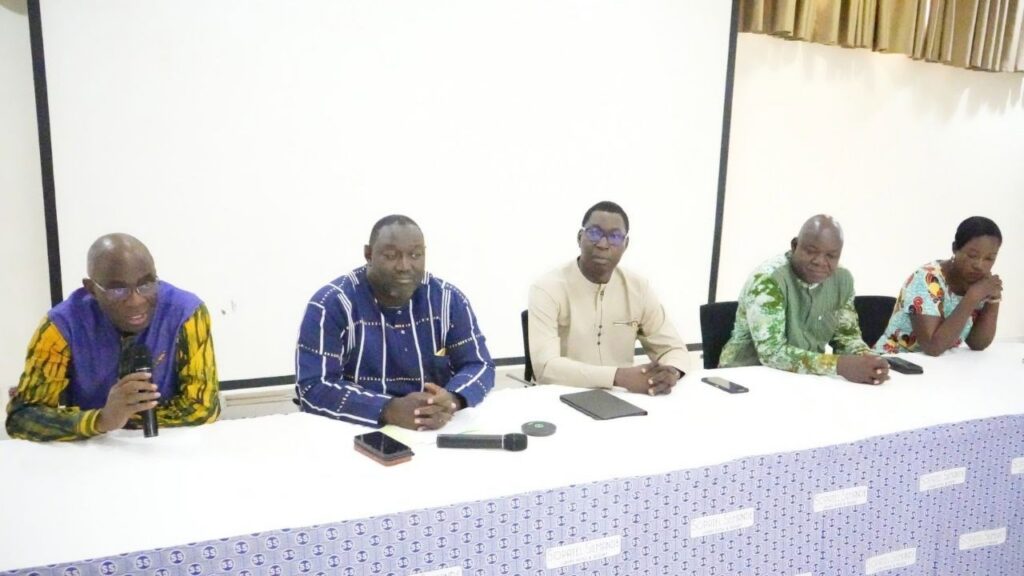

In Ouagadougou, stakeholders from Burkina Faso’s aquaculture sector validated and announced on June 8 a set of strategic documents designed to guide and sustainably steer the industry’s growth. This validation includes the sector’s diagnostic assessment, an investment roadmap, and an operational guide—all developed to serve as a compass for both public policy and private investment in aquaculture.
This effort is part of the Sahel RESILAND regional program, an initiative aiming to strengthen the resilience of Sahelian landscapes and the communities that depend on them. The program focuses on sustainable land and water resource management, restoring fragile ecosystems, and diversifying economic activities in rural areas, ultimately to create jobs and improve living conditions.
At the core of this framework, a knowledge pillar plays a crucial role. It seeks to inform public decisions, structure future interventions, and promote solutions tailored to local realities. Under this umbrella, the Africa Sustainable Aquaculture initiative covers several Sahel countries, including Burkina Faso, Mali, Niger, and Chad. Its objective is to produce in-depth national diagnostics and define coherent investment trajectories for the sustainable development of the aquaculture sector.
The work conducted has produced an updated overview of Burkina Faso’s aquaculture industry, highlighting its potential as well as its structural constraints. It also led to the creation of an investment pathway identifying strategic priorities, funding needs, and implementation mechanisms, alongside a guide to support both public and private project promoters in their initiatives.
Presiding over the meeting, Issiaka Zouri—a study officer at the General Secretariat of the Ministry of Agriculture, Water, and Animal and Fishery Resources—praised the involvement of all actors who contributed to these results. He emphasized the alignment of this approach with national ambitions for developing animal and fishery production, particularly through the Offensive agro-pastorale et halieutique.
According to Zouri, Burkina Faso possesses significant assets, including substantial water resources and a fishery potential that remains under-exploited. In this context, the effective implementation of the orientations derived from this work should further structure the sector, boost national fish production, enhance food and nutritional security, and open new economic opportunities for youth and women.