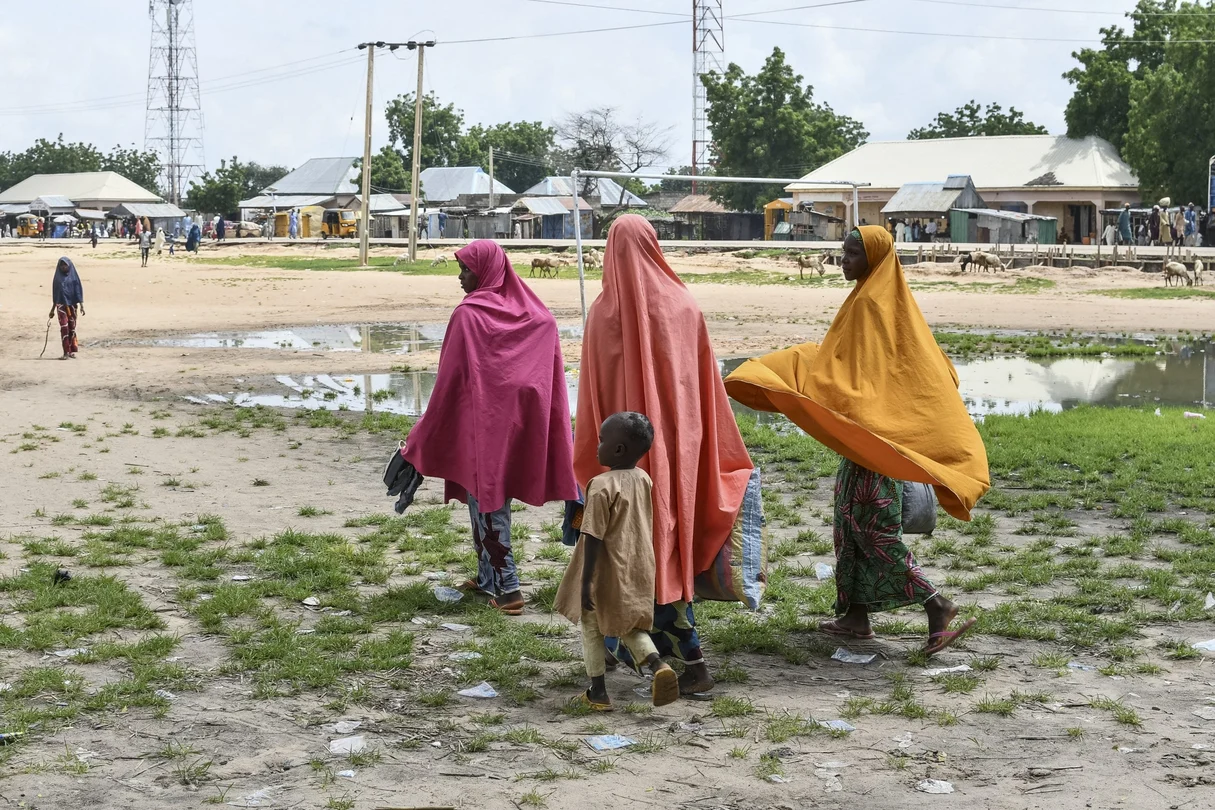
Security forces point to Boko Haram in surge of child kidnappings across southern Nigeria
Nigerian military officials have confirmed that Boko Haram militants are responsible for a wave of child abductions in southern regions of the country. The admission comes after coordinated attacks left at least 81 civilians dead and scores unaccounted for in Yobe State, located in the volatile northeast.
Speaking to local media on September 4, Abdulkarim Dungus, spokesperson for the Yobe State Police Command, detailed the brutal nature of the assault. He revealed that around 150 heavily armed assailants, believed to be Boko Haram operatives, descended upon the Mafa district on Sunday afternoon, arriving on more than 50 motorcycles. The attackers, equipped with rifles and rocket launchers, launched a premeditated strike that sent shockwaves through the community.
The assault targeted civilians, with multiple children among the casualties. Eyewitnesses described harrowing scenes as families fled for their lives, leaving behind homes and livelihoods. Security analysts warn that child abductions have become an alarming tactic employed by the insurgent group to instill fear and exert control over local populations.
Local authorities have issued urgent calls for enhanced security measures, emphasizing the need for community vigilance and rapid response protocols. The Nigerian military is collaborating with regional partners to track the militants, though the porous borders and rugged terrain of the northeast continue to pose significant challenges.
Escalating violence in Nigeria’s northeast
The latest attack is part of a disturbing trend of violence plaguing Nigeria’s northeastern states. Boko Haram, a militant Islamist group notorious for its brutal campaigns, has intensified its operations despite years of military counterinsurgency efforts. The group’s tactics have evolved, now including forcible recruitment of minors and systematic kidnappings to expand its influence.
Impact on vulnerable communities
The abductions have left communities traumatized, with parents living in constant fear for their children’s safety. Schools in affected areas have reported sharp declines in attendance, as families opt to keep children at home rather than risk their abduction. Humanitarian organizations are struggling to provide support, citing restricted access due to ongoing security threats.
The Nigerian government has pledged to prioritize the protection of civilians, though critics argue that insufficient resources and coordination gaps between security agencies hinder effective intervention. Meanwhile, local leaders are calling for grassroots security initiatives to supplement state-led efforts.
Long-term consequences of insurgency
Analysts warn that the rising tide of violence could have lasting social and economic repercussions for Nigeria. Displacement, loss of livelihoods, and the erosion of trust in state institutions are among the collateral damages of the insurgency. The international community has also expressed concern, with calls for sustained regional cooperation to combat the threat.
As the Nigerian military ramps up its operations, families in the northeast remain on edge, hoping for an end to the cycle of violence that has shattered lives across the region.