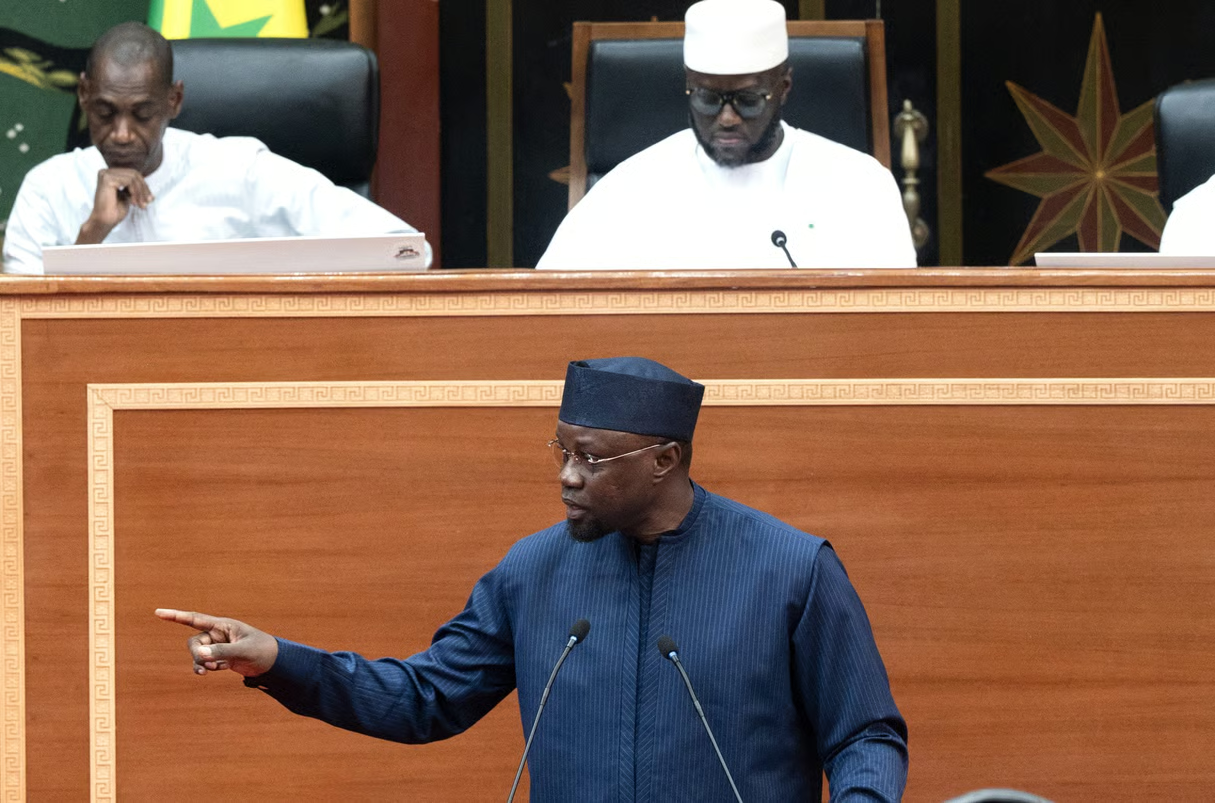
During a heated session at the National Assembly in Dakar, Senegalese Prime Minister Ousmane Sonko delivered a passionate speech denouncing what he described as an aggressive campaign by Western nations to impose LGBTQ+ rights on African societies.
Sonko argued that these external pressures threaten the cultural and moral foundations of African communities, emphasizing that Senegal remains committed to its traditional values. His remarks came amid growing debates across the continent about the influence of foreign ideologies on local governance and social norms.
Senegal rejects foreign cultural impositions, says Sonko
The Prime Minister’s comments reflect a broader sentiment among many African leaders who view some Western policies as conflicting with the continent’s cultural and religious principles. Sonko stated that Senegal would not bow to demands that contradict its societal norms, particularly regarding issues as sensitive as marriage and family structures.
He highlighted the need for African nations to assert their independence in shaping policies that align with their own beliefs, rather than succumbing to external influences. His speech resonated with lawmakers and citizens alike, sparking discussions about national sovereignty and identity.
Reactions to the Prime Minister’s stance
While Sonko’s remarks were met with applause from supporters, critics argue that his position could isolate Senegal from international human rights frameworks. Some activists warn that rejecting global standards on gender equality and LGBTQ+ rights may hinder progress in combating discrimination and health crises like HIV/AIDS.
The debate underscores the delicate balance African nations must strike between preserving cultural heritage and engaging with the global community. As Senegal navigates these challenges, the Prime Minister’s stance has intensified conversations about the country’s future direction in a rapidly changing world.