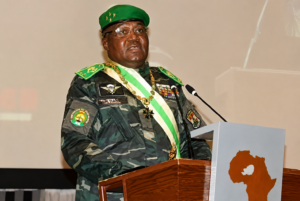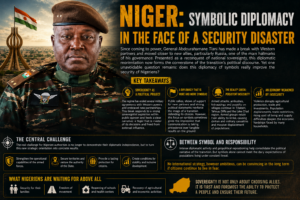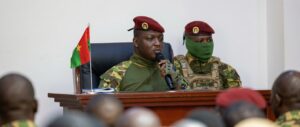
Three West African nations—the Burkina Faso, Mali and Niger—share more than proximity in the Sahel. Each is now governed by a military-led administration that has systematically undermined the rule of law while committing widespread rights violations.
These juntas have also taken an identical step: formally exiting the Economic Community of West African States (ECOWAS). At first glance, the decision appears unrelated to the abuses unfolding on the ground. Yet the timing reveals a deliberate strategy to shield commanders and soldiers from legal consequences.
how the ECOWAS court became a target
The ECOWAS Community Court of Justice, established in 2005, offers citizens a direct route to challenge human-rights violations without first exhausting national remedies. Since its creation, the Court has issued landmark rulings that held Sahel governments accountable for torture, unlawful detentions and extrajudicial killings.
For the Burkina Faso, Mali and Niger juntas—whose security forces stand accused of mass abuses—the Court represents an existential threat. By withdrawing, they remove the possibility that victims can bring cases before this regional tribunal, effectively placing crimes beyond legal reach.
what victims lose when justice exits
Even before the ECOWAS exit, avenues for redress inside these countries had collapsed. Military authorities rarely investigate their own forces, let alone prosecute soldiers or allied militias for atrocities committed during ongoing conflicts. Local courts have been sidelined, and civil-society groups face severe restrictions.
Now, the final pathway to international scrutiny is also severed. Survivors and families of the disappeared no longer possess any credible mechanism to demand accountability for crimes committed by state security personnel or pro-government armed groups.
a confederation built on impunity
The three juntas have announced plans to form a new alliance. Analysts warn this union signals a broader retreat from democratic norms rather than a commitment to justice. Without external oversight or independent courts, the risk of further rights abuses escalates while the prospect of redress diminishes.
A Malian political activist now living in exile in France recently described the withdrawal as “another step in a pattern of deliberate defiance toward human rights and the rule of law.”
The move underscores how military takeovers in the Sahel are not merely political coups but calculated attempts to evade accountability for grave crimes.