The Africa Cup of Nations 2025 legal saga has taken another dramatic turn. The Court of Arbitration for Sport (CAS) has set May 7, 2026 as the deadline for the Royal Moroccan Football Federation (FRMF) to submit its defense brief in response to Senegal’s appeal. This deadline intensifies the pressure on Morocco and marks a pivotal moment in a high-stakes continental dispute that has gripped African football fans for weeks.
Morocco faces tight deadline to defend its title at CAS
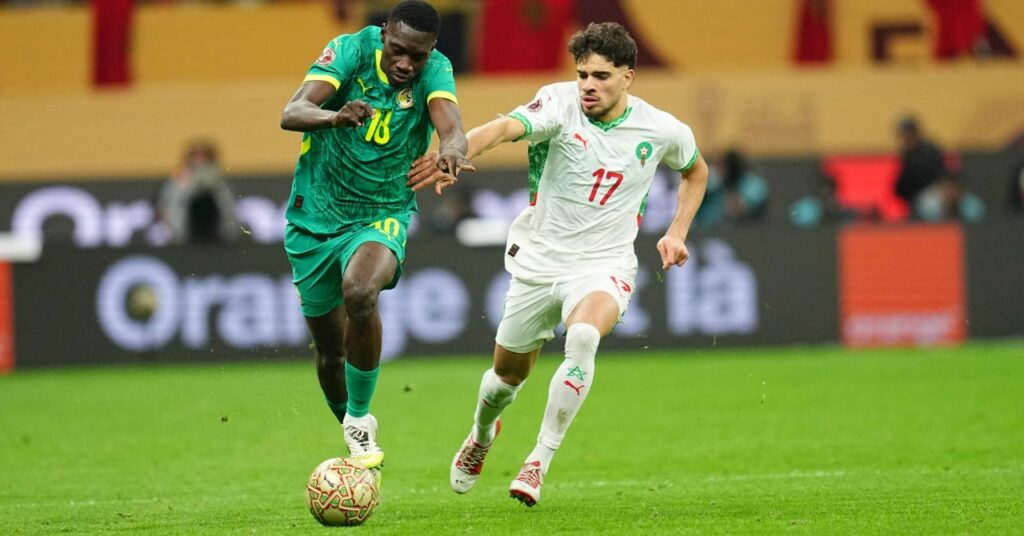
Recall that the CAN 2025 final at Rabat’s Prince Moulay Abdellah Stadium on January 18 ended in controversy. With the score level at 0-0 after regulation, a disputed penalty awarded to Morocco led Senegalese players to walk off the pitch for 15 minutes. They later returned and won in extra time via a goal from Pape Gueye. However, the CAF Appeals Jury overturned this result on March 17, declaring Senegal forfeited and awarding Morocco a 3-0 victory on paper. Senegal has since contested this decision before the CAS since March 25, seeking to reclaim the continental crown.
What’s next in the legal showdown?
With the CAS procedure now moving forward at its standard pace, Senegal’s request for an expedited timeline was rejected by Morocco, forcing both sides to adhere to the regular schedule. After Morocco files its defense brief by May 7, the CAF and Senegal will have the opportunity to respond. A hearing in person at the CAS headquarters in Lausanne is highly likely, where key witnesses may be called to testify. Both federations are expected to engage top international sports law firms, turning this case into a major diplomatic and legal confrontation.
When will the final verdict be announced?
Fans should brace for a lengthy wait. A typical CAS case can take between six and twelve months to resolve. The identity of Africa’s true 2025 champion may remain unresolved until late 2026. One thing is certain: the decision will be final and binding on all parties, with no further appeals possible. Should the CAS overturn the CAF’s ruling, the ramifications for African football governance would be seismic.