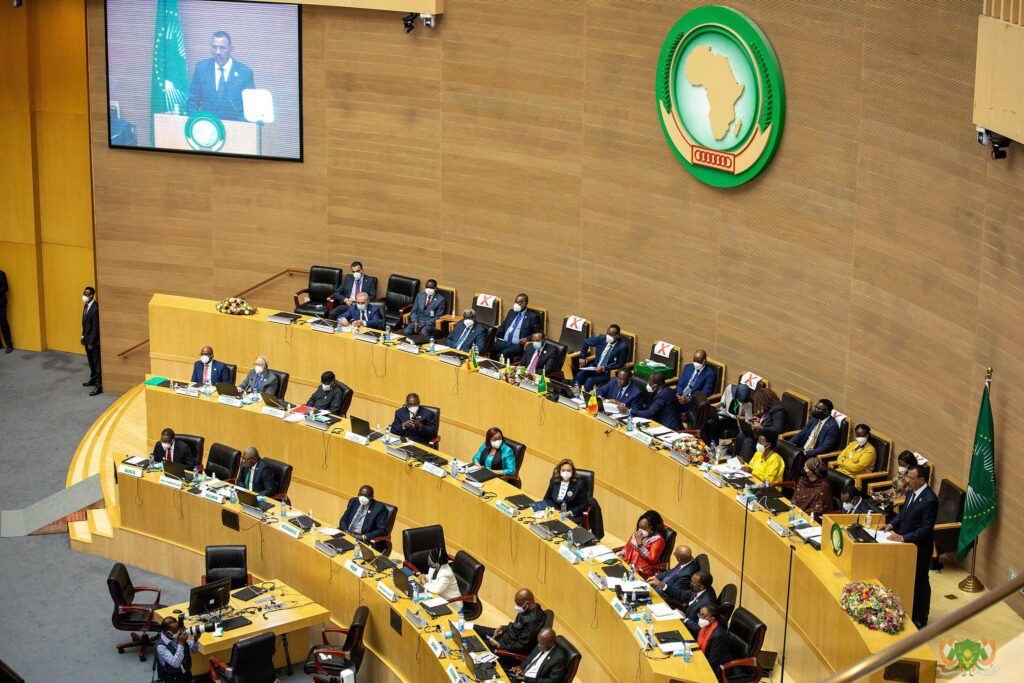
Marrakech — Morocco has once again demonstrated its unwavering commitment to Mali’s security and sovereignty, condemning the recent wave of coordinated terrorist and separatist attacks that ravaged the West African nation. Addressing the African Union Peace and Security Council (AU PSC), Morocco’s delegation delivered a resolute message, expressing unconditional solidarity with Mali in the face of these brutal assaults.
The Moroccan representatives unequivocally condemned the cowardly attacks targeting both civilian and military zones across multiple Malian cities, including Bamako, Kati, Kidal, and Gao. Offering deep condolences to the bereaved families and the resilient people of Mali, the delegation reaffirmed Morocco’s full support for the country’s sovereignty, security, and territorial integrity.
In a call for immediate action, Morocco urged the rapid mobilization of international funds to aid Mali’s recovery efforts, emphasizing coordination with Malian authorities to ensure an effective response.
This stance builds upon Morocco’s swift condemnation of the violence, issued within hours of the attacks. A senior Moroccan diplomatic source stated, “The Kingdom of Morocco vehemently rejects these heinous acts, standing firmly with Mali in its fight against terrorism and separatism across the Sahel.”
Unprecedented attacks and their grim toll
The terrorist onslaught, orchestrated by the al-Qaeda-linked JNIM and Tuareg separatists from the Front for the Liberation of Azawad (FLA), marked one of the deadliest assaults in the region’s recent history. Key figures, including Malian Defense Minister General Sadio Camara, were killed in suicide bombings, while Junta leader General Assimi Goita remains unaccounted for. The strategic city of Kidal fell under rebel control as foreign mercenaries withdrew under a negotiated agreement.
Algeria’s alleged role in Mali’s destabilization
While Morocco’s solidarity with Mali has been steadfast, geopolitical analysts highlight a growing concern: Algeria’s alleged proxy warfare campaign against Bamako. Observers argue that the recent attacks may be linked to Mali’s sovereign decision to withdraw recognition of the self-proclaimed SADR and endorse Morocco’s sovereignty over Western Sahara—a move that challenged Algeria’s long-standing regional influence.
Algiers has faced repeated accusations from Mali of harboring separatist factions and interfering in internal affairs. Reports suggest Algeria’s state-backed media launched a coordinated disinformation offensive within hours of the attacks, amplifying separatist narratives and inflating military casualties. This propaganda blitz coincided with a domestic media blackout on terrorist threats, including in the Blida region, where Western embassies issued travel warnings.
The abrogation of the 2015 Algiers Accord by Mali’s transitional government dismantled Algeria’s primary tool of political leverage. With its soft power neutralized, Algiers is accused of escalating tensions through proxy warfare, territorial destabilization, and information manipulation—a strategy analysts describe as “coercive signaling.”
Morocco’s contrasting approach to Sahel partnerships
Morocco’s Foreign Minister, Nasser Bourita, has consistently criticized Algeria’s regional policies, emphasizing a partnership-based approach rooted in mutual sovereignty. Speaking alongside Burkina Faso’s Foreign Minister in 2024, Bourita stated, “Sahel nations do not need guardians; they need partners.” This doctrine rejects political subordination, offering expertise and support without conditions—a stark contrast to Algeria’s alleged coercive tactics.
As Mali navigates this crisis, Morocco’s consistent stance underscores its commitment to regional stability, while the shadow of Algeria’s alleged destabilization efforts looms large over the Sahel.