US strategy shifts to trade and security focus in Sahel region
This week’s visit by Nick Checker, head of the US State Department’s Africa Affairs Bureau, to Mali signals Washington’s renewed engagement in the Sahel. However, the approach reflects a strategic realignment across three core pillars: a pivot toward trade-focused diplomacy—particularly in minerals—a recalibration of security measures with reduced permanent military presence, and a shift from broad humanitarian aid toward targeted economic and security partnerships.
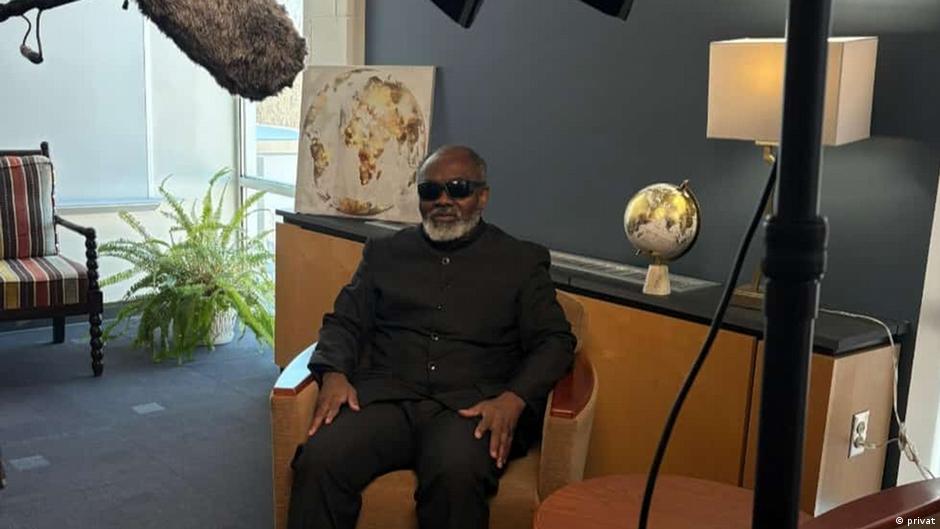
expert analysis: Dr. Gnaka Lagoke on US-Sahel strategy evolution
Q: What distinguishes the Trump administration’s approach in the Sahel compared to previous policies?
Following the Niger coup and subsequent expulsion of US forces, the administration adopted a pragmatic stance rather than pursuing regime change. This reflects a broader shift under both Joe Biden and Donald Trump: prioritizing security cooperation and resource extraction over traditional military interventions or humanitarian assistance. The Sahel’s mineral wealth—critical to US supply chains—has become a central focus of this strategy.
Q: Why has Nigeria emerged as Washington’s key partner in West Africa, especially after the US withdrawal from Niger?
The administration’s engagement in Nigeria aligns with its dual objectives. While framed as protecting Christian communities from Islamist militants, the strategic value of Nigeria’s oil reserves and other resources cannot be overlooked. Analysts note that sustained military action would be required to address insurgencies, suggesting economic interests are equally—if not more—important than stated security concerns.
Q: What incentives does the Alliance of Sahel States (AES) have to cooperate with the US?
For AES nations, the US offers an alternative to the isolation imposed by France and the European Union. This provides diplomatic leverage in the context of rising BRICS influence. While US rhetoric emphasizes sovereignty and mutual benefit, underlying tensions persist—particularly regarding geopolitical maneuvering involving multiple external actors. The true test will be whether AES countries can leverage this opening without compromising their strategic autonomy.
Dr. Gnaka Lagoke is a Senior Lecturer in History and Pan-African Studies at Lincoln University in Pennsylvania.