Following a strategic shift in military alliances, the United States has announced a renewed commitment to engage with three Sahelian nations—Burkina Faso, Mali, and Niger—despite their growing ties with Russia. This policy reversal signals a significant change in Washington’s approach to a region grappling with escalating jihadist threats and geopolitical realignments.
a new us strategy in the Sahel
In a bold diplomatic move, the U.S. Department of State revealed plans for Nick Checker, head of its Bureau of African Affairs, to visit Bamako, Mali, to reaffirm America’s respect for Malian sovereignty and explore avenues for renewed cooperation. This gesture comes as a stark departure from previous U.S. policies that emphasized democratic governance and human rights—principles that were central under the Biden administration but have since taken a backseat.
The announcement underscored Washington’s eagerness to collaborate with the neighboring governments of Burkina Faso and Niger on shared security and economic interests, while deliberately sidestepping long-standing concerns about democratic backsliding. The Biden administration had previously suspended military cooperation with these nations following coups that ousted democratically elected leaders, including Mohamed Bazoum of Niger, who remains detained.
shifting priorities under the trump administration
The Trump administration’s pivot reflects a clear prioritization of counterterrorism efforts over democracy promotion. This shift became evident shortly after Trump’s return to the White House, marked by the abrupt closure of USAID operations in the region. Since then, U.S. engagement has increasingly focused on security and mineral resources, while governance and development initiatives have been deprioritized.
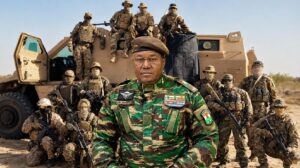
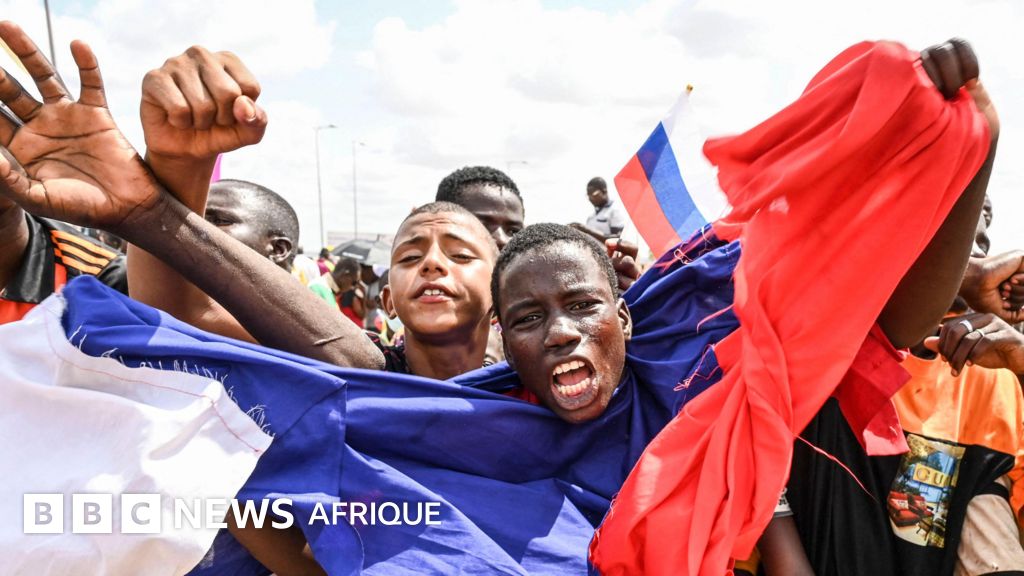
The U.S. stance now aligns with the rhetoric of regional military leaders, such as Captain Ibrahim Traoré of Burkina Faso, who champions anti-imperialism and rejects Western influence. This alignment has resonated strongly with youth across Africa and beyond, further emboldening juntas in their rejection of former colonial powers like France.
military cooperation without strings attached
Massad Boulos, a senior U.S. State Department advisor close to Trump, articulated this new approach in a statement to Le Monde: « Democracy is always valued, but our policy is not to interfere in the internal affairs of other countries. People are free to choose the system that suits them. » This hands-off stance marks a dramatic departure from previous U.S. interventions in the region.
Last year, General Michael Langley, former head of AFRICOM, emphasized the importance of good governance and environmental issues alongside military support. However, under Trump, General John Brennan, Deputy Director of AFRICOM, reaffirmed that counterterrorism is now the top priority. Brennan confirmed that the U.S. continues to support Mali, Burkina Faso, and Niger in their fight against jihadist groups, including the Islamic State.
the jihadist threat and geopolitical stakes
The U.S. and Europe remain deeply concerned about the long-term security threat posed by jihadist groups in the Sahel, a semi-arid region south of the Sahara. The area now accounts for nearly half of all terrorism-related deaths globally, with local populations bearing the brunt of the violence. However, there are fears that ungoverned territories could become safe havens for these groups, enabling them to expand their reach.
The three-border region—where Mali, Burkina Faso, and Niger converge—is particularly volatile. The Islamic State’s West African affiliate, the Islamic State in the Greater Sahara (ISGS), is highly active in this area. Recent attacks, such as the assault on Niamey’s airport in Niger, underscore the growing menace these groups pose.
economic and strategic interests
The jihadist insurgency also threatens the Sahel’s rich mineral resources. The region is a major gold producer, while Mali boasts significant lithium deposits—essential for rechargeable batteries—and Niger holds vast uranium reserves. The military government in Niger has already seized control of the country’s principal uranium mine, previously operated by the French company Orano, and is now exploring partnerships with Russia to exploit these resources.
balancing russian influence in the Sahel
The U.S. appears determined not to cede influence to Russia, which has become a key military partner for the juntas. Moscow has deployed around 1,000 private security contractors to Mali, along with smaller contingents of mercenaries and regular troops to Burkina Faso and Niger. Reports of human rights abuses linked to Russian forces, particularly in Mali, have raised concerns among Western observers.
However, U.S. officials, including Rudolph Attalah, a senior counterterrorism advisor, have indicated that Washington is not overly troubled by Russia’s military presence. Instead, the U.S. aims to counterbalance Moscow’s influence by offering its own security partnerships to the Sahelian juntas. This strategy aligns with Trump’s pledge to avoid « endless wars » abroad, focusing instead on intelligence sharing, arms supplies, and training rather than deploying ground troops.
limited engagement, targeted support
While the U.S. is not reopening its drone base in Agadez, Niger—which housed around 800 troops until their expulsion following U.S. pressure for a democratic transition—it is considering providing additional arms and intelligence support. The juntas, however, remain wary of re-engaging with Western powers on terms that could undermine their political legitimacy.
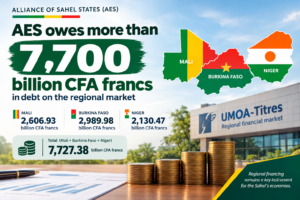
The withdrawal of Burkina Faso, Mali, and Niger from the ECOWAS regional bloc last year has further complicated diplomatic efforts. Their exit followed ECOWAS’s attempts to pressure the juntas into setting election timelines. In response, the three nations formed the Alliance of Sahel States (AES), a coalition focused on mutual security cooperation.
regional stability at a crossroads
With the Sahel’s stability hanging in the balance, the U.S.’s renewed engagement—albeit limited—could provide critical support in the fight against jihadist groups. However, as France’s decade-long military deployment in the region demonstrated, military solutions alone are insufficient. Addressing the region’s deep-rooted social and economic challenges will be essential to achieving lasting peace.