The Sahel is at a critical juncture. As violence escalates in Mali, the once-unshakable confidence in certain panafricanist ideologies is showing cracks. Military setbacks and political miscalculations have exposed the gap between grand theories and ground realities.
a wake-up call for Moscow’s Sahel strategy
The coordinated assault on military bases in Kati and Kidal last weekend sent shockwaves through the region. Despite the Africa Corps’s heavy deployment, the attack laid bare the limitations of Moscow’s promised security shield. The audacity of armed factions to strike in strategic zones underscores a harsh truth: Russia’s involvement is not the fail-safe solution it was marketed to be.
This incident is more than a tactical defeat—it’s a symptom of a broader crisis. The Sahel’s security landscape is shifting, and the alliance with Moscow is proving far costlier than anticipated, not just in lives, but in sovereignty.
kemi seba’s evolving stance: from ally to critic
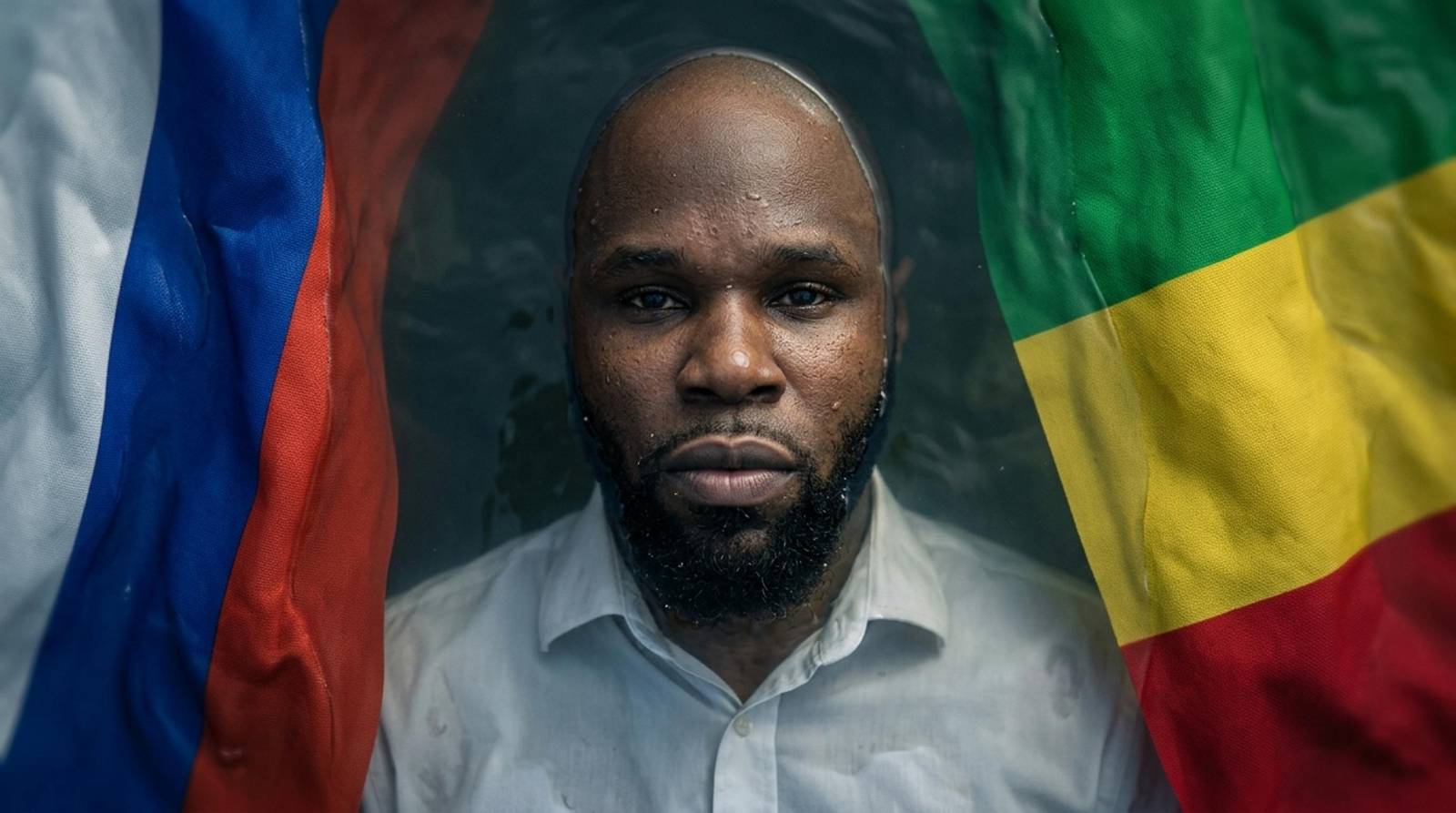
Amid the turmoil, the transformation of Kemi Seba’s rhetoric stands out. Once a vocal advocate for Russian influence in Africa, he now dismisses Moscow’s presence as a purely transactional arrangement. But this shift wasn’t born overnight—it’s the result of a gradual unraveling.
Seba’s forced relocation to South Africa after his arrest marked a turning point. Exiled from the Sahel, his perspective shifted from idealism to disillusionment. Today, his denunciation of Russia’s extractive priorities—prioritizing mineral resources over regional stability—reflects a clean break from his former alignment. The so-called liberator of yesterday now sees Moscow’s agenda for what it truly is: a partnership driven by self-interest.
the AES alliance grapples with hard truths
The unease extends beyond Seba’s personal journey. For Burkina Faso and Niger, the events in Mali serve as a cautionary tale. The allure of an Eastern alternative is colliding with a brutal reality: insecurity is worsening, and the cost of foreign support is eroding sovereignty.
The Sahel’s future hangs in the balance. With a Russian partner fixated on its own gains and media voices adapting their narratives to suit personal circumstances, the people of the region are left waiting—for real solutions, not just rhetoric.