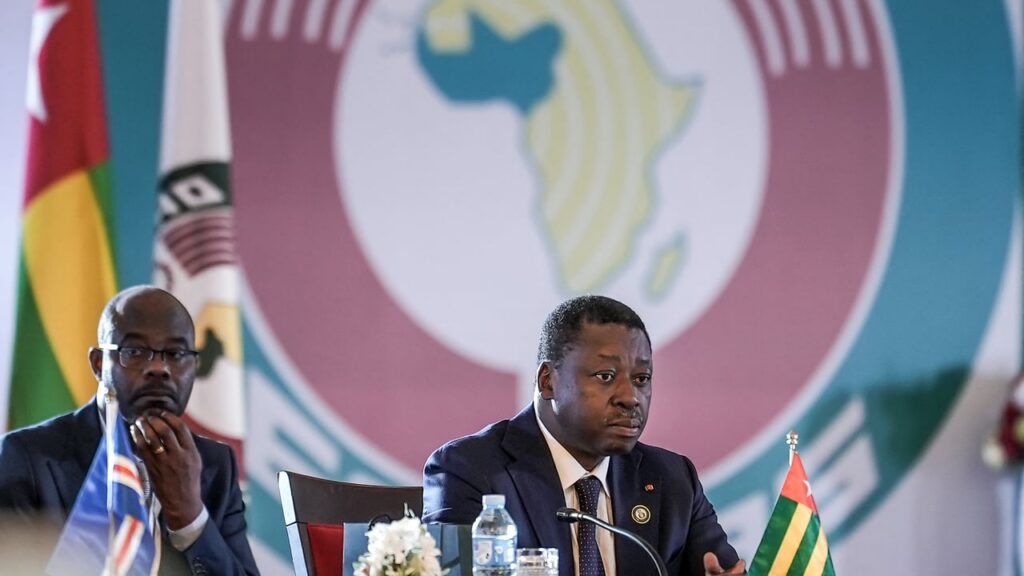

In a bold move that underscores growing regional scrutiny, 43 African civil society organizations have formally escalated their opposition to constitutional reforms proposed by Togo’s President Faure Gnassingbé. The coalition has filed urgent petitions with both the Economic Community of West African States (ECOWAS) and the African Union (AU), demanding immediate intervention to block the amendments.
Why the constitutional changes spark controversy
The proposed amendments, which seek to extend executive powers and potentially prolong presidential mandates, have ignited fierce debate across Togo and beyond. Critics argue the reforms threaten democratic stability and undermine constitutional safeguards designed to prevent authoritarian drift. Civil society leaders contend that the changes create a dangerous precedent for governance in West Africa, where term limits have been a focal point of recent political tensions.
Legal and regional pressure mounts
The petitions filed with ECOWAS and the African Union highlight concerns over the transparency and inclusivity of the reform process. Activists claim that key stakeholders, including opposition groups and civil society, were excluded from meaningful consultations. The organizations are urging both regional bodies to prioritize constitutional integrity and uphold democratic norms by rejecting the amendments.
The intervention comes at a critical juncture, as Togo prepares for a pivotal period in its political calendar. The outcome of these petitions could set a precedent for how similar constitutional crises are addressed across the continent.
Civil society’s role in shaping Africa’s democratic future
This coalition of 43 organizations represents a cross-section of Africa’s vibrant civil society, from human rights defenders to governance watchdogs. Their coordinated push reflects a broader trend of grassroots activism challenging entrenched political power structures. By taking their case to regional institutions, they are leveraging continental mechanisms to hold governments accountable and promote democratic resilience in West Africa.
The petitions underscore a growing expectation that regional bodies like ECOWAS and the African Union must play a more assertive role in safeguarding democratic processes across the continent. As the debate unfolds, the world will be watching to see whether these institutions will act decisively to protect constitutional order in Togo and beyond.