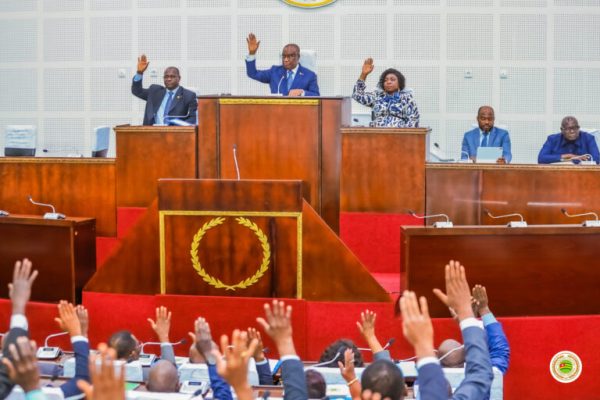
LOMÉ, JUNE 10, 2026 — The Togolese National Assembly has approved four critical bills aimed at bolstering nuclear safety and radiological risk management. The landmark decision, reached during the third plenary session of the first ordinary session of the year, represents a pivotal move toward aligning national legislation with global standards.
Under the leadership of Assembly President H.E. Prof. Komi Selom Klassou, the session welcomed Robert Koffi Messan Eklo, Deputy Minister of Energy. Lawmakers endorsed the texts in their first reading, enabling Togo’s accession to four international conventions: the Vienna Convention on Nuclear Safety (1994), the Joint Convention on the Safety of Spent Fuel Management and Radioactive Waste Disposal (1997), the Convention on Early Notification of a Nuclear Accident (1986), and the Convention on Assistance in the Case of a Nuclear Accident or Radiological Emergency (1986).

Four treaties strengthen Togo’s multilateral nuclear safety framework
Aklesso Atcholi, President of the UNIR party, emphasized the dual nature of nuclear energy: « Nuclear power holds immense potential for sectors like electricity generation, healthcare, industry, agriculture, and livestock. Yet, its safe and responsible use is non-negotiable for safeguarding lives, assets, and ecosystems. »
While radiologic technologies unlock transformative opportunities—from advanced medical treatments to precision farming—their environmental and health risks demand unyielding vigilance. By ratifying these conventions, Togo not only fortifies its domestic preparedness but also gains access to international cooperation mechanisms, ensuring real-time information exchange and mutual aid during crises.
Deputy Minister Eklo reinforced this vision: « These bills reflect a commitment to progress without compromise. We are embracing tomorrow’s energy while upholding the highest safety standards. Ratifying these treaties sends a clear message: Togo is a modern, accountable, and meticulous state. »
Balancing technological advancement with public safety
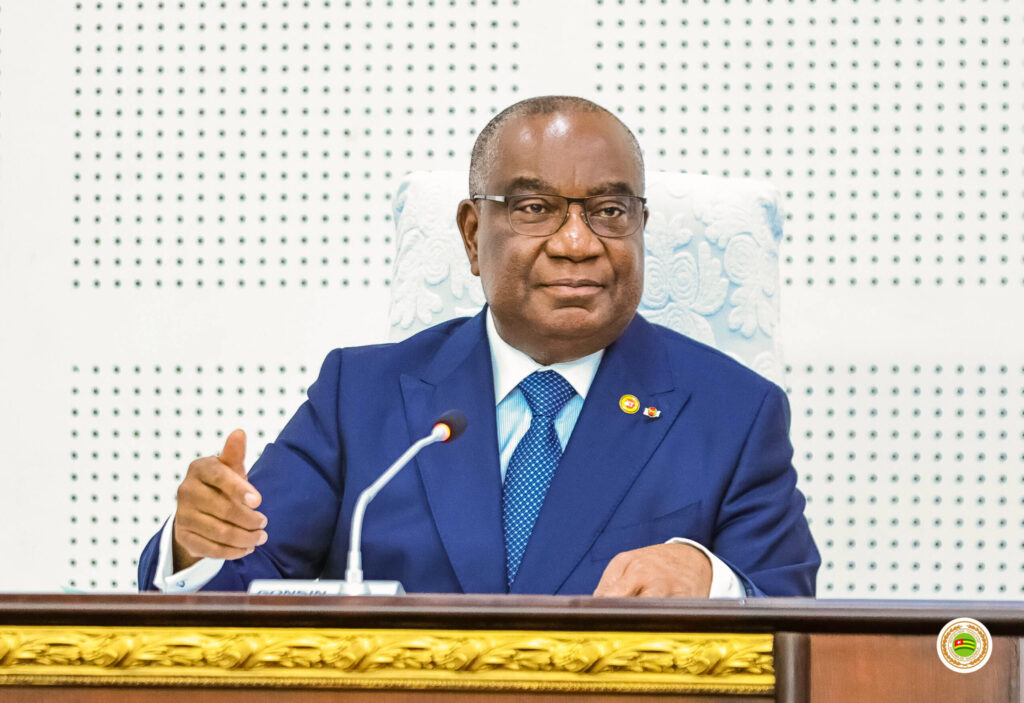
Assembly President Prof. Komi Selom Klassou framed the reform as a collective responsibility in tackling transboundary crises. « History’s lessons, particularly from Chernobyl, remind us that no nation can face such risks in isolation, » he noted, advocating for a unified global approach to protection and diplomacy.
In line with Togolese parliamentary procedures, the four bills will now proceed to the Senate for review in identical terms. Upon approval and subsequent enactment, Togo will cement its institutional evolution, intertwining technological progress with an unwavering commitment to public safety.