Morocco’s rise as a global leader under the visionary guidance of King Mohammed VI
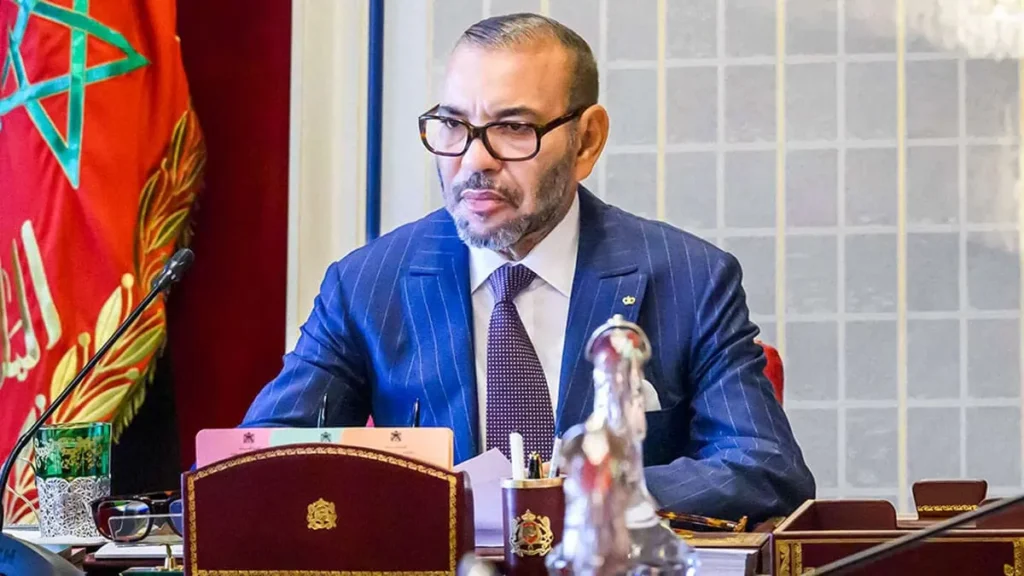
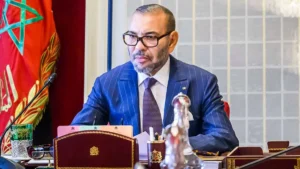
Morocco has firmly established itself as a key political, economic, and social player not only across Africa and the Arab world but also in the Mediterranean region and on the global stage. This transformation reflects the nation’s steady progress toward modernization under the enlightened leadership of His Majesty King Mohammed VI, according to Anissa Saysay, a German-Moroccan politician and member of the Christian Democratic Union (CDU).
In her remarks ahead of Throne Day celebrations, Saysay highlighted that Morocco’s journey toward stability and modernity is rooted in a long-term vision focused on infrastructure development and economic independence. The Kingdom’s strategic investments in high-speed rail, advanced ports, cutting-edge industrial zones, and thriving automotive and aerospace sectors underscore its commitment to shaping a prosperous future.
Saysay also emphasized Morocco’s unique role as a bridge between Europe, Africa, and the Arab world, leveraging its strategic geography and cultural ties to strengthen its global standing. The Kingdom’s leadership in renewable energy further solidifies its position as a pioneer in Africa and a vital partner for Europe in the transition toward sustainable solutions.
On the social front, Morocco has made significant strides in healthcare, education, and gender equality, earning international recognition for its progressive policies. German-Moroccan relations have flourished in tandem, with both nations benefiting from a robust partnership built on shared technological, industrial, and environmental goals.
Saysay underscored the importance of a mutually respectful and equal partnership, where binational communities play a pivotal role in fostering investments, knowledge exchange, and cross-border collaborations. She described these individuals as catalysts for progress, blending German institutional expertise with Moroccan dynamism, creativity, and regional networks.
Throne Day, she noted, is more than a national holiday—it symbolizes the enduring connection between Moroccans abroad and their homeland, celebrating the Kingdom’s achievements and collective identity.