Senegal’s prime minister rejects western pressure on homosexuality law
Senegal’s parliament approved in early March a controversial bill doubling penalties for same-sex relationships, increasing prison sentences from five to ten years. The law was signed into force by President Bassirou Diomaye Faye on March 31.
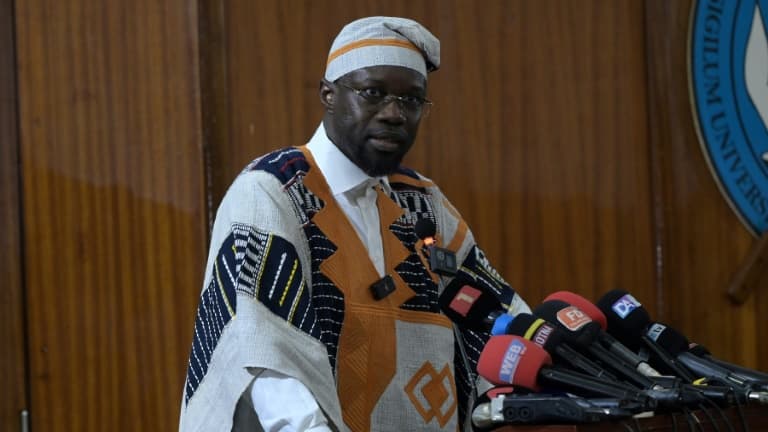
In a blunt address to lawmakers on May 22, Prime Minister Ousmane Sonko forcefully rejected mounting criticism from Western nations over the legislation, labeling their stance as “a tyranny” aimed at “imposing homosexuality on the rest of the world.”
The new law comes amid a sharp rise in anti-LGBTQ+ sentiment in Senegal and a spate of arrests targeting suspected homosexual activity.
Prime Minister Sonko: “Western nations have no right to dictate our values”
“There is a kind of tyranny at play,” Sonko declared. “We are eight billion people on Earth, yet a small group—call it the West—where the debate is far from settled, uses its financial power and control over global media to force its views on everyone else. On what authority? We will not accept lessons from any nation.”
He went on to say, “If they have chosen these practices, that is their concern. But we owe them no explanations, absolutely none.” His comments were widely seen as a direct response to condemnations from several European capitals, particularly Paris.
“While Western powers attempt to impose their agenda, not a single Asian, African, or Arab country has criticized us,” Sonko added. “If this law needs to be strengthened further, it will be.”
He emphasized that the justice system must apply the legislation “fully, impartially, and rigorously”, stating that its primary goal is “to halt the spread of homosexuality.”
No room for compromise: Senegal stands firm
Sonko categorically dismissed calls for a moratorium on enforcing the law, a plea made in a mid-May op-ed by a group of thirty prominent figures of African descent, published in a French newspaper.
The authors of the op-ed warned of a “climate of fear, hatred, and violence” gripping Senegal since the bill became law. They urged a pause in enforcement to prevent further persecution.
“There will be no moratorium,” Sonko responded. “Some of our own elites are burdened by complexes.”
In Senegal, same-sex relations are widely condemned as a moral transgression. The government’s crackdown on LGBTQ+ individuals has been a longstanding political priority, resonating strongly with the country’s predominantly conservative Muslim population.