Senegal is making a decisive leap to secure its oilseed future. After a decade of stagnation, the palm oil sector is set for a dramatic transformation following a landmark partnership with Indonesia, the world’s top producer.
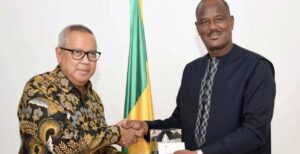
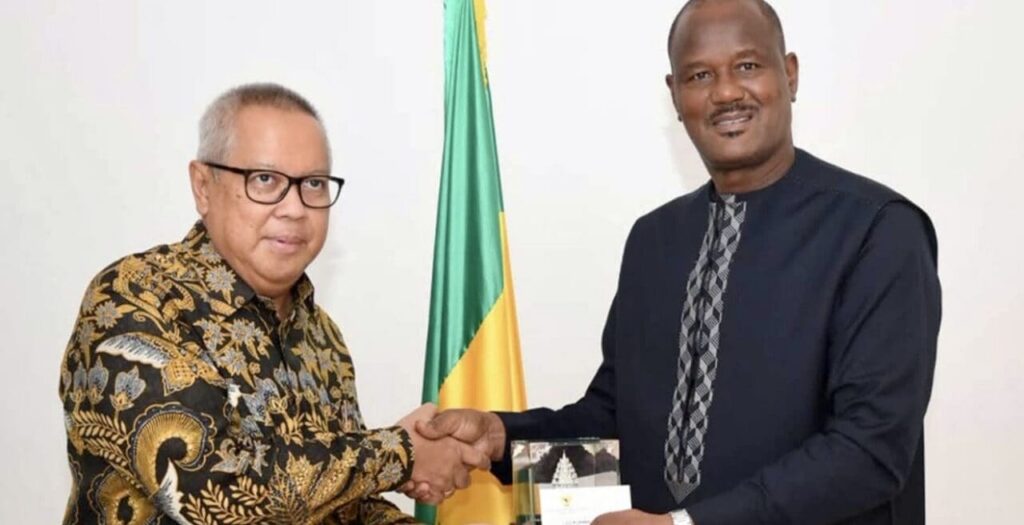
The turning point came during a private meeting in Dakar on September 11th, when Senegal’s Ministry of Agriculture, Food Sovereignty and Livestock (MASAE) unveiled an ambitious plan to develop 60,000 hectares of oil palm plantations across central and southern regions. This initiative would quintuple the country’s current cultivation area, marking the most significant expansion in Senegal’s palm oil history.
A joint technical working group has been established to advance the project’s next phases, though specific timelines and financial arrangements remain under wraps for now.
From stagnation to surge: The state of Senegal’s palm oil sector
The urgency behind this initiative becomes clear when examining the sector’s decade-long decline. According to FAO data, oil palm cultivation in Senegal has never exceeded 12,000 hectares between 2015 and 2024, hovering around 11,800 hectares. This stagnation has directly impacted industrial production, which has remained frozen at approximately 14,000 tons annually during the same period.
With domestic demand continuing to rise, Senegal has been forced to import massive quantities of palm oil. Between 2015 and 2024, the country purchased an average of 148,100 tons of palm oil annually from international markets, peaking at 195,937 tons in 2017. The financial burden has been substantial, with annual import costs reaching an average of $108 million and spiking to $172 million in 2020. This heavy reliance on imports has become a key target in Senegal’s food sovereignty strategy.
Why Indonesia? The strategic advantages of Africa’s new partner
The choice of Indonesia as a partner is far from arbitrary. With an estimated production of 46.7 million tons for the 2025/2026 season, according to the USDA, Indonesia dominates global palm oil production and export markets. This leadership stems from decades of expertise in variety selection, plantation management and industrial processing.
For Senegal, the collaboration represents more than just acreage expansion. The primary objective is to absorb Indonesia’s technical knowledge through technology transfer and local capacity building, essential components for establishing a productive and well-structured industry.
Lessons from the continent: How other African nations leveraged Indonesian expertise
Senegal isn’t blazing a new trail. Several African countries have already implemented similar partnerships with Jakarta. Tanzania signed a cooperation agreement with the Indonesian Palm Oil Association (GAPKI) in 2025, covering training programs, technical support and skills transfer. Meanwhile, Nigeria—the continent’s top palm oil producer—concluded a 2024 agreement between local producers and GAPKI, focusing on knowledge sharing and technology transfer to boost productivity.
As Senegal prepares to implement its own initiative, the question remains: can Dakar successfully build on these foundations where others have laid the groundwork?