Minister Massamba charts Gabon’s decisive course toward sustainable fishing deal with EU
The Gabonese government has made a strategic move, positioning itself at a turning point in its maritime relations. On September 18, 2026, the Council of Ministers endorsed negotiations for a new Sustainable Fisheries Partnership Agreement (SFPA) with the European Union—one that promises balance, transparency, and mutual gain while safeguarding Gabon’s marine sovereignty.
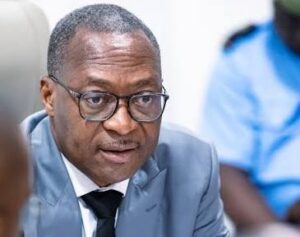
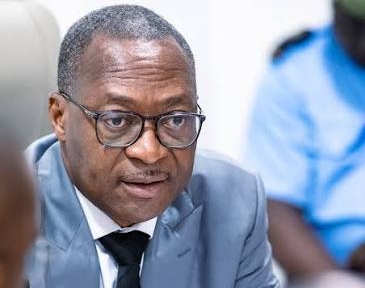
Led by Aimé Martial Massamba, Minister of Fisheries, the Sea, and Blue Economy, the nation is preparing for high-stakes talks aimed at replacing the contentious 2021 protocol. That agreement, which expired in June 2026, allowed up to 33 EU vessels to fish for tuna in Gabonese waters in exchange for financial compensation totaling €1.6 million annually, plus contributions from shipowners.
From confrontation to collaboration: reshaping Gabon’s fishing future
Gabon’s decision to renegotiate marks a clear departure from the previous framework, which Libreville deemed unequitable and disadvantageous. The government emphasized that the old accord did little to enhance local value addition or strengthen Gabon’s control over its marine resources.
Since Gabon terminated the agreement in June 2025, both sides have signaled readiness for dialogue. By June 2026, the EU had expressed openness to a next-generation partnership, acknowledging Gabon’s concerns and paving the way for constructive negotiations. This shift reflects a broader goal: fostering cooperation that respects Gabonese interests and advances sustainable development.
Sovereignty, sustainability, and security: the pillars of the new deal
The Gabonese delegation, now empowered to negotiate, has outlined its priorities under three core principles:
- Sovereignty in marine resource management: Ensuring Gabon maintains full jurisdiction over its fisheries and sets its own exploitation rules.
- Combating illegal fishing: Strengthening monitoring and enforcement to eliminate Illegal, Unreported, and Unregulated (IUU) activities threatening Gabonese waters.
- Blue economy growth: Promoting investment in local processing, job creation, and sustainable maritime industries.
The EU has reciprocated with a willingness to engage in discussions that prioritize fairness over confrontation. As noted by the EU Ambassador to Gabon in an earlier statement: “Our goal is to sit down, address each point swiftly and effectively, and build a partnership based on trust and shared benefits.”
What’s next? Timelines and expectations
The roadmap has been set. Gabon has officially notified the EU of its position and established a dedicated national negotiation team. A phased schedule of negotiation rounds is underway, with the aim of finalizing a revised protocol that reflects Gabon’s vision of equitable, transparent, and sustainable fisheries cooperation.
With the previous model discarded and a clear mandate in place, Gabon is no longer negotiating from weakness—it is asserting its maritime future. The upcoming partnership could redefine the nation’s role in the global fishing industry while protecting its sovereignty and economic interests for decades to come.