Senegal’s 2026 revised budget finally gains traction after opposition pressure
After days of public criticism and behind-the-scenes political maneuvering, the Senegalese government has officially submitted its 2026 Revised Finance Bill to lawmakers, breaking through months of stalemate. The long-awaited move comes three days past the deadline set by Prime Minister Ahmadou Al Aminou Lô and amid sharp scrutiny from opposition leaders.
The final push: how political pressure unlocked the 2026 budget impasse
The Revised Finance Bill (LFR) for 2026 was officially lodged with the National Assembly on Friday, September 18, 2026, following intense political pressure. The Prime Minister had instructed Finance Minister Cheikh Diba to meet the September 15 deadline during a Council of Ministers meeting on September 10. However, the submission did not occur as planned, sparking public debate and raising concerns over procedural delays.
The Assembly’s Secretary General confirmed receipt of the bill in the afternoon, accompanied by a presidential letter and a decree authorizing its introduction to lawmakers by the Finance Minister. This move brings an end to weeks of speculation and clears the path for parliamentary debate on one of the most critical fiscal documents in recent Senegalese history.
From delay to delivery: what changed the game?
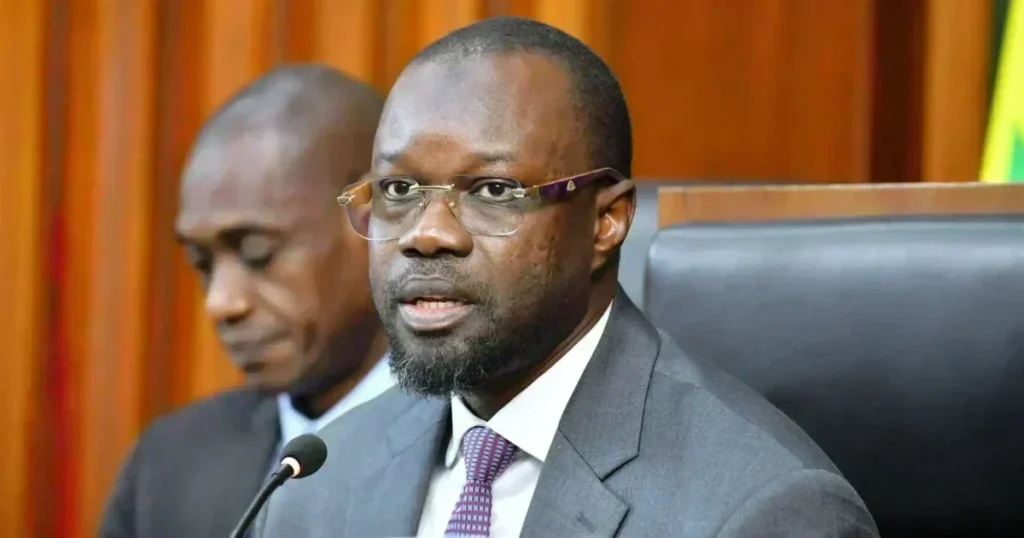
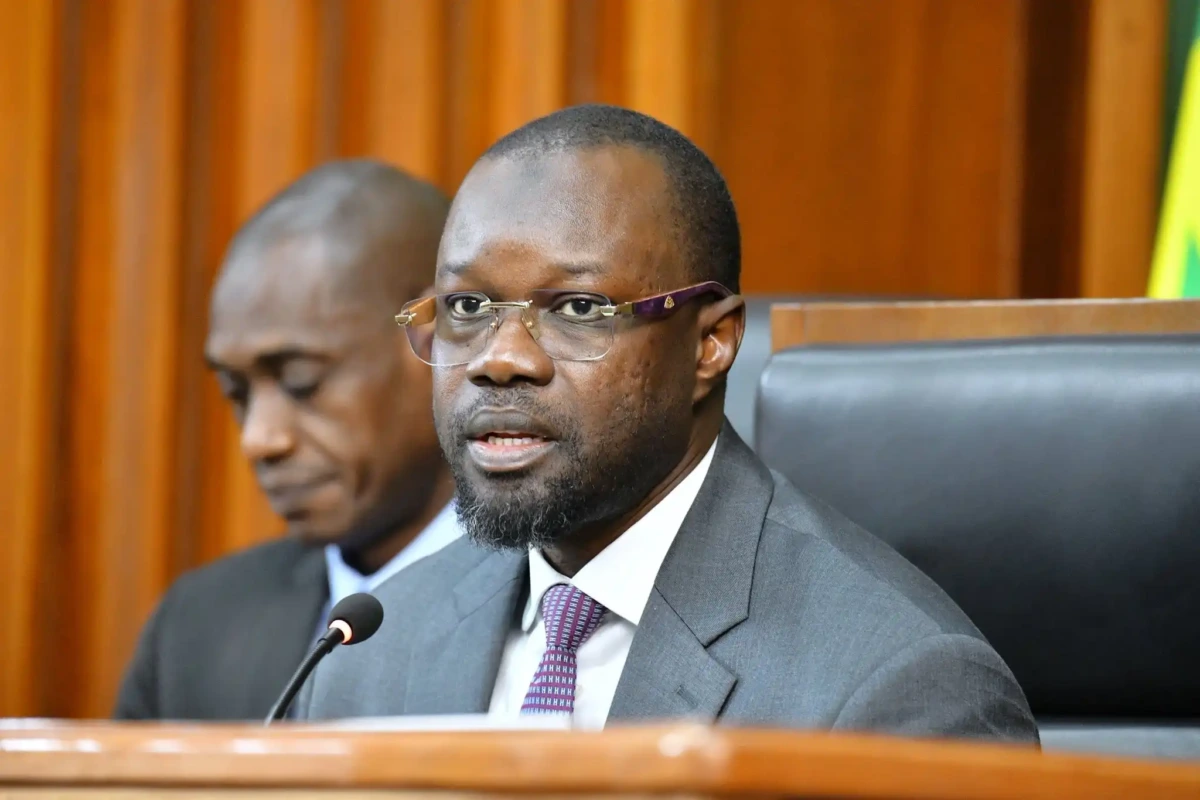
The government’s delayed submission had triggered sharp rebukes from opposition figures, most notably Assembly President Ousmane Sonko, who publicly questioned the absence of any formal notification. His comments, made on the same day the bill was delivered, underscored rising tensions over fiscal governance and legislative transparency.
The newly issued presidential decree—number 2026-1645—replaces an earlier one (2026-1236 from June 29, 2026), signaling a reset in the legislative process. Under the new framework, the Finance Minister is tasked with presenting the bill and defending its provisions before lawmakers. The decree also assigns implementation roles to the Finance and Communication ministers, with final publication scheduled in the Official Gazette. It was signed in Dakar on September 18 by President Bassirou Diomaye Faye and countersigned by the Prime Minister.
This long-overdue delivery marks a pivotal moment in Senegal’s economic recovery efforts, particularly as the nation faces mounting fiscal challenges and renewed commitments to international partners. The government now faces an even tighter timeline: a draft 2027 Budget Bill must be submitted for Council of Ministers review by the end of September—a deadline that will be closely watched after this latest episode.
Next steps: what to expect as debate begins
With the Revised Finance Bill now in the Assembly, lawmakers are set to begin detailed examination of the proposed adjustments to public spending and revenue forecasts. The stakes are high: with public finances under pressure and trust in fiscal institutions being tested, every clause of the bill will undergo intense scrutiny.
The bill’s content remains under wraps, but early indications suggest it addresses significant shortfalls in projected revenue and targets key sectors for reallocation. As the Assembly prepares to convene, all eyes are on whether the government can defend its financial strategy and secure the necessary support to restore confidence in Senegal’s economic direction.