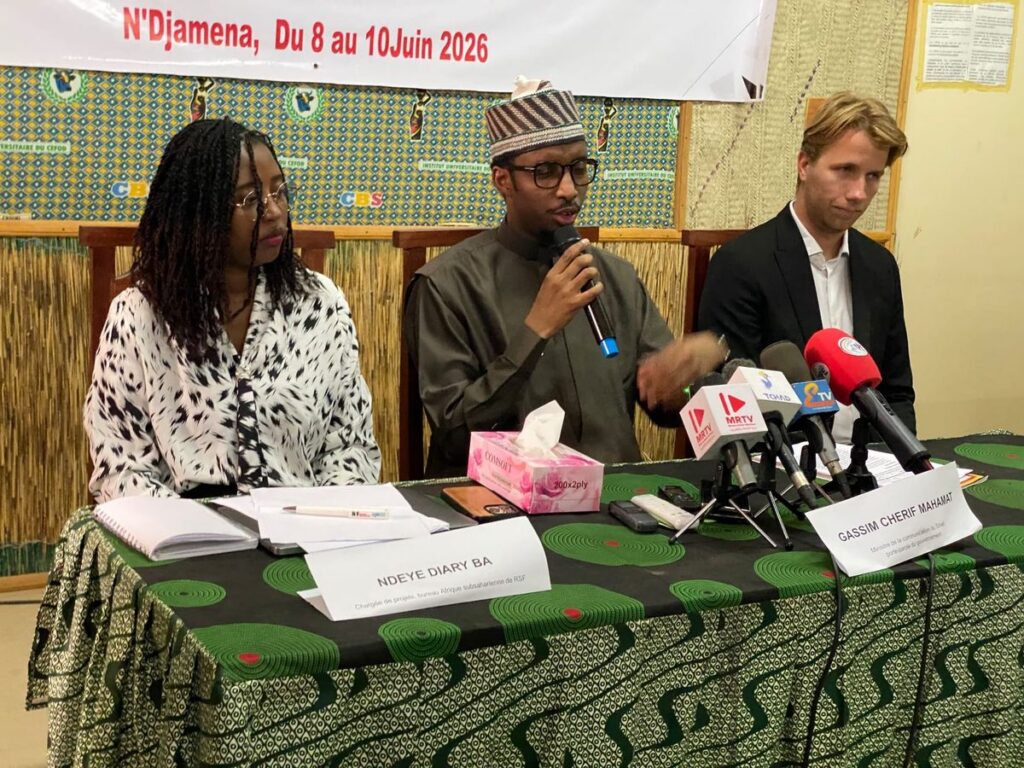
Investigative reporters from the Sahel are rallying in N’Djamena to tackle a pressing question: how can journalists covering environmental issues stay safe in high-risk zones? A regional gathering of nearly two dozen media professionals from Mali, Niger, Burkina Faso, and Chad convened on June 8 to address the growing threats faced by reporters in the field.
Building resilience against threats and legal challenges
The workshop, hosted at the Centre d’Études et de Formation pour le Développement (CEFOD), is spearheaded by an international media freedom organization. Its primary goal is twofold: equipping environmental journalists with legal safeguards and operational tools to mitigate risks. Sessions will cover critical topics such as digital and physical security, navigating legal frameworks, and overcoming obstacles unique to environmental reporting.
A high-level call for safer journalism
The event’s opening ceremony was led by the Minister of Communication and government spokesperson for Chad, Gassim Chérif Mahamat. In his address, he underscored the vital role of the press in raising public awareness about environmental crises and urged stakeholders to foster conditions that protect journalists’ ability to work freely and safely.
Regional collaboration to address shared threats
Participants will engage in in-depth discussions, drawing on their collective experiences to identify best practices. The exchange aims to highlight common challenges—such as climate-induced displacement, resource scarcity, and ongoing insecurity—and brainstorm solutions tailored to the Sahel’s unique context.
Why this matters now
With climate change intensifying pressure on natural resources and communities, environmental journalists are on the front lines of reporting critical stories. Yet, in the Sahel, these reporters face heightened risks, from legal harassment to physical threats. This workshop seeks to bridge knowledge gaps and empower journalists to operate with greater confidence and protection.
Over the coming days, the discussions will culminate in actionable recommendations designed to enhance safety protocols and advocate for stronger legal protections across the region.