In a turn of events that is as strategically damaging as it is symbolically heavy, Russian mercenaries from the Africa Corps—the 2025 successor to the Wagner Group—have retreated from Kidal in northeastern Mali. This withdrawal, which took place on Sunday, April 26, saw the Kremlin-aligned forces abandon their positions under intense pressure from the GSIM (Group for the Support of Islam and Muslims) and their Tuareg rebel allies, the FLA (Azawad Liberation Front).
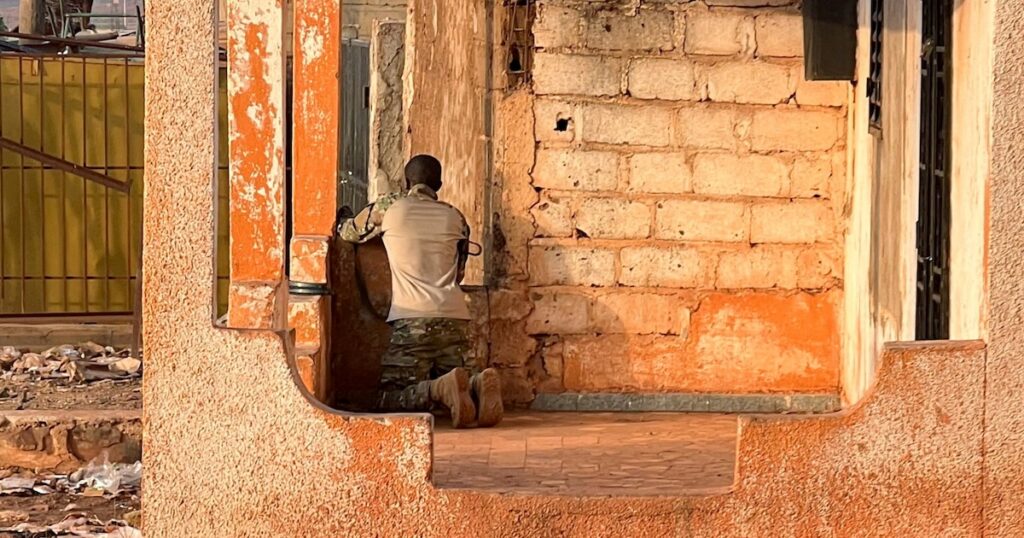
Footage circulating on social media depicts a chaotic exit, with disarmed mercenaries fleeing in trucks and leaving behind significant military assets, including dozens of armored vehicles and helicopters. While the Africa Corps retreated, several Malian soldiers were reportedly taken captive following brief skirmishes.
A reversal of fortunes in Kidal
The loss of Kidal is particularly stinging for the Malian junta and its Russian partners. Only eighteen months ago, in November 2023, the Wagner Group had triumphantly seized the city, a historic Tuareg stronghold, marking what was considered the only major strategic victory for Russian forces since their arrival in Mali in 2021. The recent confirmation by Africa Corps that they have vacated the northern city represents a total collapse of that earlier progress.
The retreat is part of a broader, synchronized offensive launched by GSIM, an Al-Qaeda affiliate, and the FLA. These groups have struck strategic locations across the nation, reaching as far as the outskirts of the capital, Bamako, as well as the military hub of Kati and the former UN base in Gao.
Escalating violence and ineffective partnerships
Since the 2021 coup that brought the current military junta to power, Mali has struggled against a growing insurgency. By 2025, the region had become a global center for terrorist activity. Despite the junta’s reliance on Russian paramilitary groups—first Wagner and now Africa Corps—the security situation has deteriorated. Reports indicate that the presence of these mercenaries has been linked to a rise in human rights violations and sexual violence against the civilian population.
Military analysts suggest that the Russian forces have long proven ineffective in counter-terrorism roles. The recent coordinated strikes across at least six cities underscore the vulnerability of the Malian state despite its foreign military alliances.
Political instability and claims of betrayal
The violence hit the heart of the administration this weekend when a bombing in Kati destroyed the residence of Defense Minister Sadio Camara, resulting in his death. In Bamako, GSIM fighters were reportedly seen entering the city with little to no opposition from local security forces.
While President Assimi Goïta has publicly stated that the situation is “under control” and vowed to neutralize the attackers, internal dissent is brewing. Some Malian military officers have expressed a sense of betrayal, suggesting that the Africa Corps may have negotiated their departure from Kidal days in advance without informing their local counterparts. There are fears that the Russian withdrawal from other northern outposts could leave the Malian army even more exposed.
In Moscow, Kremlin officials have avoided confirming whether the Africa Corps can regain control, though they claimed their presence prevented a full-scale coup attempt by the rebel and jihadist coalition.