improving Mali’s health system: strategies to expand care access
Addressing inequities in medical services for vulnerable populations through targeted government initiatives
The Malian healthcare system faces significant challenges in providing equitable medical services, particularly for vulnerable groups. The 2012 security crisis exacerbated these issues, leaving many citizens—especially young children, pregnant women, and war-wounded individuals—struggling to access essential care.
In response, Malian authorities have prioritized health sector reforms despite ongoing security threats. A key initiative is the launch of the first National Health Month, combined with expanded social protection programs, designed to enhance healthcare accessibility across the country.
“Improving population health remains a government priority. I commend Minister Diéminatou Sangaré for this initiative, which will create a communication framework and foster exchanges with healthcare stakeholders and beneficiaries. This will help clarify everyone’s roles and responsibilities in strengthening our health system,” stated Colonel Abdoulaye Maïga, Mali’s interim Prime Minister, during the program’s launch.
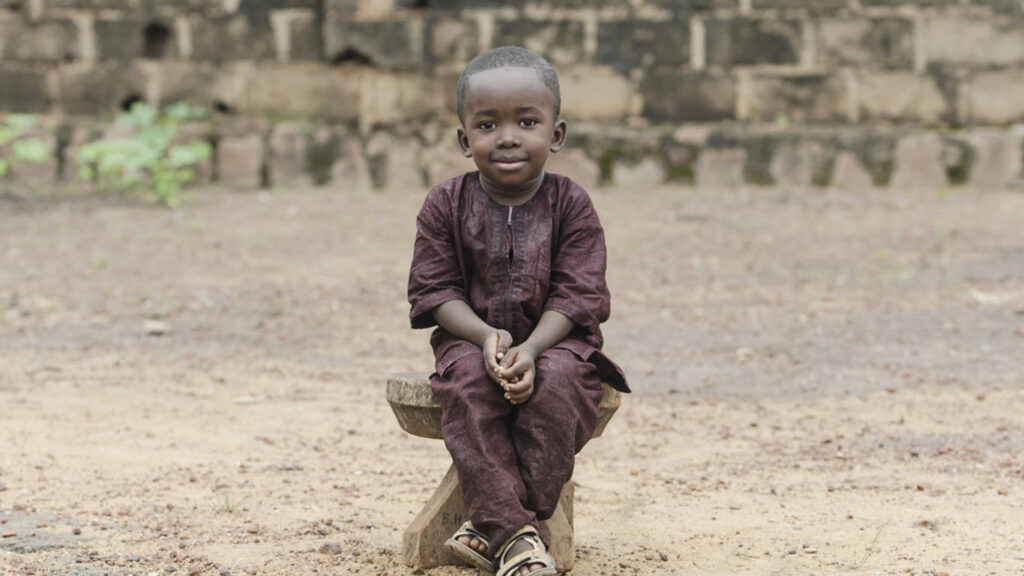
child health: a critical focus area
The timing of this initiative couldn’t be more crucial. Despite efforts to reduce preventable deaths and diseases, key health indicators remain alarming:
- Infant mortality: 54 deaths per 1,000 live births
- Births outside healthcare facilities: 33% of deliveries occur without skilled attendance
- Child vaccination coverage: Only 45% of children aged 12-23 months receive all basic vaccinations
- Child nutrition: 1 in 3 children under 5 suffers from stunted growth; only 40% of infants under 6 months receive exclusive breastfeeding
These challenges are compounded by widespread lack of awareness about healthcare systems and social protection mechanisms, further hindering access to essential services.